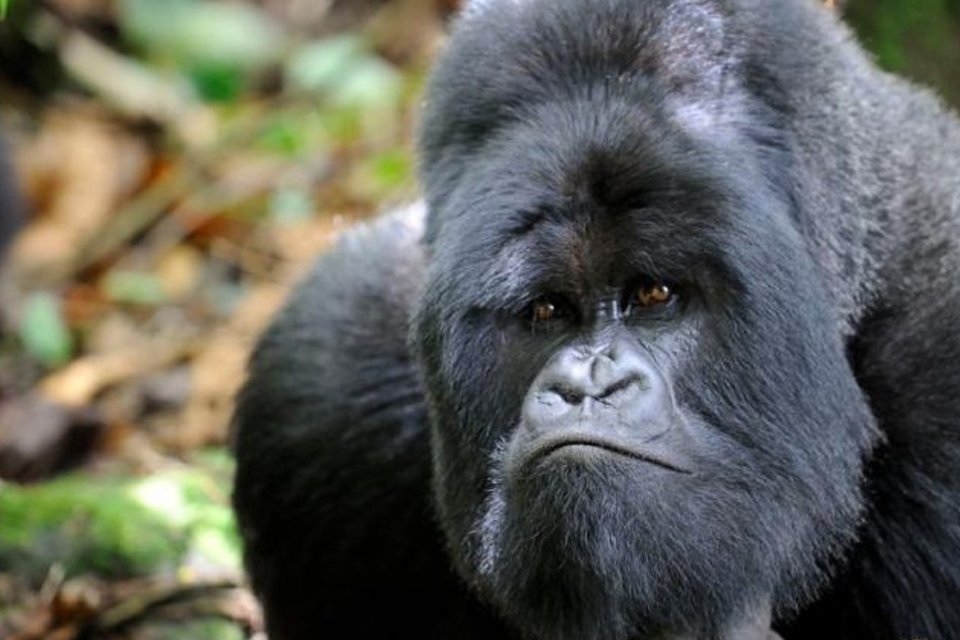
Gorilla trekking is one of the most rewarding wildlife experiences in Africa, but it also requires physical readiness, especially for treks in Bwindi, which is known for steep, rugged terrain and thick vegetation. Preparing physically ensures you enjoy the journey and remain comfortable and confident on trek day. Since gorilla trekking in Uganda can last anywhere from one to eight hours depending on the gorilla family’s movement, building endurance is crucial. Begin with regular cardio training—walking, hiking, running, or cycling—at least four to six weeks before your trip. Aim for sessions lasting 45 minutes to one hour to build stamina and lung capacity.
Strength training is equally important because the forest terrain involves climbing, descending, and maneuvering around roots, vines, and uneven hillsides. Exercises like squats, lunges, stair-climbing, and step-ups help strengthen your legs. Core strength is vital for balance, especially when navigating muddy or slippery sections of the forest. Travelers should also improve flexibility through stretching, yoga, or light mobility routines to reduce the risk of strains or fatigue.
Altitude readiness matters because both Uganda and Rwanda’s gorilla parks sit at elevations between 2,000–3,000 meters. At this altitude, the air is thinner, and exertion feels more intense. To acclimatize, engage in moderate hiking before your trip and avoid rushing during the trek. The guides always maintain a steady pace and allow plenty of breaks. Essential trekking tips include staying hydrated, using a walking stick (provided at the briefing point), hiring a porter to help carry your backpack, and wearing proper boots for ankle support.
With good preparation, gorilla safaris in Uganda are manageable for most travelers, including seniors. The key is early training, strength building, and a positive mindset. Being fit enhances your experience and ensures you reach the gorillas comfortably.