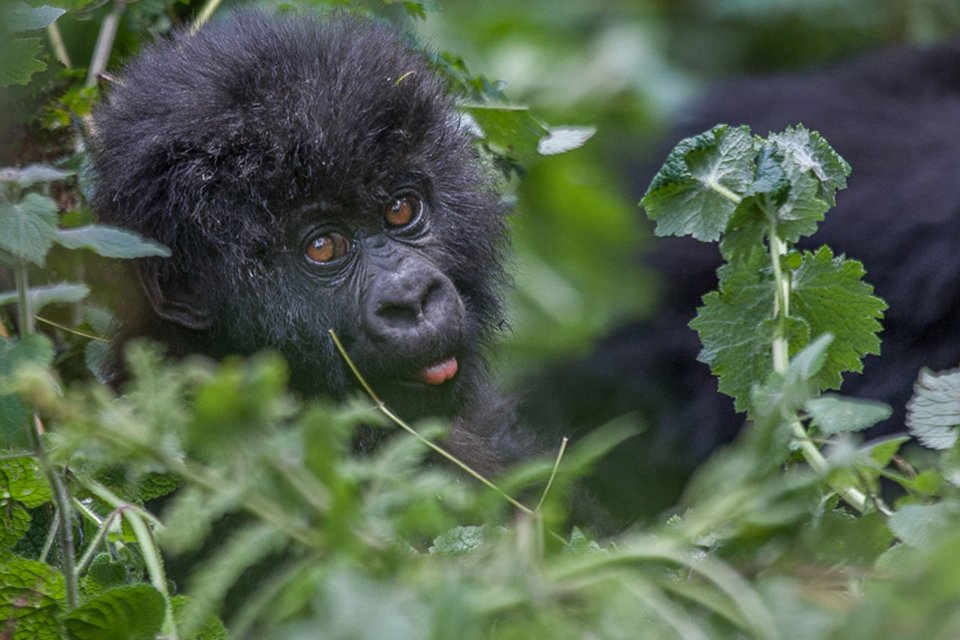
Gorilla trekking in Bwindi Impenetrable National Park is carefully regulated to protect the health, behavior, and survival of mountain gorillas.
For anyone planning uganda gorilla trekking, understanding and respecting these rules is essential for a safe and ethical experience.
These regulations were developed through years of conservation research.
They ensure that gorilla trekking in Uganda remains sustainable while still allowing visitors to enjoy meaningful wildlife encounters.
Group Size Limits and Visitor Control
One of the most important regulations concerns group size.
Each habituated gorilla family may only be visited by a maximum of eight people per day.
This limit reduces stress on the gorillas and minimizes disruption to their natural routines.
At the same time, visitors benefit from a quieter, more intimate gorilla trekking in Uganda experience.
Health Requirements and Disease Prevention
Health screening is strictly enforced before any trek begins.
Visitors showing flu-like symptoms or illness are not permitted to participate.
Because gorillas share much of their DNA with humans, diseases can be easily transmitted.
This rule is therefore a critical pillar of uganda gorilla trekking conservation efforts.
Maintaining Distance from Gorillas
During encounters, visitors must maintain a minimum distance of approximately seven meters from the gorillas.
This distance reduces stress and lowers the risk of disease transmission.
Although gorillas may occasionally approach on their own, visitors are required to remain calm and still.
Following ranger instructions is essential for responsible gorilla trekking in Uganda.
Time Limits with Gorilla Families
Time spent with each gorilla family is strictly limited to one hour.
This rule ensures that gorillas are not overwhelmed by prolonged human presence.
While one hour may feel brief, the encounter is often emotionally intense.
Limiting time helps preserve natural behavior while sustaining high-quality uganda gorilla trekking experiences.
Photography and Noise Regulations
Photography is permitted, but strict rules apply.
Flash photography is prohibited because it can frighten gorillas and alter their behavior.
Visitors are encouraged to use appropriate camera settings for low-light forest conditions.
Keeping noise to a minimum is essential during photography and observation.
Expected Behavior During Gorilla Encounters
Visitor behavior is carefully regulated throughout the trek.
Speaking quietly, avoiding direct eye contact, and never touching gorillas are mandatory rules.
Eating, drinking, or smoking near gorillas is not allowed.
These measures maintain a calm environment and reduce any perception of threat during uganda gorilla trekking.
Ranger Authority and Trail Rules
Visitors must remain with their assigned ranger group at all times.
Straying from designated trails can damage vegetation and increase safety risks.
Rangers are trained to interpret gorilla behavior and forest conditions.
Their instructions must be followed to ensure a safe gorilla trekking in Uganda experience.
Waste Management and Environmental Protection
All waste must be carried out of the forest.
This includes food packaging and personal items brought in by visitors.
Human waste is managed using guidelines provided by rangers.
Maintaining a clean environment protects Bwindi’s fragile ecosystem.
Age Restrictions for Gorilla Trekking
Only visitors aged 15 years and above are permitted to trek gorillas in Bwindi.
This restriction ensures participants can follow instructions and manage physical demands responsibly.
Gorilla trekking in Uganda requires maturity, awareness, and respect for wildlife.
Conclusion: Responsible Gorilla Trekking in Uganda
These rules form the foundation of ethical gorilla trekking in Uganda.
They balance tourism with conservation and safeguard mountain gorillas for future generations.
By understanding and respecting Bwindi’s regulations, visitors actively contribute to conservation success.
Uganda gorilla trekking is not just an adventure but a shared responsibility rooted in respect and sustainability.