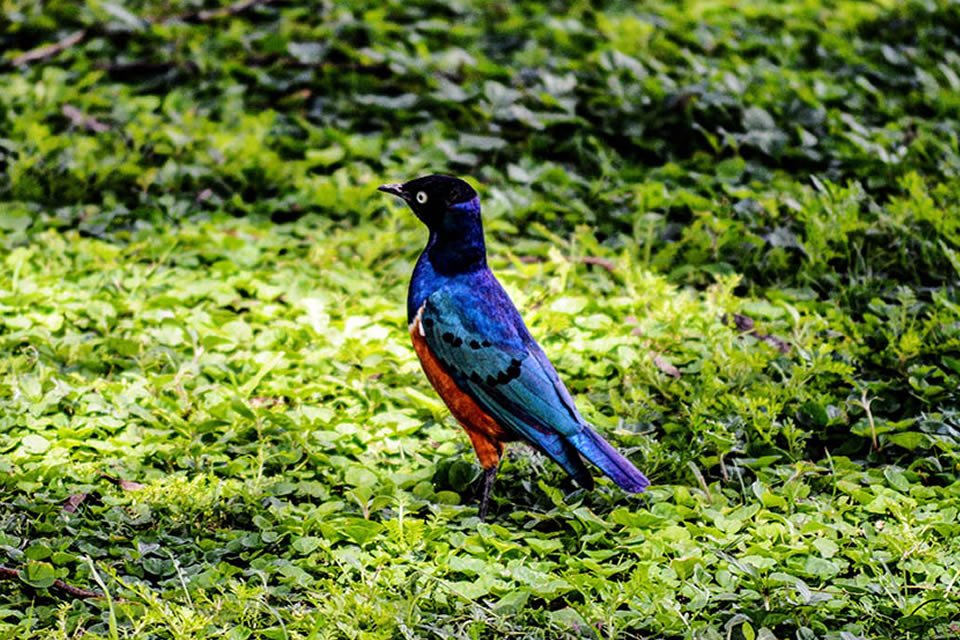
Birding Photography Guide in Akagera
When planning Rwanda safaris, bird enthusiasts and photographers often find that birding in Rwanda reaches its pinnacle within the diverse ecosystems of Akagera National Park. Unlike the dense, high-altitude forests typically associated with gorilla trekking, a safari in Rwanda‘s only savannah park offers open landscapes that are a dream for wildlife photography. With over 520 recorded species, the park provides a rare mosaic of acacia woodlands, rolling grasslands, and vast papyrus swamps, allowing travelers to capture a wide array of avian life in a single day. The clear sightlines of the northern Kilala Plains make it easy to photograph raptors like the Bateleur eagle and ground-dwellers such as the Grey Crowned Crane against the golden savannah light.
For those dedicated to birding in Rwanda, the lake systems—particularly Lake Ihema—serve as a critical focal point for any photography-led safari in Rwanda. A boat cruise along the reed-lined shores offers intimate encounters with the prehistoric-looking Shoebill Stork, the vibrant Papyrus Gonolek, and various kingfishers. These water-based Rwanda safaris are best undertaken during the “golden hours” of early morning or late afternoon, when the soft light enhances the metallic plumage of sunbirds and the striking colors of the Lilac-breasted Roller. Many specialized Rwanda safari lodges now provide expert birding guides who understand the specific needs of photographers, such as positioning vehicles and boats for the best light angles and minimal disturbance.
Capturing the perfect shot while birding in Rwanda also depends on understanding the park’s seasonal shifts. During the wet seasons, from March to May and October to November, the landscape turns a lush, photogenic green, and many resident birds display their vibrant breeding plumage. This period also welcomes Palearctic migrants from Europe and Asia, adding even more variety to the photographic checklist of your safari in Rwanda. Whether you are focused on the rare Red-faced Barbet or the majestic African Fish Eagle, the blend of world-class Rwanda safaris and technical birding opportunities in Akagera creates a comprehensive wildlife experience that beautifully complements the country’s famous primate treks.
Prime Birding Photographic Targets
In Akagera, the “Big Five” of birding are just as sought after as the mammals. For photographers, these species offer distinct challenges and rewards:
- The Shoebill Stork: The ultimate prize. Best photographed at dawn in the northern marshes (Kilala Plains), where they stand motionless for long periods, allowing for high-detail portraits.
- Grey Crowned Crane: Rwanda’s national bird. Look for them in the open grasslands where their “dancing” displays provide incredible action shots against the green or golden grass.
- Lilac-breasted Roller: A favorite for color. Often perched on acacia branches, they are perfect for practicing “bird-in-flight” shots due to their sudden, vivid bursts of movement.
- African Fish Eagle: Frequently found near the Lake Ihema shoreline. Use a fast shutter speed to catch them diving for prey.
- Papyrus Gonolek: A vibrant but shy bird. Photographing this species requires patience and a silent approach in the dense lakeside reeds.
Best Locations for the Lens
To get the most out of your Rwanda safaris, you must navigate the park’s diverse “micro-studios”:
| Location | Habitat Type | Photography Highlights |
| Lake Ihema | Open Water & Reeds | Kingfishers, Herons, African Finfoot, and Hippos. |
| Kilala Plains | Short Grass Savannah | Raptors, Kestrels, Shoebills, and Ground Hornbills. |
| Muyumbu Ridge | High Elevation | Panoramic shots of birds soaring over the valley. |
| Lakeside Forests | Riverine Woodland | Ross’s Turaco and various colorful Bee-eaters. |
Technical Tips for Akagera Photographers
- Golden Hour Timing: The light in Akagera is harshest between 11:00 AM and 3:00 PM. Aim for the 6:30 AM boat safari or the 4:30 PM game drive to capture birds in soft, warm tones.
- Lens Choice: A focal length of at least 400mm to 600mm is recommended. While many birds are habituated to vehicles, water-based birds on Lake Ihema often require more reach from the boat.
- Stabilization: Use a beanbag on the vehicle door frame rather than a tripod. It is more flexible for tracking moving birds across the savannah.
- Aperture and Speed: Keep your shutter speed high ($1/2000$ or faster) for the many small, fast-moving songbirds found near the Rwanda safari lodges.
Seasonal Photography Guide
- Dry Season (June–September): Best for clear trails and birds congregating around permanent water sources. The vegetation is thin, offering unobstructed sightlines.
- Wet Season (October–May): Ideal for lush, vibrant green backgrounds and dramatic “stormy” skies. This is also when migratory birds arrive from Europe and North Africa, significantly increasing the species count.
By choosing one of the premier Rwanda safari lodges as your base, you gain the advantage of being in the field during the peak activity hours. Whether you are capturing the prehistoric gaze of a Shoebill or the metallic shimmer of a Sunbird, Akagera is a destination that rewards the patient lens.