For travelers familiar with gorilla trekking permits, Rwanda tours in Akagera reflect the same philosophy of tourism-funded protection. Conservation fees in Akagera National Park play a vital role in protecting wildlife and sustaining Rwanda’s widely respected conservation model.
Importantly, every visitor participating in Rwanda tours contributes directly to conservation outcomes through clearly structured park and activity fees.
As a result, Akagera demonstrates how responsible tourism creates long-term ecological and economic benefits.
How Conservation Fees Work on Rwanda Tours
Conservation fees in Akagera National Park include park entry fees, activity charges, and guided experience costs.
Together, these fees form the financial backbone supporting daily park operations and long-term wildlife protection.
Revenue generated from Rwanda safaris funds ranger patrols, road maintenance, visitor facilities, and staff training programs.
Consequently, Akagera maintains high security standards while delivering safe and rewarding safari experiences.
Furthermore, consistent funding ensures modern surveillance systems, communication equipment, and patrol vehicles remain operational.
Therefore, Rwanda tours in Akagera benefit from both enhanced safety and improved wildlife visibility.
Funding Wildlife Protection and Anti-Poaching Efforts
A significant portion of conservation fees directly supports anti-poaching initiatives across Akagera National Park.
Rangers conduct daily patrols, monitor animal movements, and respond quickly to potential threats.
Additionally, revenue from Rwanda safaris supports intelligence-led security operations and cross-border conservation collaboration.
As a result, poaching incidents have declined dramatically, allowing wildlife populations to recover steadily.
This strong protection framework reassures visitors that Rwanda tours contribute positively to wildlife survival.
Moreover, it strengthens Akagera’s reputation as one of Africa’s best-managed savanna parks.
Supporting Species Reintroduction Programs
Conservation fees also play a critical role in funding complex species reintroduction programs within Akagera National Park.
Notably, the reintroduction of lions and rhinos required extensive planning, monitoring, and long-term financial investment.
Revenue from Rwanda tours supports veterinary care, GPS tracking, aerial surveillance, and specialized ranger units.
Consequently, reintroduced species have adapted successfully while maintaining natural ecological balance.
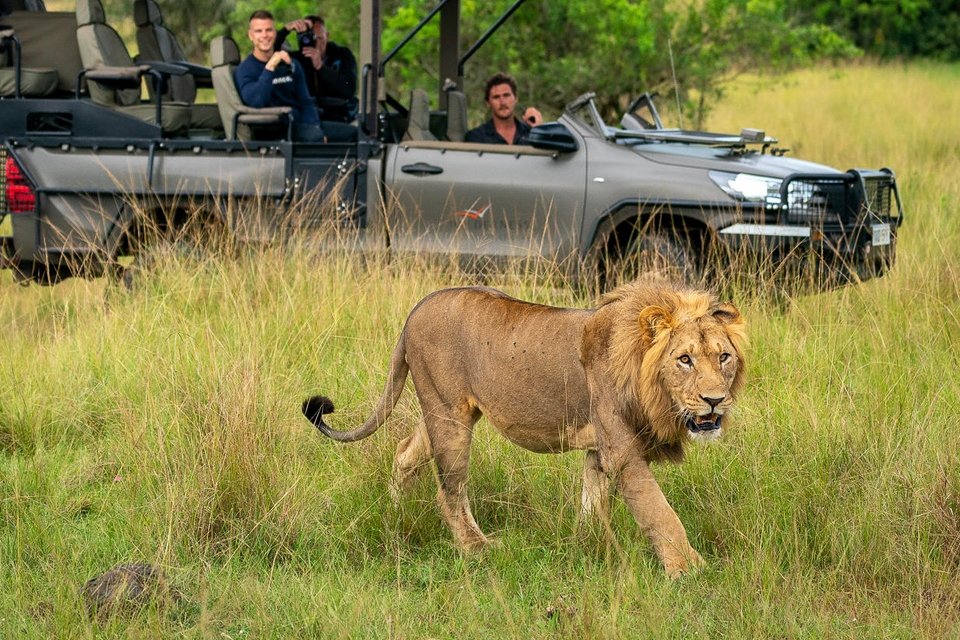
Today, thriving lion and rhino populations enhance Rwanda safaris by completing the country’s Big Five offering.
Therefore, conservation fees directly contribute to expanding safari experiences beyond traditional forest-based tourism.
Community Development Through Rwanda Safaris
Equally important, conservation fees support community development programs surrounding Akagera National Park.
Revenue-sharing initiatives fund schools, healthcare facilities, clean water projects, and local infrastructure improvements.
Through Rwanda tours, local communities benefit economically from employment opportunities in tourism and park management.
As livelihoods improve, pressure on park resources decreases significantly.
This inclusive conservation approach mirrors the successful gorilla trekking revenue model used elsewhere in Rwanda.
Accordingly, Rwanda safaris promote coexistence between people and wildlife.
Transparency and Trust in Rwanda Tours
Transparency remains a cornerstone of Akagera’s conservation fee system and its long-term success.
Funds collected from Rwanda safaris are reinvested directly into conservation and community projects.
Clear reporting builds trust among government agencies, conservation partners, and neighboring communities.
Consequently, Akagera enjoys strong local support, which enhances park security and sustainability.
For visitors, this transparency adds meaningful value to Rwanda tours beyond wildlife viewing alone.
Knowing their contribution creates real impact strengthens traveler satisfaction and conservation awareness.
Why Conservation Fees Matter to Rwanda Safaris
For travelers, conservation fees represent more than an additional cost during Rwanda safaris.
Instead, they serve as a direct investment in wildlife protection, habitat restoration, and community well-being.
Each visit helps secure Akagera’s future while preserving biodiversity for future generations.
Therefore, Rwanda tours align seamlessly with global responsible tourism principles.
Moreover, Akagera’s success reinforces Rwanda’s reputation as a leader in sustainable wildlife tourism.
This integrated conservation approach strengthens confidence in the country’s long-term safari offerings.
Conclusion: Tourism as a Conservation Tool in Rwanda Tours
In conclusion, Akagera National Park’s conservation fee structure ensures tourism remains a powerful force for protection.
It reflects the same successful funding model seen in gorilla trekking and forest conservation.
Through Rwanda safaris, visitors actively support wildlife recovery, community development, and ecosystem resilience.
Ultimately, conservation fees transform Rwanda tours into meaningful journeys that protect nature while enriching local lives.