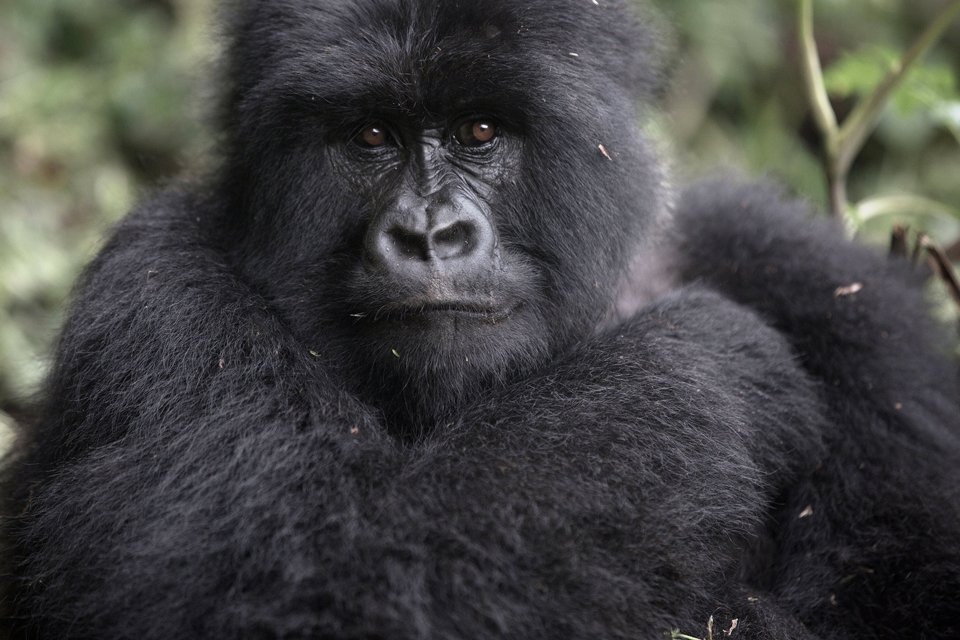
The story of Gishwati–Mukura National Park stands as one of Rwanda’s most compelling conservation transformations. Once heavily degraded, this landscape has gradually been restored through deliberate policy, long-term ecological planning, and strong community engagement. Today, the park is recognized as living proof that damaged ecosystems can recover when conservation is treated as both an environmental and social priority. For travelers familiar with Rwanda gorilla trekking, Gishwati–Mukura provides essential context by revealing how conservation success is built long before tourism benefits are realized.
A Past Marked by Environmental Pressure
For decades, the Gishwati–Mukura landscape faced intense deforestation driven by agricultural expansion, livestock grazing, and human settlement. As forests were cleared, biodiversity declined, water systems weakened, and soil erosion increased. Local livelihoods were also affected, as natural resources became increasingly scarce. In response, urgent conservation measures were introduced. Large areas were placed under protection, land-use practices were revised, and restoration programs were implemented. Over time, these efforts began to reverse environmental decline, and ecological stability started to return.
Reforestation as the Foundation of Recovery
Reforestation became the cornerstone of conservation in Gishwati–Mukura. Native tree species were planted, while natural forest regeneration was actively encouraged. Degraded hillsides were stabilized, and river catchments were protected to restore water flow. Progress was closely monitored, and adaptive management strategies were applied where needed. As a result, forest cover steadily expanded, and habitat quality improved. What was once fragmented land has gradually been transformed into a functioning forest ecosystem supporting diverse life forms.
Wildlife Return and Ecological Indicators
As forest conditions improved, wildlife began to reappear. Primates, birds, and small mammals were increasingly observed, confirming that ecological processes were being restored. Although the park does not rely on a single flagship species like mountain gorillas, its recovering biodiversity is equally significant. These species act as indicators of ecosystem health and validate the effectiveness of long-term conservation strategies. For visitors who have experienced gorilla trekking safaris, Gishwati–Mukura highlights the unseen conservation work that makes wildlife tourism possible across Rwanda.
Community Participation and Shared Stewardship
Equally important, conservation in Gishwati–Mukura has been built around community inclusion. Local residents were actively engaged in reforestation, monitoring, and park management activities. Employment opportunities were created, while tourism and conservation revenue was channeled into education, healthcare, and sustainable livelihood projects. As benefits became visible, dependence on forest exploitation declined. Consequently, conservation support grew stronger, demonstrating that environmental protection is most effective when communities share in its success.
Tourism as a Supportive Conservation Tool
Tourism now plays a carefully managed role in sustaining the park. Visitor fees contribute directly to restoration programs, research, and community initiatives. At the same time, travelers gain awareness of conservation beyond iconic wildlife encounters. While Rwanda gorilla trekking showcases conservation through close primate experiences, Gishwati–Mukura illustrates how entire landscapes can be healed. Tourism, therefore, has been positioned as a partner in recovery rather than a pressure on fragile ecosystems.
Conclusion: A Living Model of Conservation Success
In conclusion, Gishwati–Mukura National Park represents a remarkable conservation achievement rooted in restoration, resilience, and collaboration. Through sustained reforestation, wildlife recovery, and community-centered approaches, a once-degraded environment has been revitalized. When combined with Rwanda gorilla trekking, the park enriches the broader safari narrative by demonstrating how conservation works at ecosystem and community levels. Gishwati–Mukura ultimately stands as a symbol of hope and Rwanda’s leadership in long-term, sustainable conservation.