



Key Differences Between Gorilla Trekking Trails in Buhoma Versus Rushaga Sectors

Travelers planning gorilla trekking in Uganda often wonder whether the Buhoma or Rushaga sector offers the better experience. Both sectors are located within Bwindi Impenetrable National Park, one of the world’s most famous destinations for uganda gorilla trekking, yet the trekking conditions, trail characteristics, visitor atmosphere, and gorilla behavior differ significantly. Understanding these distinctions helps trekkers choose the sector that best matches their fitness level, expectations, and preferred style of adventure. Each sector provides an unforgettable experience, but the differences in terrain, accessibility, altitude, and trekking patterns can greatly shape the overall journey.

Buhoma, located in the northern part of Bwindi, is the original home of gorilla trekking in Uganda, dating back to 1993 when the first gorilla family, Mubare, was habituated for tourism. The trails in Buhoma tend to be more gradual compared to those in Rushaga. While Bwindi’s terrain is naturally steep and rugged, Buhoma offers relatively softer ascents and descents, especially at lower altitudes near the park entrance. This makes Buhoma particularly appealing to trekkers seeking a gentler hike or those who prefer less strenuous trails. Many first-time trekkers choose Buhoma because it gives a balanced introduction to rainforest trekking without extremely steep climbs.

Rushaga, located in the southern region of Bwindi, offers a more challenging trekking environment. The terrain here is steeper, with sharper inclines and deeper valleys, making it ideal for travelers who enjoy demanding hikes and long forest walks. Since Rushaga lies at a higher altitude in most areas, it naturally presents a more strenuous gorilla trekking in Uganda experience. However, the challenging routes come with breathtaking views, dramatic ridge lines, and panoramic forest scenery. Many adventure enthusiasts prefer Rushaga precisely because of its rugged, mountainous appeal.

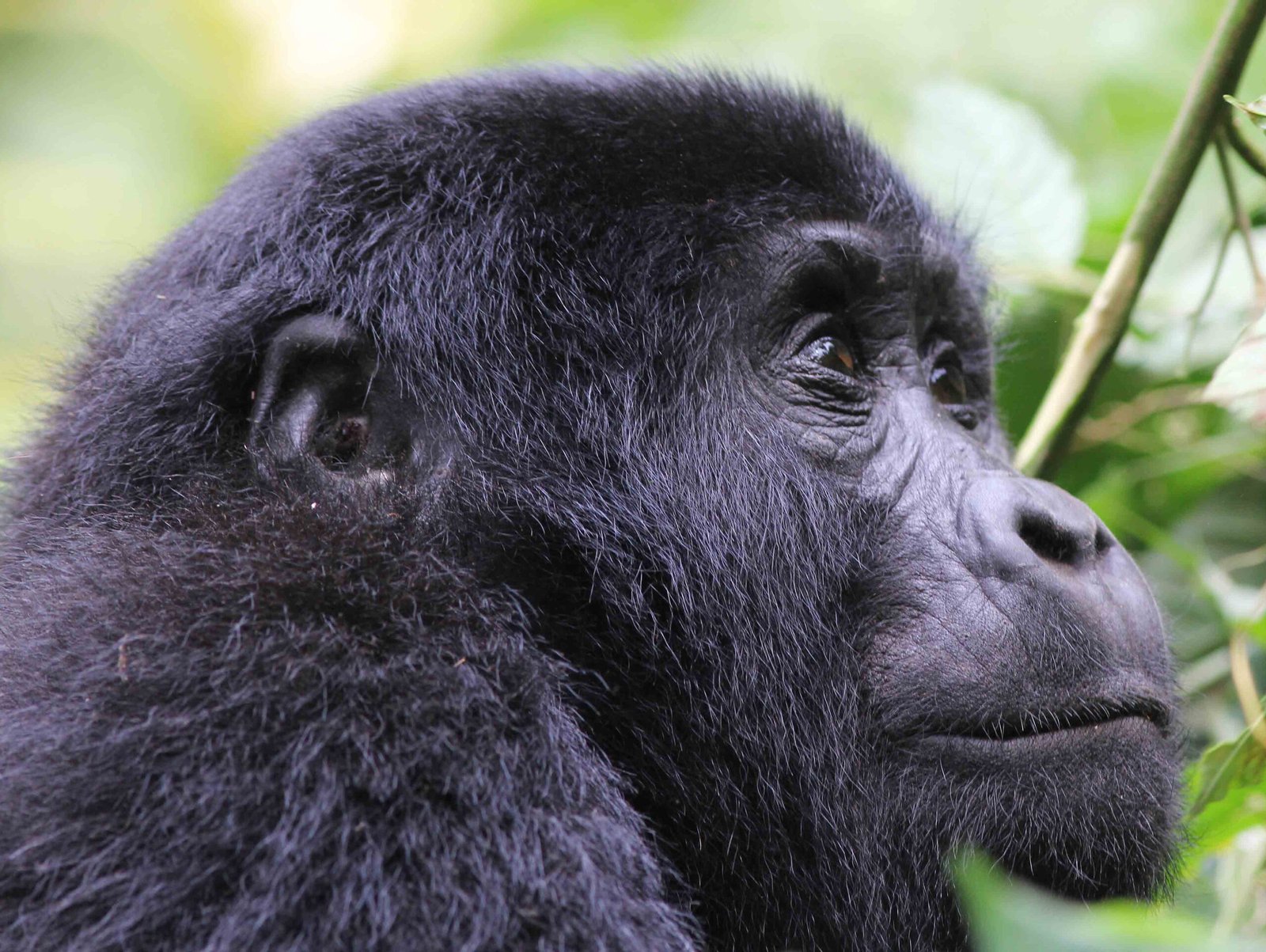
Another key difference between the two sectors is the number of gorilla families available for trekking. Rushaga has one of the highest concentrations of habituated gorilla families in Uganda, often giving travelers more flexibility in obtaining trekking permits. This sector is also famous for hosting the Gorilla Habituation Experience, where visitors spend up to four hours with a semi-habituated gorilla family. This makes Rushaga especially attractive for travelers who want extended interaction and more time for photography, behavior observation, and immersive encounters. Buhoma, on the other hand, has fewer gorilla families, but its families tend to live closer to the starting point. This often results in shorter tracking times, making it appealing to trekkers who prefer quicker access or want a less demanding trek.

The trekking atmosphere also varies between the two sectors. Buhoma has a long-established tourism presence with a well-developed range of lodges, cultural attractions, and visitor services. Because Buhoma was the first sector to open for uganda gorilla trekking, many of the lodges here are among the pioneer safari properties, offering high-quality service, traditional hospitality, and mature landscaping. It also has a more relaxed, village-like environment with shops, craft centers, and community walks that give travelers insight into local life after their trek.

Rushaga, while also equipped with excellent lodges, has a more remote and adventurous feel. The area is less commercialized and more oriented toward trekking-focused tourism. Accommodations here vary from budget to luxury, with several hillside lodges offering stunning views overlooking Bwindi’s deep valleys. Travelers who want a quieter, more wilderness-centered base often prefer Rushaga because of its sense of isolation and connection with the forest.

Accessibility is another difference that influences trekking choices. Buhoma is easier to reach from major tourism hubs such as Kampala, Fort Portal, and Queen Elizabeth National Park. Its position on Bwindi’s northern edge makes it a logical stop for travelers moving along the western tourism circuit. Rushaga, however, is closer to Kisoro and the Rwanda border, making it the ideal choice for trekkers combining gorilla trekking with Rwanda’s Volcanoes National Park or those arriving from Kigali. Rushaga’s road network is steeper and bumpier, reflecting its high-altitude terrain but also enhancing the sense of adventure.

Wildlife photographers often compare the lighting and forest density between the two sectors. Buhoma’s forest canopy is dense, resulting in softer, diffused lighting. This can be good for portrait-style shots of gorillas but may challenge low-light photography. Rushaga’s higher elevation areas tend to have more open spaces and clearer light, making it easier for photographers to capture sharp images without extreme shadow interference. This difference is crucial for travelers planning professional photo shoots during gorilla trekking in Uganda.

In summary, the choice between Buhoma and Rushaga depends on what the traveler values most in their gorilla trekking experience. Buhoma is ideal for trekkers seeking moderate trails, easy access, and a culturally rich environment. Rushaga is perfect for adventure seekers, photographers, and visitors wanting more challenge or extended time with gorillas through habituation. Both sectors offer exceptional encounters with mountain gorillas, and each provides a different perspective on Uganda’s rainforest beauty. Whether choosing the steady trails of Buhoma or the dramatic slopes of Rushaga, the gorilla trekking adventure remains one of the most rewarding wildlife experiences in Africa.

Related Articles

Leave a reply

Your email address will not be published. Required fields are marked *