















Mastering the Heights: Fitness for Uganda Gorilla Trekking
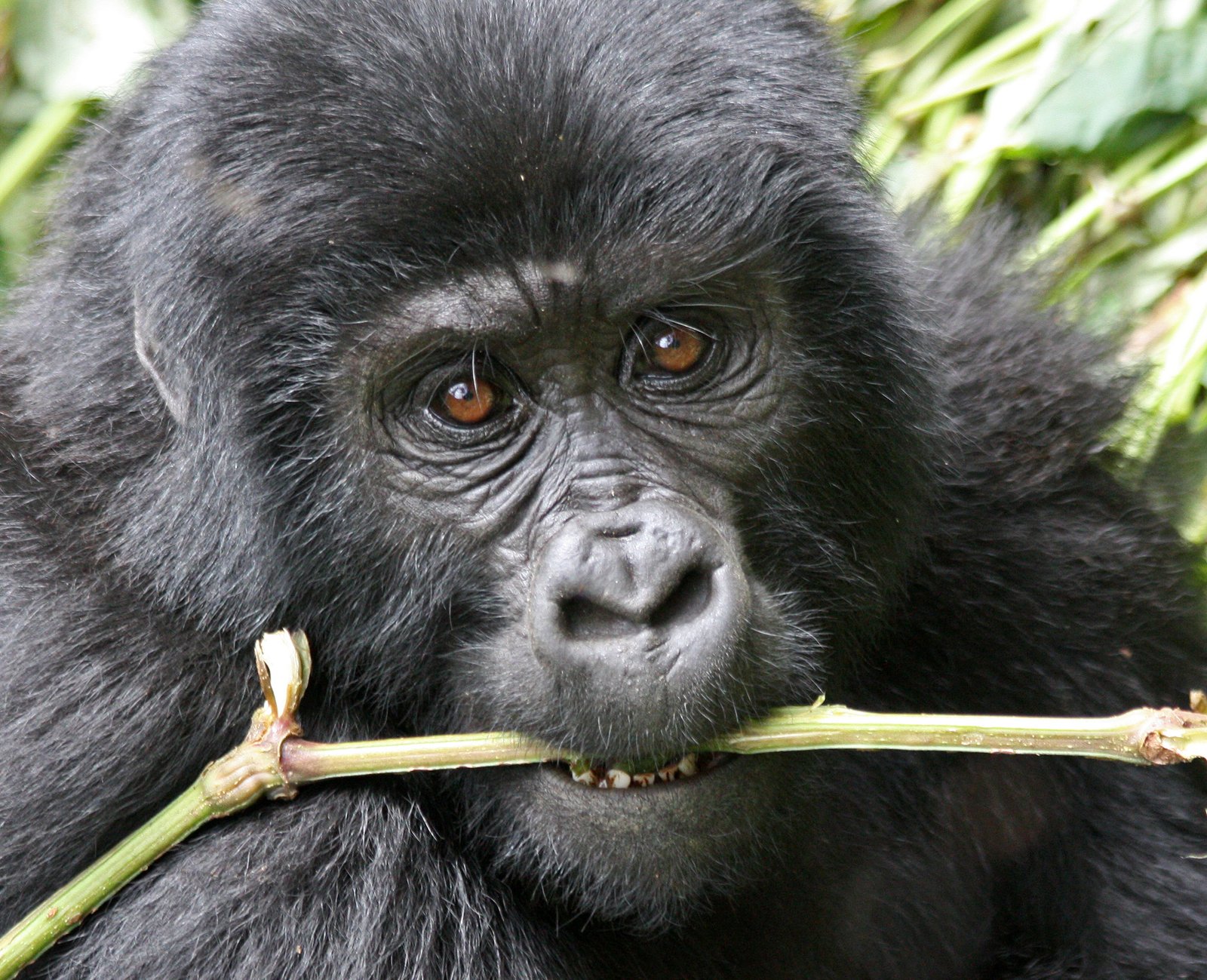
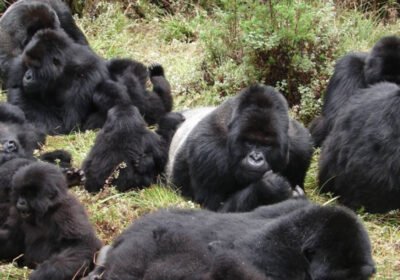
Gorilla trekking in Uganda is a world-class adventure that offers intimate encounters with the planet’s most iconic wildlife. However, it is also a physically demanding pursuit that requires significant stamina, endurance, and mental preparation. Bwindi Impenetrable Forest is characterized by rugged terrain, steep slopes, and dense vegetation. Consequently, uganda gorilla trekking can become a grueling endeavor for those who arrive unprepared. Staying fit and minimizing fatigue is therefore essential to fully enjoy the ancient rainforest without succumbing to exhaustion.
Physical Conditioning and Strength Training
Preparation begins long before you set foot in the Ugandan wilderness. Because the trek involves sustained uphill and downhill hiking at high altitudes, cardiovascular fitness is absolutely crucial. You should engage in walking, jogging, or cycling several times per week to improve lung capacity and heart health.
Furthermore, strength training is equally important for navigating the uneven forest floor. Trekkers should focus on the following exercises:
- Squats and Lunges: To build power for steep volcanic ascents.
- Planks and Core Work: To maintain balance on slippery, muddy trails.
- Resistance Training: To prepare the body for carrying a daypack filled with gear.
By conditioning your muscles to handle moderate loads, you significantly reduce the risk of muscle strain during gorilla trekking in Uganda.
Nutrition and Hydration Strategies
Maintaining high energy levels is a major component of a successful uganda gorilla trekking experience. Bwindi’s forest is often humid, which leads to rapid water loss through perspiration. Therefore, you must stay well-hydrated before and during the hike by sipping water steadily.
In terms of nutrition, eating balanced meals rich in complex carbohydrates and lean proteins ensures optimal performance. During the trek, you should carry high-energy snacks like trail mix or bananas to restore calories quickly. These small nutritional choices prevent sluggishness and allow you to maintain focus when you finally encounter the mountain gorillas.
Pacing, Acclimatization, and Professional Support
Pacing is essential to avoid early burnout on the trail. Many visitors make the mistake of rushing, only to tire before they reach the gorilla family. Fortunately, guided treks in Bwindi emphasize a steady pace with frequent pauses to rehydrate.
Additionally, acclimatizing to the altitude can reduce fatigue. Spending a day or two in nearby Kisoro or Kihihi allows your body to adjust to the elevation before you begin gorilla trekking in Uganda. Finally, hiring a local porter is a practical strategy for conserving energy. Porters carry your heavy equipment, which allows you to focus on your footing and the magnificent surroundings.
Conclusion
Ultimately, avoiding fatigue during uganda gorilla trekking requires a blend of conditioning, proper nutrition, and smart pacing. By preparing your body and mind in advance, you ensure that your time in Bwindi is spent in awe rather than in agony. This holistic approach makes the encounter with the gentle giants a truly fulfilling and memorable adventure.