Best Time for Gorilla Trekking in Volcanoes National Park
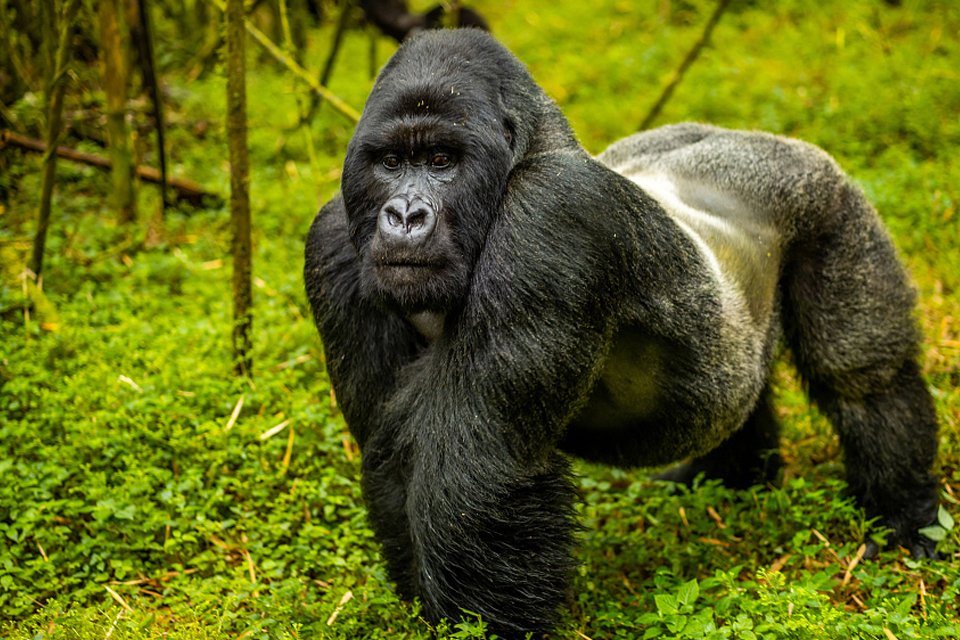
Choosing the best season for gorilla trekking is a crucial step when planning meaningful Rwanda tours, especially for travelers comparing regional safari experiences. Rwanda’s trekking environment is shaped by high-altitude volcanic terrain rather than lowland rainforest climate, creating unique seasonal conditions. Understanding rainfall patterns, trail stability, temperature shifts, and visitor flow helps travelers select the most comfortable and rewarding safari in Rwanda. Each season offers distinct advantages, ensuring that Rwanda safaris remain exceptional throughout the year.
Dry Seasons and Optimal Trekking Comfort
The long dry season from June to September is widely regarded as the most favorable period for gorilla trekking. During these months, rainfall is reduced, trails remain firmer, and forest visibility improves significantly for trekkers and photographers. Because trekking conditions are easier and safer, this season attracts the highest number of visitors on Rwanda tours. Clear skies also enhance scenic views of the Virunga volcanoes, adding dramatic landscapes to every safari in Rwanda experience.
A shorter dry season occurs from mid-December to early February and also provides excellent trekking conditions. Temperatures feel cool and refreshing, while bamboo forests remain accessible and stable for hiking. Holiday travelers and early-year adventurers frequently choose this window for Rwanda safaris because wildlife viewing remains reliable. Compared with conditions in Bwindi Impenetrable Forest, Rwanda’s open terrain often feels slightly less demanding for moderate hikers.
Rainy Seasons and Lush Scenic Beauty
The long rainy season from March to May introduces heavier rainfall, softer ground, and muddier trails across Volcanoes National Park. Although trekking becomes more physically challenging, gorilla sightings remain dependable throughout this period. Travelers who prefer quieter paths, lodge availability, and dramatic green landscapes often appreciate Rwanda tours during these months. Photographers especially value the rich vegetation and atmospheric mist that enhance storytelling on a safari in Rwanda.
October and November form the short rainy season, bringing moderate showers and vibrant forest renewal. While trails may become slippery, gorillas frequently stay at lower altitudes where fresh vegetation grows abundantly. Misty volcanic backdrops and diffused light create striking photographic opportunities that distinguish Rwanda safaris from drier seasons. For travelers seeking mood, color, and fewer crowds, this period remains highly rewarding.
Trail Stability, Temperature, and Logistics
Seasonal rainfall directly influences trail stability, making proper gear essential year-round for gorilla trekking safety and comfort. Waterproof boots, trekking poles, and porter assistance are strongly recommended, particularly during wetter months in Volcanoes National Park. Despite slippery volcanic soil, Rwanda’s gradual slopes and open pathways generally provide steadier footing than steeper rainforest trails elsewhere. This terrain advantage contributes to the accessibility often associated with Rwanda tours.
High altitude also shapes temperature conditions, producing cool mornings and mild daytime hiking weather throughout the year. These cooler climates contrast with warmer, more humid trekking environments found in lower-elevation forests of neighboring regions. Many travelers therefore find a safari in Rwanda more physically comfortable, especially during longer hikes. Reliable paved roads further support year-round travel logistics, ensuring smooth access to the park regardless of season.
Choosing the Ideal Season for Rwanda Safaris
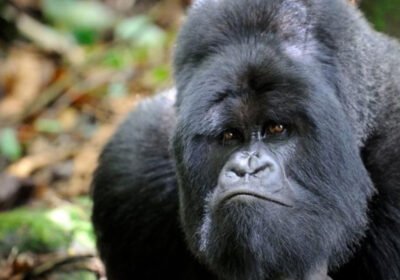
Ultimately, the best time for gorilla trekking depends on traveler priorities rather than strict seasonal limitations. Dry months provide predictable trails, clearer views, and maximum comfort for first-time visitors and luxury Rwanda tours. Rainy months deliver lush scenery, fewer crowds, and outstanding photography conditions for immersive Rwanda safaris. Because gorilla families remain protected and monitored daily, successful encounters are ensured in every season.
A carefully timed safari in Rwanda therefore balances weather preferences, travel style, and personal expectations. Whether trekking under bright dry-season skies or through mist-covered volcanic forests, Volcanoes National Park consistently offers one of Africa’s most extraordinary wildlife experiences.