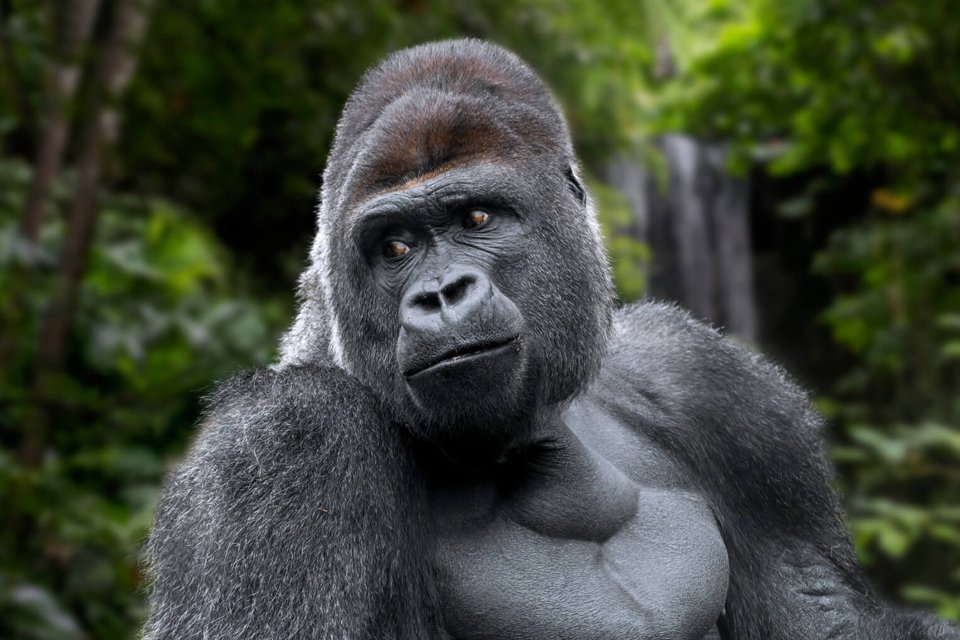
Rwanda’s remarkable success in mountain gorilla conservation is strongly supported by a highly organized daily monitoring system inside Volcanoes National Park. This system ensures that wildlife protection is prioritized while visitor experiences remain safe, meaningful, and consistently rewarding. Although strong conservation programs also exist elsewhere in East Africa, Rwanda’s precision, coordination, and efficiency are especially recognized worldwide. Consequently, travelers who choose Rwanda benefit from a trekking environment where ecological balance and tourism quality are carefully maintained together.
Early Morning Tracking Creates Reliable Encounters
Each day begins before sunrise, when trained trackers quietly enter the forest to locate gorilla families near their previous nesting sites. Fresh environmental signs are carefully examined, including footprints, feeding remains, broken vegetation, and subtle movement patterns across the forest floor. Because the bamboo zones are more open and easier to navigate, gorilla positions are often confirmed long before visitors begin hiking. As a result, trekking routes can be planned efficiently, and shorter, more predictable journeys are frequently experienced by travelers.
Continuous Communication Strengthens Visitor Safety
Equally important, real-time communication is maintained between trackers, ranger guides, and park coordination teams throughout the entire trekking period. Updates about gorilla behavior, terrain safety, and weather conditions are immediately shared to protect both visitors and wildlife. Viewing distances are strictly enforced, and trekking paths are adjusted whenever potential risks or signs of stress are observed. Through this coordinated system, calm and respectful gorilla encounters are consistently delivered in a secure natural environment.
Veterinary Monitoring Supports Long-Term Survival
Another essential component of Rwanda’s conservation strength is proactive veterinary care provided in collaboration with specialist wildlife doctors. Injuries, respiratory illnesses, and snare wounds are identified quickly through the daily reports submitted by tracking teams. When treatment becomes necessary, medical intervention is carefully performed to stabilize the affected gorillas and protect the wider family group. Over time, these consistent health efforts have helped support steady population recovery and long-term species survival.
Precision Planning Enhances the Visitor Experience
Because gorilla locations are known early each morning, trekking groups can be thoughtfully assigned according to fitness level, comfort needs, and hiking expectations. Shorter and gentler treks are therefore often arranged for older travelers or those seeking moderate physical effort. In addition, predictable return times allow lodges to coordinate meals, rest periods, and optional cultural activities with impressive efficiency. Adventure and relaxation are therefore blended seamlessly throughout the overall trekking experience.
Scientific Research and Community Involvement
Daily monitoring also generates valuable ecological data, including birth records, feeding behavior, nesting movement, and changing social relationships within gorilla families. These insights guide long-term conservation planning and habitat protection strategies across the broader ecosystem. At the same time, many trackers are recruited from nearby communities, where meaningful employment opportunities are created through conservation tourism. In this way, wildlife protection and community well-being are closely connected and mutually reinforced.
Sustaining Confidence in Rwanda’s Gorilla Trekking
Ultimately, the structured monitoring system within Volcanoes National Park forms the foundation of Rwanda’s globally respected gorilla-trekking reputation. Early tracking, continuous communication, veterinary care, scientific research, and community partnership are all carefully integrated to protect both gorillas and visitors. Because safety, predictability, and conservation integrity are consistently delivered, lasting trust is naturally built into every trekking journey. For travelers seeking an ethical, organized, and deeply moving wildlife encounter, Rwanda continues to stand among the world’s most inspiring destinations.
Leave a Reply