


Why Trekking Sector Choice Matters in Rwanda

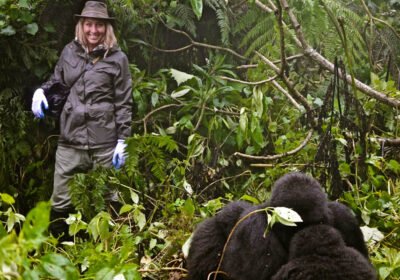
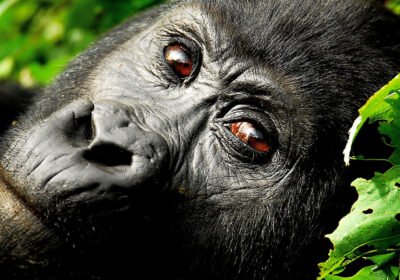
Choosing the right trekking sector in Volcanoes National Park is a key step in planning a rewarding Rwanda gorilla trekking experience. Although the park is smaller and more centralized than Bwindi Impenetrable National Park—the heart of most gorilla trekking in Uganda—the terrain and elevation vary significantly across the Virunga Volcanoes. Therefore, understanding the differences between sectors helps travelers align their trek with fitness levels, comfort expectations, and personal interests.
How Trekking Sectors Are Organized
Volcanoes National Park is divided into trekking zones based on the locations of habituated gorilla families. These zones correspond largely to the volcanic mountains of Sabyinyo, Gahinga, Bisoke, Muhabura, and Karisimbi. Unlike gorilla trekking in Uganda, where sectors such as Buhoma, Rushaga, Ruhija, and Nkuringo can be several hours apart, all Rwanda treks begin from the same Kinigi headquarters. As a result, logistics are simpler, although trekking conditions still differ considerably.
Sabyinyo Sector: Balanced and Comfortable
The Sabyinyo sector is widely regarded as one of the most balanced trekking areas in the park. Trails feature gradual slopes, open bamboo forest, and relatively stable footing. Consequently, trekking distances feel moderate, with fewer steep climbs. This sector is well suited to older travelers, families with teenagers, or visitors seeking a comfortable yet authentic gorilla encounter. Gorilla families here often remain at mid-altitudes, reducing physical strain.
Gahinga Sector: The Easiest Option
Next, the Gahinga sector offers some of the gentlest trekking conditions in Volcanoes National Park. Trails are shorter, less steep, and pass through scenic bamboo groves and light forest. Because of this, Gahinga is ideal for first-time trekkers or travelers concerned about endurance. Compared to challenging routes in southern Bwindi during gorilla trekking in Uganda, Gahinga provides a noticeably more accessible experience.
Bisoke Sector: Scenic and Moderately Challenging
The Bisoke sector attracts trekkers seeking a more adventurous experience without extreme difficulty. Slopes become steeper at higher elevations, and distances may be longer. However, the reward is outstanding scenery, including views of Mount Bisoke and diverse forest zones. Photographers particularly favor this sector due to its dramatic volcanic backdrops and varied vegetation.
Karisimbi Sector: For Strong and Adventurous Trekkers
The Karisimbi sector is the most physically demanding area in the park. As the highest volcano in the Virunga range, Mount Karisimbi hosts gorilla families that often move at high elevations. Treks here involve long ascents, steep trails, and cooler, unpredictable weather. This sector appeals to fit travelers seeking a rugged adventure. In difficulty, it closely resembles the most challenging gorilla trekking routes in Uganda’s steep Bwindi sectors.
Muhabura Sector: High Views and Volcanic Terrain
Finally, the Muhabura sector offers a unique trekking environment defined by rocky volcanic slopes and alpine vegetation. While altitude adds moderate difficulty, the wide-open landscapes and sweeping views across Rwanda and Uganda make the effort worthwhile. This sector suits trekkers who enjoy dramatic scenery alongside wildlife encounters.
Key Factors to Consider When Choosing a Sector
Altitude sensitivity is an important consideration, as several volcanoes rise above 3,000 meters. Travelers concerned about altitude should favor lower sectors like Sabyinyo or Gahinga. Additionally, gorilla family locations change daily, and rangers assign groups based on fitness and conditions. Weather also matters, since steeper sectors become slippery during rainy seasons.
Conclusion: Centralized Yet Diverse Trekking Options
In conclusion, selecting a trekking sector in Volcanoes National Park involves balancing terrain, altitude, fitness level, and personal goals. Whether seeking an easy introduction, a scenic challenge, or a demanding adventure, Rwanda offers diverse trekking options within a centralized system. While gorilla trekking in Uganda requires navigating widely spread sectors across Bwindi, Rwanda provides a more compact yet equally varied environment for choosing your ideal gorilla trekking experience.