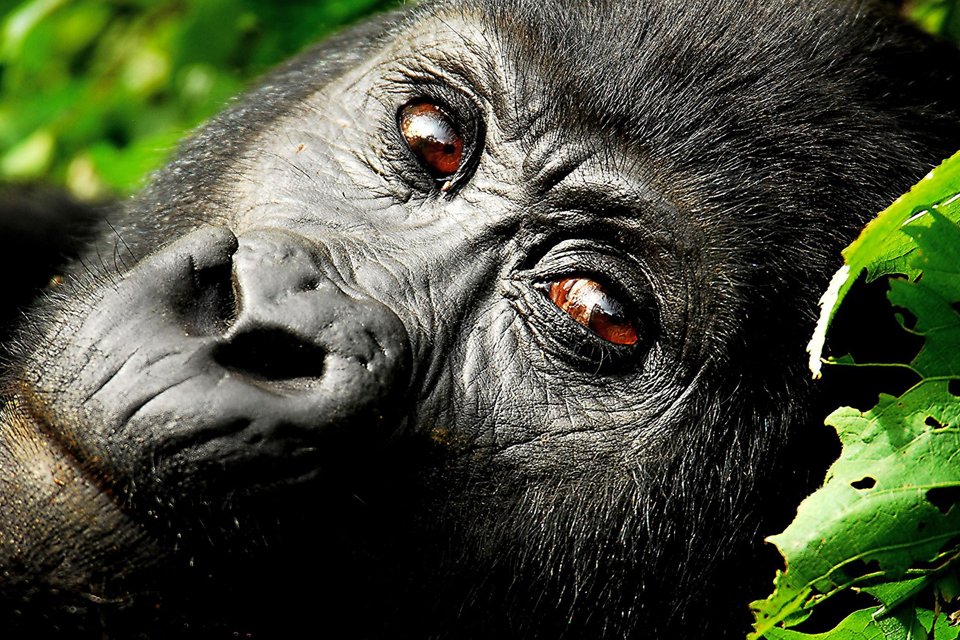
Rwanda has steadily become one of Africa’s most family-friendly destinations for gorilla trekking, particularly for families traveling with teenagers. This extraordinary wildlife experience combines adventure, education, and emotional impact in a way few activities can. While gorilla trekking in Uganda also offers thrilling encounters for adventurous families, Rwanda provides a more structured, accessible, and reassuring environment—qualities many parents value when traveling with older children. With trekking permitted for ages 15 and above, Rwanda stands out as an exceptional choice for meaningful family travel.
Accessible Terrain and Predictable Trekking Routes
One of the strongest advantages Rwanda offers families is the accessibility of its trekking terrain. Volcanoes National Park is characterized by open bamboo forests and well-managed trails. Although trek difficulty varies, routes are generally shorter and less rugged than those encountered during gorilla trekking in Uganda, especially in Bwindi.
As a result, teenagers with limited hiking experience can participate comfortably. In addition, parents can request shorter or less demanding treks during the morning briefing, a flexibility that adds peace of mind and helps match the trek to the family’s abilities.
Structured Briefings and Educational Value
Before trekking begins, families attend a mandatory pre-trek briefing at Kinigi headquarters. During this session, rangers clearly explain safety rules, gorilla behavior, and conservation ethics. This structured orientation is especially beneficial for teenagers, as expectations are set clearly and responsibly.
Moreover, the briefing often becomes a shared learning moment for families. Conservation principles, respect for wildlife, and teamwork are emphasized, reinforcing responsibility and awareness before entering the forest.
Ranger Support, Safety, and Professionalism
Equally important is Rwanda’s high standard of ranger professionalism. Guides are experienced in leading mixed-age groups and are attentive to individual energy levels. Their calm, supportive approach helps teenagers feel confident and engaged throughout the trek.
Parents also appreciate the option to hire porters. While backpacks are carried, assistance is also provided on slippery or uneven terrain. This support reduces fatigue and improves balance, which is particularly helpful for teenagers who may be enthusiastic, nervous, or easily distracted.
Emotional and Educational Impact on Teenagers
Gorilla trekking in Rwanda offers more than a wildlife sighting; it delivers a deeply educational and emotional experience. Teenagers gain firsthand exposure to conservation efforts, endangered species protection, and the role tourism plays in supporting local communities.
As a result, many families report meaningful discussions sparked by the trek—about ecology, human responsibility, and sustainability. For teenagers who previously encountered gorillas only through documentaries or textbooks, seeing them in the wild transforms abstract concepts into powerful, lasting memories.
Family-Friendly Lodges and Comfort
Rwanda’s accommodation options further enhance the family experience. Lodges such as Bisate, Sabyinyo Silverback Lodge, Singita Kwitonda, and Five Volcanoes Boutique Hotel offer family suites, private villas, and flexible dining. These welcoming environments help teenagers feel relaxed and secure.
In addition, activities such as village visits, farm tours, and nature walks keep families engaged before and after trekking days, ensuring the entire stay feels balanced and enriching.
Physical Preparation and Age Guidelines
Although Rwanda’s terrain is comparatively manageable, parents should prepare teenagers for hiking at altitude. Light fitness routines—walking, stair climbing, or jogging—help build stamina. Proper hydration and appropriate trekking gear also contribute to a smoother experience.
It is important to note that Rwanda strictly enforces the minimum trekking age of 15. This policy ensures safety and responsible behavior around gorillas. For families who previously encountered age-related uncertainties elsewhere, Rwanda’s clear enforcement provides confidence and clarity.
Post-Trek Activities for Teenagers
Beyond trekking, Rwanda offers engaging activities well suited to teenagers. Options include canoeing on the Mukungwa River, visiting the Ellen DeGeneres Campus of the Dian Fossey Gorilla Fund, exploring the Musanze Caves, and participating in community or craft experiences. These activities deepen cultural understanding while maintaining a sense of adventure.
Conclusion: A Rewarding Family Adventure
In conclusion, Rwanda is an outstanding destination for families traveling with teenagers for gorilla trekking. With accessible trails, strong ranger support, immersive learning opportunities, and high-quality hospitality, families enjoy a smooth and enriching journey. While gorilla trekking in Uganda offers remarkable rainforest encounters, Rwanda’s organization, safety, and teen-friendly environment make it especially appealing for families seeking unforgettable wildlife experiences together.
Leave a Reply