













Best Eco-Lodges Near Volcanoes NP Supporting Rwanda’s Gorilla Conservation Efforts
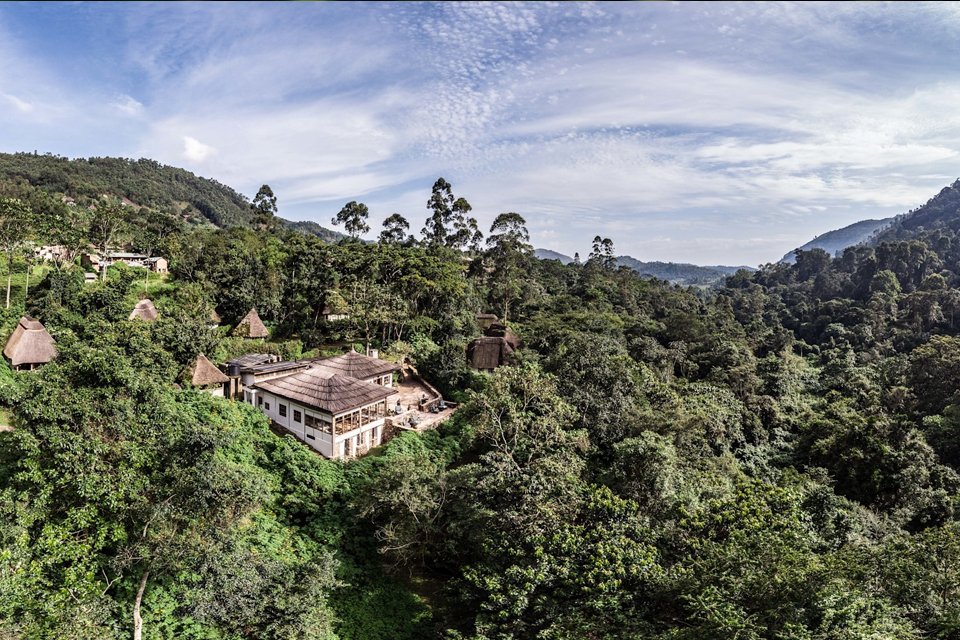
Rwanda’s Volcanoes National Park is surrounded by some of the best eco-lodges in Africa—properties that combine exceptional comfort with deep, tangible contributions to gorilla conservation. These lodges play a crucial role in protecting gorilla habitat, funding community programs, and supporting sustainability initiatives. While eco-conscious travelers also find excellent conservation-focused accommodations during gorilla trekking in Uganda, Rwanda’s collection stands out for its consistent luxury, rigorous eco-certification, and close proximity to the park entrance.
One of the most famous eco-lodges in the region is Bisate Lodge, operated by Wilderness. Built in a crater-like amphitheater overlooking Bisoke and Karisimbi volcanoes, Bisate is renowned for its architectural innovation and strong conservation ethos. The lodge’s reforestation project has planted thousands of indigenous trees, restoring degraded land and expanding gorilla habitat. Guests are invited to participate in tree planting, guided nature walks, and conservation education sessions. Its proximity to the park, combined with its luxurious eco-design, makes Bisate a flagship model for sustainable safari tourism.
Another exceptional eco-lodge is Sabyinyo Silverback Lodge, owned by the Sabyinyo Community Livelihood Association (SACOLA). This unique ownership model ensures lodge profits are channeled directly into community development projects, including schools, health centers, and alternative livelihood programs. Because of SACOLA’s direct involvement, staying at Sabyinyo has an immediate, measurable impact on local families. This model is often compared to Uganda’s community lodges in Buhoma and Nkuringo, but Sabyinyo’s revenue-sharing system is particularly structured and effective.
Singita Kwitonda Lodge, another world-class eco-lodge, incorporates volcanic stone, local timber, and Rwandan weaving techniques to create a sustainable yet luxurious retreat. Singita’s conservation impact extends beyond tree planting—it supports anti-poaching teams, youth training programs, and large-scale biodiversity assessments. Guests enjoy eco-friendly luxury, including solar power, water recycling, organic cuisine, and nature-integrated architecture. Singita operates under a philosophy of “low-impact, high-value tourism,” aligning perfectly with Rwanda’s conservation goals.
One&Only Gorilla’s Nest is another eco-conscious property that blends luxury with sustainability. Although known for its premium amenities, the lodge integrates environmentally friendly practices such as energy-efficient systems, local sourcing, habitat restoration, and community empowerment. It employs local residents, supports artisan cooperatives, and invests in regional conservation programs.
For travelers seeking mid-range eco-options, Virunga Inn Resort & Spa, Five Volcanoes Boutique Hotel, and Mountain Gorilla View Lodge offer sustainable lodging with reduced ecological footprints. These properties support community employment, conservation outreach, and cultural preservation activities. Their strategic locations near the Kinigi Park Headquarters reduce transportation emissions and morning travel times.
Rwanda’s eco-lodges contribute to gorilla conservation in several key ways:
- Funding ecosystem restoration through reforestation projects, habitat restoration, and removal of invasive species.
- Supporting anti-poaching patrols by financing ranger equipment, training, and community-led surveillance initiatives.
- Providing local employment, reducing reliance on forest resources and fostering stewardship among nearby communities.
- Investing in community tourism, which reduces human-wildlife conflict and increases support for conservation.
- Promoting environmental education through guest programs, school outreach, and research collaborations.
These initiatives mirror efforts observed during gorilla trekking in Uganda, where lodges in Bwindi invest heavily in community conservation. However, Rwanda’s eco-lodges often operate under sophisticated, high-budget models with global conservation partners, amplifying their impact.
Guests staying at eco-lodges near Volcanoes NP enjoy immersive experiences such as guided nature walks, birdwatching, cultural storytelling nights, conservation presentations, and visits to the Diane Fossey Fund’s research campus.
In conclusion, Rwanda’s eco-lodges near Volcanoes National Park combine luxurious comfort with powerful conservation initiatives, making them ideal for travelers who want their stay to contribute meaningfully to the protection of mountain gorillas. While gorilla trekking in Uganda offers similar conservation-minded accommodations, Rwanda’s eco-lodges stand out for their design, proximity, community ownership models, and measurable conservation impact.