
















Understanding the History of Rwanda’s Gorilla Habituation and Dian Fossey’s Impact
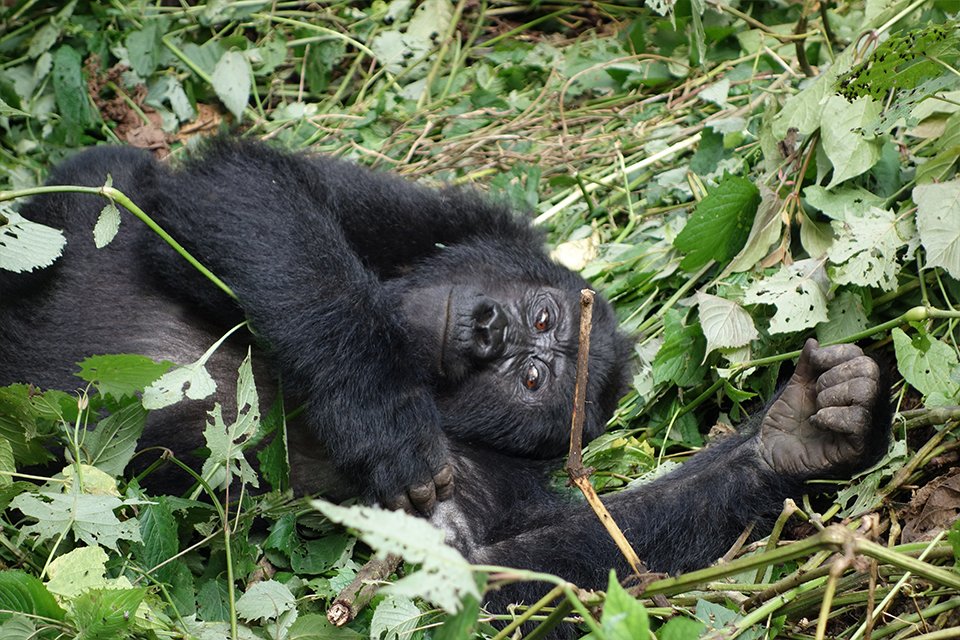
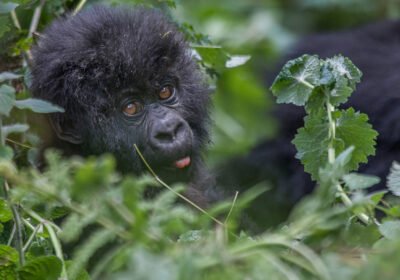
The history of Rwanda’s gorilla habituation is deeply rooted in the groundbreaking work of Dr. Dian Fossey, whose research revolutionized the world’s understanding of mountain gorillas and contributed to their survival. While gorilla trekking in Uganda also owes much to international research, Rwanda’s long-term habituation efforts began earlier and became the foundation for the region’s conservation success.
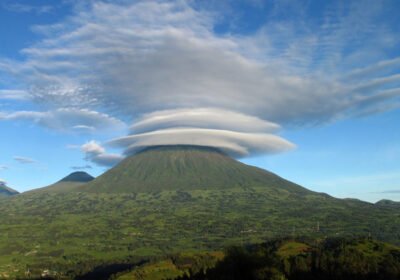
Dian Fossey established the Karisoke Research Center in 1967 between Mount Karisimbi and Mount Bisoke. Her initial work focused on studying gorilla behavior, social dynamics, nesting habits, and communication. At the time, mountain gorillas were poorly understood and threatened by poaching, habitat destruction, and civil conflict.
Fossey pioneered the process of habituation, the gradual introduction of humans to gorilla families in a controlled, ethical way. She emphasized patience, non-intrusive observation, and respect for gorillas’ natural behaviors. This approach set the stage for modern gorilla tourism. Habituation made it possible for researchers—and later tourists—to observe gorillas safely and meaningfully.
Her most important contribution was raising global awareness about gorilla conservation. Her book Gorillas in the Mist and the subsequent film brought worldwide attention to the plight of mountain gorillas. Rwanda’s tourism industry still honors her legacy through conservation education, gorilla monitoring programs, and the continued work of the Dian Fossey Gorilla Fund.
After Fossey’s death in 1985, her research center continued to operate and expand. The habituation techniques she developed evolved into Rwanda’s structured tourism system, contributing to the recovery of the mountain gorilla population from fewer than 300 individuals in the 1980s to over 1,060 today.
Rwanda’s habituation process is more centralized and scientifically coordinated than many other destinations. Trackers and researchers monitor gorillas daily, recording births, deaths, injuries, social changes, feeding patterns, and nesting behaviors. This information helps ensure safe, ethical trekking experiences. While Uganda gorilla trekking also involves careful habituation, Uganda’s gorilla families are distributed across the massive Bwindi Forest, requiring more decentralized management.
Rwanda’s habituation history is also intertwined with community conservation. Fossey helped initiate anti-poaching patrols, which continue today through government, community, and NGO efforts. The mountain gorilla’s survival is a direct result of these long-term strategies.
In 2022, the Ellen DeGeneres Campus of the Dian Fossey Gorilla Fund opened near Volcanoes National Park, expanding research, education, and conservation capacity. Visitors can learn about gorilla biology, conservation challenges, and Fossey’s lasting legacy.
In conclusion, Rwanda’s gorilla habituation history is a powerful story of scientific innovation, dedication, and conservation success. Dian Fossey’s impact continues to shape gorilla trekking today, offering travelers an intimate, ethical, and deeply meaningful connection with the world’s remaining mountain gorillas.