







What Makes Rwanda’s Gorilla Encounters Emotionally Powerful for First-Time Visitors
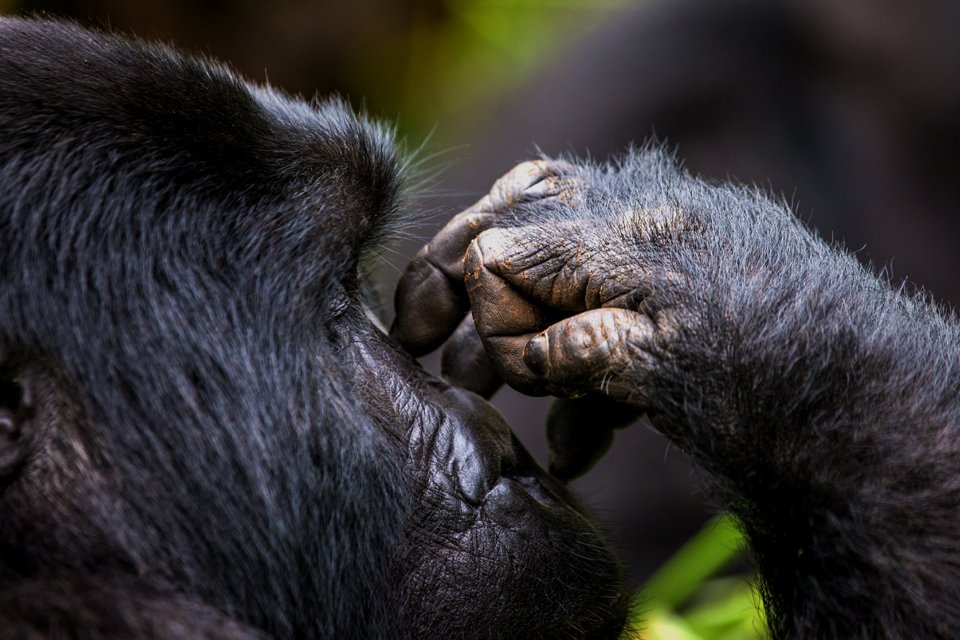
Gorilla trekking in Rwanda is often described as one of the most emotionally powerful wildlife experiences in the world. First-time visitors frequently report feeling awe, humility, and an overwhelming sense of connection during their hour with the mountain gorillas. While gorilla trekking in Uganda evokes similar emotions, Rwanda’s unique mix of terrain, visibility, conservation ethos, and gorilla behavior contributes to a particularly profound encounter.
The emotional journey begins long before reaching the gorillas. Rwanda’s volcanic landscapes create a dramatic, mystical atmosphere. Trekkers walk through mist-filled forests, volcanic slopes, and towering bamboo corridors—environments that feel ancient and sacred. This scenery builds anticipation and awakens a sense of wonder that sets the stage for the emotional encounter.
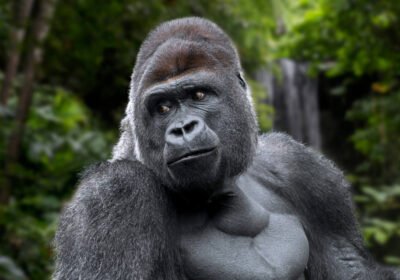
When visitors finally reach the gorilla family, the sight often exceeds all expectations. Rwanda’s open forest habitat allows for clear, unobstructed views, making the initial moment breathtaking. Seeing a silverback’s massive presence or watching juveniles tumble playfully instantly evokes a deep emotional response. In Uganda’s dense rainforest, visibility can be more limited, creating a different but equally powerful encounter.
Another reason the experience feels profound is the gorillas’ calm, gentle behavior. Long-term habituation has made Rwanda’s gorillas comfortable around humans. They continue feeding, grooming, and nurturing infants without stress, allowing visitors to observe intimate family moments. First-time trekkers are often moved by the tenderness shown between mothers and infants or the protective but peaceful demeanor of the silverback.
The shared DNA between humans and gorillas becomes strikingly evident. Their expressive eyes, familiar gestures, and social bonds evoke a powerful sense of kinship. Many visitors describe feeling as though they are looking into a mirror of humanity’s evolutionary past. This emotional recognition is a unique hallmark of gorilla trekking.
Rwanda’s strict conservation rules enhance the encounter’s meaning. The one-hour viewing limit, porter support, limited group sizes, and health protocols emphasize respect and responsibility. This ethical framework reassures visitors that their presence supports rather than harms gorilla welfare. Knowing that gorilla trekking helps fund conservation and community development deepens the emotional impact.
Visitors often experience a profound sense of gratitude—gratitude for the privilege of observing such rare animals, gratitude for Rwanda’s conservation achievements, and gratitude for the rangers who risk their lives to protect the species.
The post-trek reflection also heightens emotional depth. Many lodges have fireplaces, scenic terraces, or private decks where visitors sit in silence, absorbing the day’s experience. Couples, families, and solo travelers often describe the trek as life-changing—one of those rare moments when time seems to stand still.
In conclusion, Rwanda’s gorilla encounters are emotionally powerful because they combine breathtaking landscapes, exceptional visibility, deep evolutionary connection, ethical tourism, and the remarkable behavior of mountain gorillas. While gorilla trekking in Uganda offers its own magic, Rwanda provides a uniquely cinematic and emotionally resonant experience that touches even the most seasoned travelers.