

Gorilla trekking is widely regarded as one of Africa’s most transformative wildlife experiences, and choosing between gorilla trekking in Uganda and Rwanda is an important decision for travelers planning a rainforest adventure. While both countries protect mountain gorillas and deliver world-class trekking encounters, each destination offers a distinctly different experience. These differences are shaped by terrain, accessibility, cost, atmosphere, and overall travel style. Understanding these contrasts allows travelers to choose the destination that best aligns with their expectations, fitness level, and budget.
Gorilla Trekking Environment and Terrain
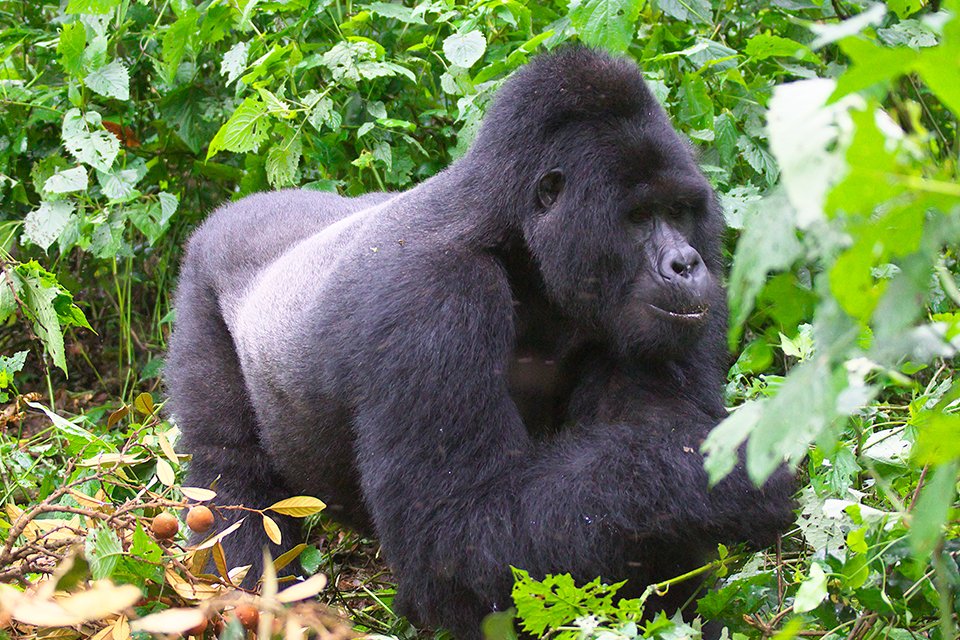
To begin with, gorilla trekking in Uganda is often described as more rugged, adventurous, and immersive. Uganda’s two gorilla trekking destinations—Bwindi Impenetrable National Park and Mgahinga Gorilla National Park—offer diverse and challenging landscapes. Bwindi, in particular, is known for its steep valleys, dense vegetation, and winding forest trails. Treks here often feel like true jungle expeditions, where the forest is thick and visibility is limited. As a result, a strong sense of wilderness is experienced throughout the trek, which appeals greatly to adventure-oriented travelers.
In contrast, gorilla trekking in Rwanda takes place in Volcanoes National Park, where the terrain is more open and dominated by bamboo forests and volcanic slopes. Because the vegetation is less dense, trekkers often feel less enclosed, and visibility is improved. Additionally, Rwanda’s trekking system is highly structured, and operations are managed with exceptional efficiency. This refined approach makes the experience feel smoother and more predictable for visitors.
Permit Costs and Overall Value
Another key consideration is cost. Uganda gorilla trekking permits are significantly more affordable than those in Rwanda, making Uganda a preferred option for budget-conscious travelers. This lower cost often allows visitors to extend their itineraries, adding experiences such as chimpanzee trekking in Kibale Forest, safaris in Queen Elizabeth National Park, or boat cruises on the Nile.
Rwanda, on the other hand, positions itself as a premium destination. Although permit prices are higher, revenues are heavily reinvested into conservation, community development, and high-end tourism infrastructure. As a result, Rwanda appeals to travelers who value exclusivity and are comfortable paying more for a polished experience.
Trekking Duration and Physical Demands
The trekking style also differs noticeably. In Uganda, trekking times are highly variable. Because gorillas live deep within mountainous rainforest, treks can last anywhere from two to eight hours, depending on daily movement. This unpredictability adds excitement and challenge, which is often appreciated by physically active travelers.
Rwanda’s treks are often shorter, though this is not guaranteed. Some gorilla families range high on volcanic slopes, where longer hikes may still be required. Nevertheless, trekking in Rwanda is generally considered less demanding overall.
Photography and Scenic Appeal
Photography conditions also influence traveler choice. Uganda’s Bwindi offers dramatic jungle scenery, misty valleys, and rich forest textures, though lighting can be limited under the dense canopy. Rwanda, with its open bamboo zones and sweeping volcano views, provides brighter conditions and more space for capturing gorilla behavior. Both destinations offer outstanding photographic opportunities, but the visual mood differs significantly.
Accessibility and Travel Style
Finally, travel logistics play a major role. Volcanoes National Park is located just two to three hours from Kigali International Airport, making Rwanda ideal for short trips. Uganda’s gorilla parks require longer travel times by road or domestic flights, making them better suited for extended itineraries.
Conclusion
In summary, travelers seeking affordability, adventure, diverse landscapes, and deep immersion often choose gorilla trekking in Uganda, while those prioritizing convenience, premium comfort, and shorter travel times gravitate toward Rwanda. Both destinations deliver unforgettable gorilla encounters, and the best choice ultimately depends on the kind of journey a traveler wishes to experience.