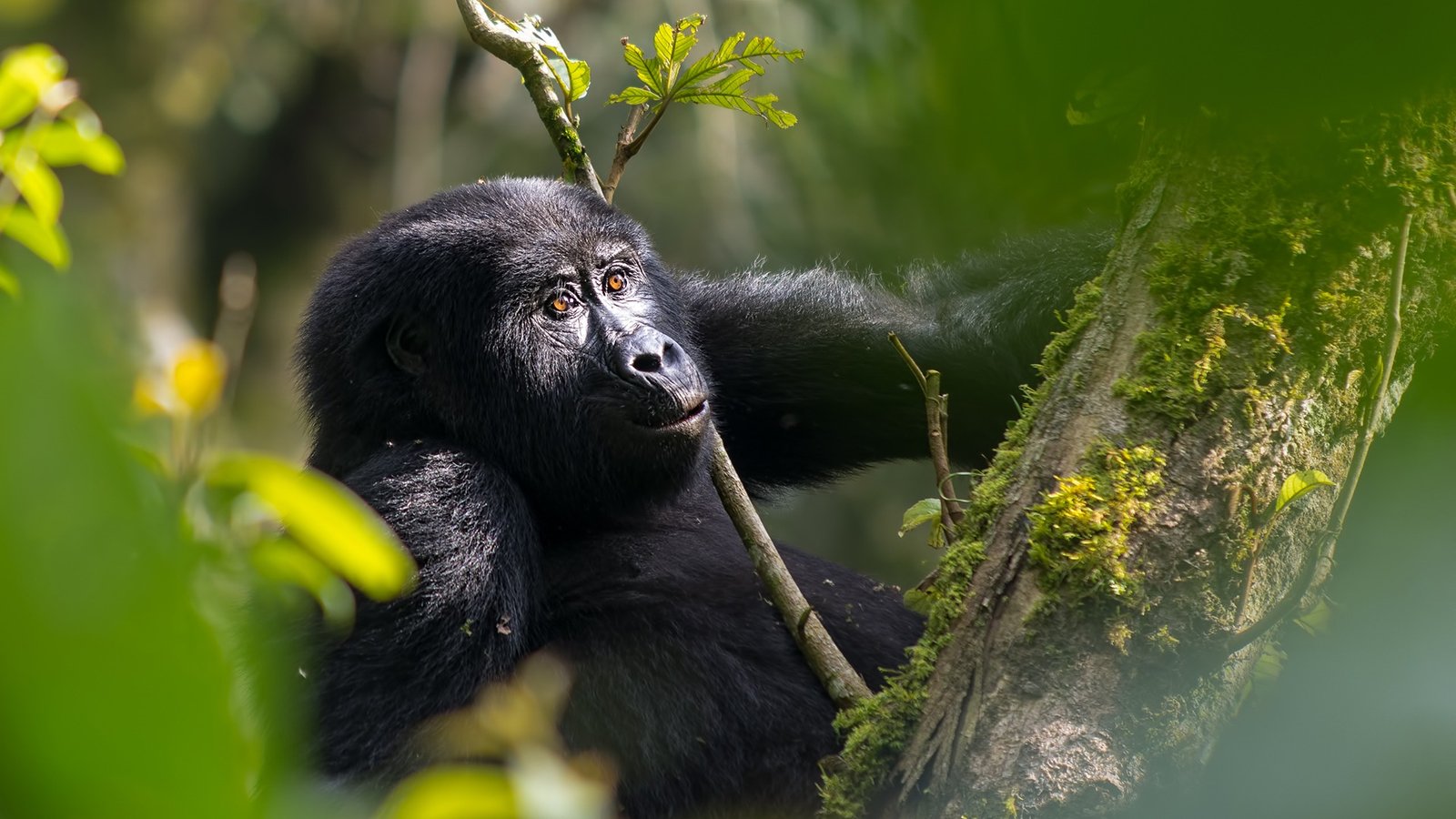
Mountain gorillas are one of the greatest conservation success stories in Africa, yet they remain among the world’s most vulnerable species. Anyone participating in uganda gorilla safaris, rwanda gorilla safaris, or any guided gorilla trekking experience benefits from decades of dedicated work by conservationists, governments, and local communities. Despite population increases in recent years, mountain gorillas still face several significant threats that require constant attention. Understanding these challenges deepens the appreciation travelers feel when embarking on gorilla safaris and highlights how vital tourism is to securing their future.
One of the largest threats to mountain gorillas is habitat loss. The forests of Bwindi Impenetrable National Park in Uganda and Volcanoes National Park in Rwanda sit within some of the most densely populated rural regions of East Africa. Local communities depend heavily on land for agriculture, livestock, and firewood, putting pressure on forest boundaries. Because mountain gorillas cannot survive outside their natural habitat, the shrinking or disturbance of these forests directly affects their survival. Conservation programs now focus on promoting sustainable livelihoods, developing buffer zones, and educating communities about the long-term value of protecting gorilla habitats—efforts directly supported by revenue from uganda gorilla safaris and rwanda gorilla safaris.
Another critical challenge is the risk of disease transmission. Mountain gorillas share approximately 98% of their DNA with humans, making them highly susceptible to respiratory infections and other human-borne illnesses. Even a simple flu can be deadly to a gorilla family. The increasing popularity of gorilla trekking in both Uganda and Rwanda brings travelers into close proximity with gorillas, which necessitates strict health and safety measures. Rangers enforce a minimum seven- to ten-meter distance rule, mandatory mask-wearing in some seasons, and strict protocols ensuring that sick travelers do not participate in treks. Veterinary teams, such as the Gorilla Doctors, play a crucial role by monitoring gorilla health, conducting medical interventions, and researching disease patterns to minimize these risks.
Poaching, although significantly reduced, still poses a threat to gorillas and other wildlife. While mountain gorillas are rarely targeted directly, snares set for bushmeat species can injure or kill gorillas unintentionally. Anti-poaching patrols conducted by park rangers, community scouts, and cross-border collaboration teams have drastically reduced poaching incidents in the gorilla parks, but the threat remains. Revenue from gorilla safaris helps fund patrols, purchase surveillance equipment, and support ranger welfare programs, ensuring that these enforcement teams remain strong and motivated.
Human–wildlife conflict also affects gorilla conservation. As gorilla populations grow and habitats remain limited, gorillas sometimes venture outside protected areas into community farmlands, damaging crops and creating tension with local residents. Community conservation programs now work to mitigate conflict by teaching locals how to manage crop raiding, offering compensation schemes, and providing alternative income opportunities tied to uganda gorilla safaris and rwanda gorilla safaris. The long-term vision is to ensure communities see gorillas as valuable allies rather than competitors for resources.
Climate change further complicates conservation work. Altered rainfall patterns affect food availability, forest composition, and habitat stability. As the forest ecosystem shifts, gorillas may need to travel farther for food or adapt to changing vegetation. Researchers continuously study ecological changes to help guide adaptive conservation strategies in both Uganda and Rwanda. Gorilla tourism revenue—generated through gorilla safaris—funds much of this research, highlighting again how deeply tourism is interwoven with conservation success.
One of the most innovative conservation strategies has been transboundary collaboration between Uganda, Rwanda, and the Democratic Republic of Congo. Although each country manages its own gorilla population, gorillas frequently cross borders, especially within the Virunga Massif. This requires shared patrols, synchronized monitoring, shared data systems, and enhanced diplomatic cooperation. Joint conservation initiatives enhance security, reduce poaching, and support long-term population stability across regions. These efforts are strengthened by the financial contributions from travelers booking rwanda gorilla safaris or exploring the gorilla families of Bwindi during uganda gorilla safaris.
Community involvement remains the backbone of long-term gorilla conservation. Recognizing that local people hold the key to protecting these forests, Uganda and Rwanda channel a portion of gorilla permit revenue directly into community development. Schools, clinics, roads, clean water systems, and job creation programs all stem from gorilla tourism. When communities benefit, they become passionate protectors of the gorillas. This community-driven conservation model explains why gorilla trekking remains one of the world’s most successful examples of wildlife tourism funding long-term species protection.
Despite these challenges, mountain gorilla populations have grown steadily over the past decade, thanks to continuous and well-funded conservation programs. The future of gorillas depends on ongoing tourism, scientific research, strong ranger presence, and global awareness. Travelers who participate in uganda gorilla safaris or rwanda gorilla safaris play an essential role in sustaining these efforts. Every permit purchased supports ranger salaries, veterinary programs, community projects, and habitat protection.
Ultimately, gorilla safaris in East Africa are more than extraordinary wildlife encounters—they are a lifeline for the survival of mountain gorillas. By understanding the threats gorillas face and the conservation work underway, travelers develop a deeper appreciation of the privilege of meeting these magnificent primates in the wild and the critical responsibility of helping protect them.