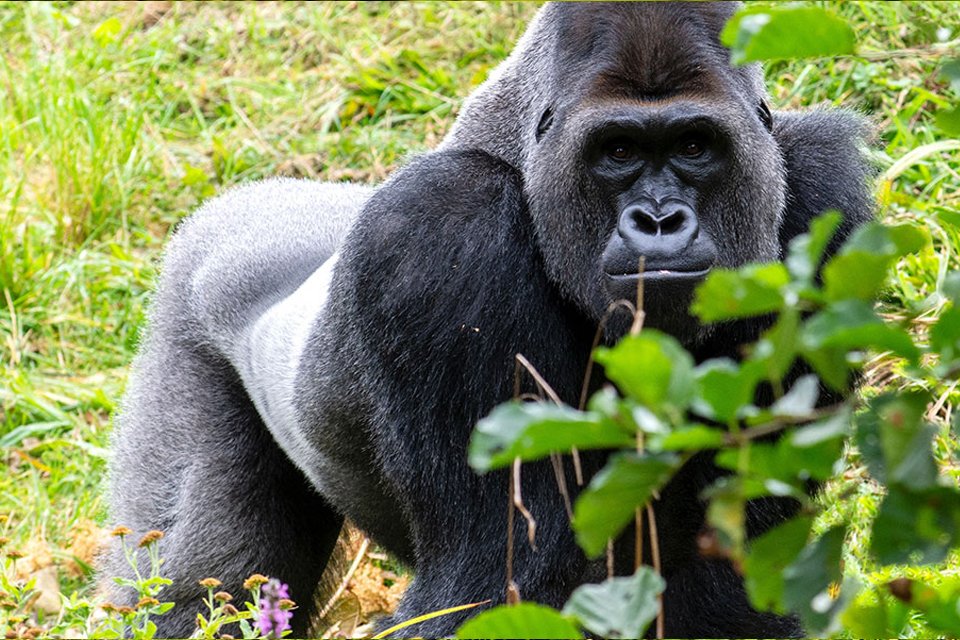
Eco-tourism plays a central role in ensuring that Uganda gorilla safaris, Rwanda gorilla safaris, and all forms of gorilla trekking remain sustainable for future generations. Mountain gorillas are highly sensitive and endangered great apes, and their survival depends on carefully balanced conservation systems. These systems are supported by wildlife authorities, researchers, rangers, local communities, and visitors. Every traveler who enters Bwindi, Mgahinga, or Volcanoes National Park becomes part of this conservation chain. When travel choices are made responsibly, gorilla habitats are protected, communities are supported, and the long-term future of gorilla safaris is strengthened.
Choosing Ethical Tour Operators
One of the most effective eco-tourism strategies begins with selecting ethical tour operators. Responsible operators prioritize conservation, follow Leave-No-Trace principles, employ local guides, and contribute directly to wildlife protection programs. Companies specializing in Uganda gorilla safaris and Rwanda gorilla safaris are expected to follow park regulations strictly while educating travelers about conservation responsibilities. When ethical operators are chosen, gorilla trekking experiences are delivered in ways that minimize harm and maximize long-term benefits for people and wildlife.
Respecting Gorilla Trekking Guidelines
Equally important is strict adherence to park rules during gorilla trekking. These guidelines exist to protect both gorillas and visitors. A safe distance must be maintained, sudden movements avoided, and ranger instructions followed at all times. Masks are worn when required, and trekking is avoided if illness is present, as even minor human infections can be fatal to gorillas. These rules are enforced so that stress and disease risks are reduced, ensuring that gorilla safaris remain ethical and sustainable.
Reducing Environmental Impact
Eco-tourists are also encouraged to minimize their environmental footprint. Gorilla habitats are fragile, and careless behavior can damage vegetation or accelerate erosion. Travelers are expected to stay on designated trails, avoid littering, and reduce plastic use. Reusable water bottles, biodegradable toiletries, and eco-friendly snacks are increasingly recommended. Many lodges near gorilla parks now operate using solar power, water filtration systems, and low-impact construction. By choosing such accommodation, travelers further reinforce sustainability around gorilla safaris.
Supporting Local Communities
Supporting surrounding communities is another powerful conservation strategy. Hiring local porters, purchasing handmade crafts, and participating in village experiences ensure tourism income reaches families living near gorilla habitats. When communities benefit directly from Uganda gorilla safaris and Rwanda gorilla safaris, reliance on forest resources is reduced. As a result, local people become committed guardians of gorillas rather than competitors for land, strengthening conservation outcomes.
Contributing to Conservation Programs
Travelers may also support sustainability by contributing to conservation organizations and projects. Veterinary teams, ranger patrols, research institutions, and reforestation initiatives rely heavily on tourism revenue and donations. Whether through direct contributions or long-term support after returning home, visitors help maintain the systems that protect mountain gorillas.
Thoughtful Preparation and Travel Timing
Eco-friendly packing further supports conservation goals. Biodegradable sunscreen, durable trekking gear, and appropriate footwear help protect ecosystems while improving safety. In addition, traveling during shoulder seasons helps reduce crowding, eases pressure on gorilla families, and distributes tourism income more evenly throughout the year.
Education and Awareness
Learning about gorilla behavior, conservation challenges, and community dynamics deepens appreciation for the experience. Educated travelers often become ambassadors for conservation, sharing knowledge and raising awareness long after their safari ends.
Conclusion
In conclusion, eco-tourism gives travelers the power to protect the species they come to see. By choosing ethical operators, respecting trekking rules, reducing environmental impact, supporting communities, and contributing to conservation programs, visitors become active partners in safeguarding mountain gorillas. Sustainable gorilla safaris do more than create unforgettable memories—they ensure a future where wildlife and people thrive together.