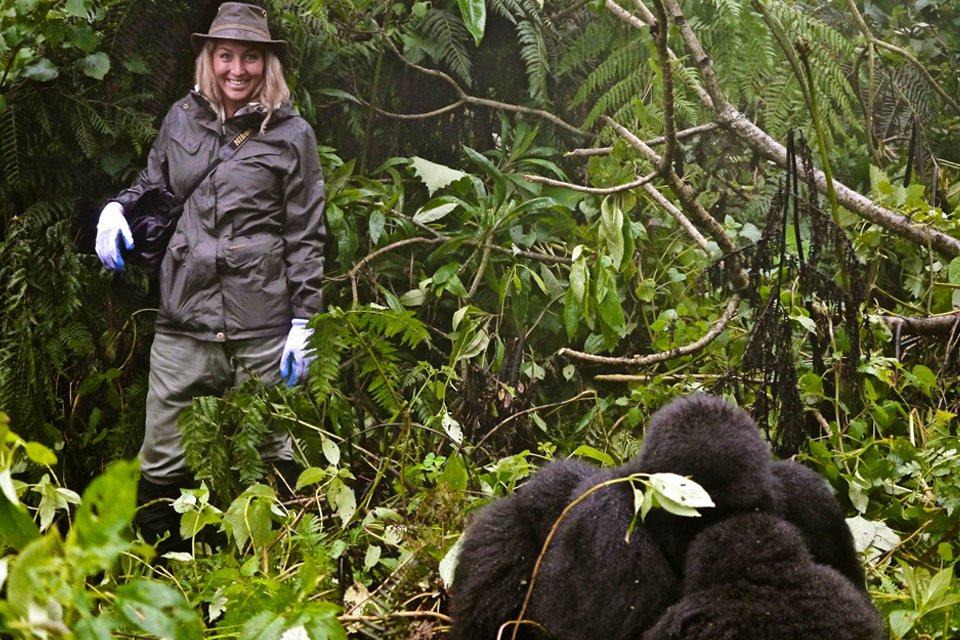
Community tourism experiences in Bwindi Impenetrable National Park play a vital role in ensuring that gorilla trekking in Uganda benefits both wildlife and the people living alongside the forest. Beyond the unforgettable encounter with mountain gorillas, these initiatives connect travelers directly with local communities, clearly demonstrating how uganda gorilla trekking supports livelihoods, education, healthcare, and long-term conservation efforts.
Connecting Gorilla Trekking with Local Life
Community-based activities around Bwindi include guided village walks, craft markets, cultural performances, farm visits, and storytelling sessions led by local residents. Through these experiences, visitors gain insight into everyday life in forest-edge communities and better understand the human dimension of conservation. As a result, gorilla trekking in Uganda becomes more than a wildlife activity; it becomes a shared journey between visitors and host communities.
For many travelers, this interaction adds emotional depth to their safari. Meeting the people whose lives are closely tied to Bwindi helps visitors see how tourism revenue directly shapes local development and conservation success.
Alternative Livelihoods and Conservation Support
Historically, communities surrounding Bwindi relied heavily on forest resources for survival. However, once the park was gazetted and gorilla trekking introduced, alternative income sources became essential. Community tourism initiatives now provide sustainable livelihoods that reduce dependence on the forest, thereby reinforcing conservation goals linked to uganda gorilla trekking.
Through guiding, craft production, cultural performances, and hospitality services, local residents earn income while actively supporting forest protection. This shift has strengthened community ownership of conservation and reduced human pressure on gorilla habitats.
Cultural Exchange and Economic Empowerment
Visitors who participate in community experiences often learn about traditional farming methods, food preparation, and local crafts. These hands-on interactions foster mutual respect and meaningful cultural exchange. Additionally, purchasing handmade products directly from artisans ensures that income flows straight to families, strengthening the tourism–conservation relationship that underpins gorilla trekking in Uganda.
Such exchanges allow travelers to contribute beyond permit fees, making their visit more personally impactful and socially responsible.
Education, Healthcare, and Visible Benefits
Many community tours highlight schools, health centers, and clean water projects funded through tourism revenue. These visible outcomes show how gorilla trekking in Uganda translates into real improvements in quality of life. For visitors, seeing these projects firsthand reinforces the value of conservation-based tourism and builds confidence that their travel choices are making a difference.
Communities as Conservation Partners
Community tourism also strengthens conservation awareness at the grassroots level. When local people experience direct benefits from gorilla trekking, they become active partners in protecting wildlife. This shared responsibility between communities, park authorities, and visitors is essential for the long-term success of uganda gorilla trekking.
Conclusion
In summary, community tourism experiences in Bwindi transform gorilla trekking in Uganda into a socially responsible and deeply meaningful journey. By supporting local families, cultural heritage, and conservation initiatives, travelers become part of a sustainable system that protects mountain gorillas while uplifting surrounding communities. This balance ensures that Bwindi Impenetrable National Park remains a thriving landscape for both people and wildlife for generations to come.
Community experiences include village walks, craft markets, cultural performances, farm visits, and storytelling sessions led by local residents. These activities provide visitors with insight into daily life around Bwindi and show how tourism revenue contributes to development. For travelers, this human connection adds depth to gorilla trekking in Uganda by revealing the broader impact of their visit.
Local communities surrounding Bwindi once relied heavily on forest resources for survival. With the introduction of protected areas and gorilla trekking, alternative livelihoods became essential. Community tourism initiatives provide income opportunities that reduce pressure on the forest, reinforcing conservation goals linked to uganda gorilla trekking.
Visitors participating in community experiences often learn about traditional farming, food preparation, and crafts. These interactions foster mutual respect and cultural exchange while supporting small-scale enterprises. Purchasing local products directly benefits families and strengthens the tourism-conservation relationship.
Education and healthcare projects funded through community tourism are frequently highlighted during visits. Schools, clinics, and clean water initiatives supported by gorilla trekking in Uganda demonstrate tangible benefits of conservation-based tourism. Seeing these outcomes helps travelers understand how their participation contributes to positive change.
Community tourism also strengthens conservation awareness. When communities see direct benefits from gorilla trekking, they become active partners in protecting wildlife. This shared responsibility is essential for the long-term success of uganda gorilla trekking.
In summary, community tourism experiences in Bwindi transform gorilla trekking in Uganda into a socially responsible journey. By supporting local families and conservation initiatives, travelers become part of a sustainable system that protects gorillas while uplifting communities, ensuring Bwindi remains a thriving landscape for generations to come.