



Why Gorilla Treks in Bwindi Are Easier in the Dry Season and Harder in the Wet Season Months?
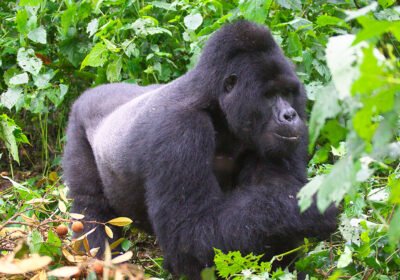
Bwindi Impenetrable National Park is one of the most iconic destinations for uganda gorilla trekking, offering travelers the chance to encounter rare mountain gorillas in their natural rainforest habitat. However, the timing of your trek significantly affects the ease, comfort, and overall experience. Bwindi experiences distinct dry and wet seasons, and understanding how these periods influence trail conditions, gorilla behavior, and trekking challenges can make a major difference for your gorilla trekking in Uganda adventure.
1. Bwindi’s Rainfall Patterns and Seasonal Overview
Bwindi’s location in southwestern Uganda, near the equator and at high altitudes, results in a unique tropical rainforest climate. Rain falls throughout the year, but there are two main wet seasons (March–May and September–November) and two dry seasons (June–August and December–February).
- Dry seasons: Trails are generally firm, less slippery, and easier to navigate. Daytime temperatures are moderate, humidity is lower, and rainfall is minimal, making trekking safer and more enjoyable.
- Wet seasons: The forest receives frequent showers, creating muddy and slippery trails, swollen streams, and dense vegetation growth. These conditions increase the physical demands of gorilla trekking in Uganda and require trekkers to be more prepared.
2. How Dry Seasons Make Gorilla Treks Easier
The dry seasons—particularly June to August and December to February—are considered the most favorable months for uganda gorilla trekking for several reasons:
a. Firmer and Safer Trails
Without frequent rainfall, the park’s trails are much more stable. Slopes, river crossings, and steep forest paths are easier to traverse, reducing the risk of slips and falls. This makes dry-season treks accessible to a wider range of travelers, including first-timers and families.
b. Less Dense Vegetation
During dry periods, vegetation grows more slowly. Thick vines, nettles, and undergrowth are less obstructive, which allows trekkers to move faster and observe gorillas more easily. The reduced density also enhances visibility, improving both wildlife viewing and photography.
c. Better Weather Predictability
The mornings are generally clear and cool, with minimal rainfall and reduced fog. Stable weather allows guides to plan and complete treks efficiently, ensuring trekkers have the full one-hour experience with the gorillas.
d. Comfortable Temperatures
Dry-season temperatures in Bwindi are more moderate, with less humidity and cooler mornings. Trekking in high humidity during the wet season can be physically exhausting, especially on steep or prolonged trails.
3. Why Wet Seasons Make Gorilla Treks Harder
The wet months—March to May and September to November—present several challenges that increase trekking difficulty:
a. Slippery and Muddy Terrain
Heavy rains saturate Bwindi’s soil, making trails slippery and treacherous. Steep slopes, riverbanks, and ridge trails require careful navigation. Trekking poles and sturdy boots become essential during these months.
b. Swollen Rivers and Stream Crossings
Some trekking paths cross small rivers and streams. During wet periods, these water bodies can swell, making crossings difficult and sometimes requiring detours. This increases the physical demands and length of the trek.
c. Dense Forest Vegetation
Rain accelerates plant growth, resulting in thick underbrush that slows movement and obscures visibility. Trekking through dense vegetation requires extra energy and can be frustrating for first-time trekkers.
d. Reduced Visibility and Low Light
Wet conditions often bring heavy mist, cloud cover, and rain showers, which limit light penetration in the forest. This affects not only the trek but also gorilla photography, making it harder to capture clear images during the one-hour encounter.
e. Change in Gorilla Movement
Gorillas often move to lower forest areas during wet months, closer to bamboo and other abundant vegetation. While this sometimes shortens the trek, it can also concentrate gorillas in dense areas where movement is harder, or visibility is limited.
4. Preparing for Wet-Season Gorilla Treks
Though trekking is harder during the wet months, it is by no means impossible. Prepared travelers can still enjoy gorilla trekking in Uganda with some careful planning:
- Use waterproof boots with good grip.
- Wear breathable rain jackets or ponchos.
- Pack gloves for navigating vines and slippery slopes.
- Bring waterproof bags for cameras, phones, and documents.
- Trekking poles can help maintain balance on muddy trails.
Many travelers also enjoy the wet season for its quieter trails, fewer tourists, and lush forest scenery, which can create a magical rainforest experience despite the physical challenges.
5. Seasonal Choice: Ease vs. Atmosphere
Dry-season treks prioritize comfort, easier navigation, and predictable conditions, making them ideal for first-time trekkers, families, or anyone concerned about physical strain. Wet-season treks, while more physically demanding, offer:
- Fewer crowds on trails
- Lush green landscapes
- Abundant wildlife, including gorillas in feeding zones
- Dramatic mist and fog for photography
Ultimately, the choice between dry and wet seasons depends on personal preferences and tolerance for physically challenging conditions.
6. Conclusion
Understanding how Bwindi’s weather seasons affect trail conditions is essential for a successful uganda gorilla trekking adventure. Dry seasons provide easier, safer, and more predictable treks, while wet seasons present muddy trails, dense vegetation, and additional physical challenges. Both seasons offer unique rewards, from comfortable hikes to lush rainforest scenery, but preparation is key. With the right gear, mindset, and guidance, gorilla trekking in Uganda can be unforgettable in any season.