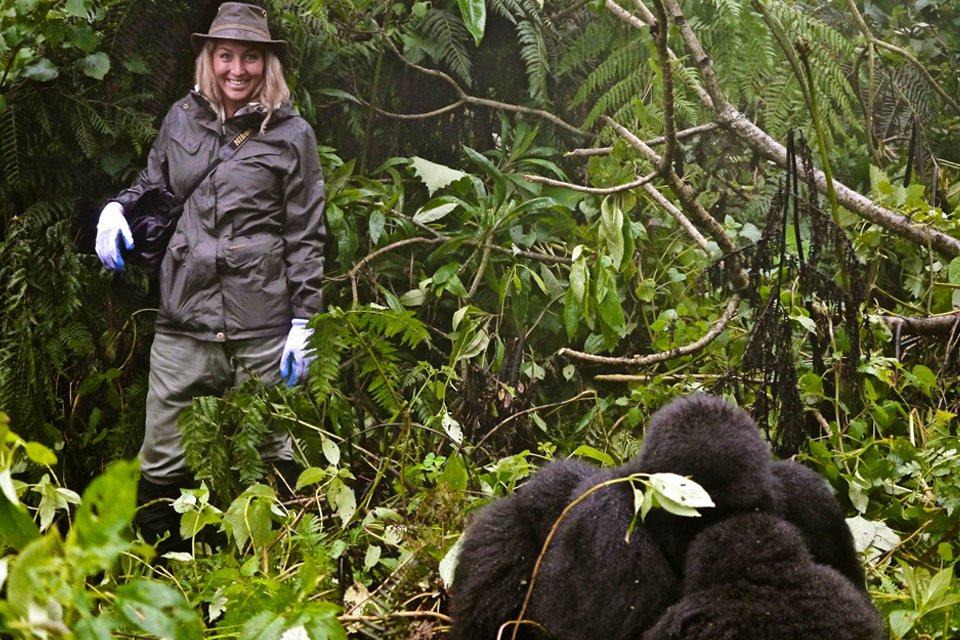
A gorilla trekking day begins very early, often well before sunrise, as anticipation builds for one of Africa’s most extraordinary wildlife encounters. Most lodges serving gorilla trekking safaris in Uganda and Rwanda provide early breakfasts, ensuring trekkers are well prepared for the physically and emotionally demanding day ahead. By around 7:00 AM, all visitors must arrive at the designated park headquarters for the mandatory briefing session, which forms the foundation of the entire trekking experience.
This early start is essential because gorillas move freely through the forest, and tracking conditions are best in the cool morning hours. As a result, careful preparation is emphasized from the very beginning.
Park Briefing and Group Allocation
The morning briefing is considered the heart of gorilla trekking in Uganda and Rwanda. During this session, park rangers explain trekking rules, forest etiquette, safety procedures, and acceptable behavior around gorillas. Topics such as maintaining distance, avoiding sudden movements, and respecting gorilla space are clearly outlined to ensure both visitor safety and gorilla welfare.
At this stage, trekkers are assigned to specific gorilla families. Assignments are made based on fitness level, age, and personal preferences whenever possible. Meanwhile, trackers who left the forest at dawn communicate via radio, sharing updates on where the gorillas nested the previous night. This information helps guides plan the most suitable trekking routes for each group.
Entering the Forest: The Trek Begins
By approximately 8:00 AM, trekking officially begins. Visitors set off on foot accompanied by experienced guides, armed rangers, trackers, and optional porters. The journey leads through dense rainforest, bamboo zones, muddy trails, valleys, and steep hills. Depending on gorilla movement, the trek may last as little as one hour or extend to several hours.
Along the way, fresh gorilla signs such as dung, broken vegetation, or footprints are often pointed out. Additionally, guides interpret forest life, explaining medicinal plants, bird calls, and other wildlife encountered en route. Gradually, excitement builds as trackers confirm the gorillas are close.
One Magical Hour with the Gorillas
Once the gorilla family is located, visitors are allowed exactly one hour in their presence. This rule is strictly enforced to minimize stress on the gorillas. During this unforgettable hour, travelers observe natural behaviors such as feeding, grooming, play, and social interaction.
Silverbacks may be seen calmly supervising their families, while infants tumble through the undergrowth. Quiet awe often replaces words, as this moment becomes the emotional highlight of gorilla safaris in Uganda and Rwanda. Throughout the encounter, rangers closely monitor both gorilla behavior and visitor positioning to ensure safety and comfort.
The Return Trek and Certificate Ceremony
After the hour ends, groups are gently guided away, and the return hike begins. Depending on terrain and location, the walk back may be easier or more challenging than the initial approach. However, the sense of accomplishment makes the journey deeply rewarding.
By early afternoon, most trekkers return to the park headquarters, where certificates of achievement are presented. This symbolic recognition marks the completion of a life-changing experience.
A Day That Leaves a Lasting Impact
As the day concludes, travelers often reflect on the privilege of sharing space with mountain gorillas. Gorilla trekking is not only an adventure but also a powerful reminder of conservation success and shared responsibility. Long after the forest fades from view, the memory of that single hour remains vivid, humbling, and unforgettable.