Introduction
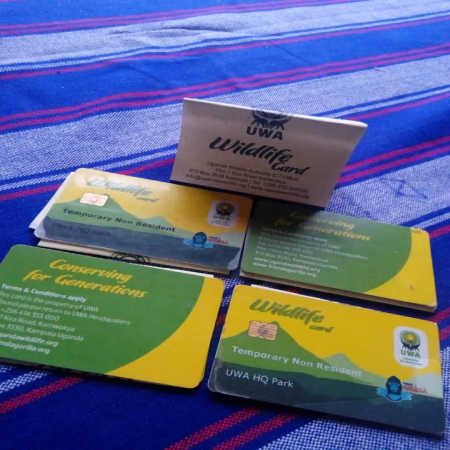
Securing gorilla trekking permits is one of the most important steps in planning successful Uganda gorilla trekking. Before setting foot in the mist-covered forests of Bwindi Impenetrable National Park or Mgahinga Gorilla National Park, every visitor must first obtain a permit authorized by the Uganda Wildlife Authority. These permits regulate visitor access to endangered mountain gorillas while supporting conservation efforts and community development.
Because gorilla permits are limited and demand remains high throughout the year, understanding how the booking process works is essential. From choosing the right trekking sector to deciding whether to book through a tour operator or directly with authorities, each step affects the quality of your Uganda gorilla trekking experience. Proper planning ensures not only permit availability but also a smoother, more rewarding adventure in one of Africa’s most extraordinary wildlife destinations.
Table of Contents
Understanding Why Gorilla Permits Are Required
Gorilla trekking permits are far more than entry tickets. They are part of a carefully managed conservation system designed to protect mountain gorillas and their fragile habitat. Since mountain gorillas remain endangered, visitor numbers are tightly controlled to reduce stress on gorilla families, minimize disease transmission, and support sustainable tourism.
Each habituated gorilla family receives only a limited number of visitors per day, usually eight trekkers, allowing for intimate encounters while maintaining conservation standards. Revenue from permits contributes directly to gorilla protection, anti-poaching programs, park management, and support for local communities living around protected areas. For many travelers, purchasing a permit is not simply paying for an activity but actively contributing to conservation through Uganda gorilla trekking.
Choosing the Right Park for Uganda Gorilla Trekking
The first step in obtaining permits is deciding where you want to trek. Uganda offers gorilla trekking in two remarkable parks: Bwindi Impenetrable National Park and Mgahinga Gorilla National Park.
Bwindi is the most popular option and hosts the majority of Uganda’s habituated mountain gorillas. It is divided into four trekking sectors: Buhoma, Ruhija, Rushaga, and Nkuringo. Each sector offers different terrain, scenery, and gorilla families, giving travelers a range of trekking experiences.
Buhoma is often favored for accessibility and established lodges. Ruhija attracts birders and those seeking quieter trekking routes. Rushaga is known for multiple gorilla families and gorilla habituation experiences, while Nkuringo appeals to adventurous trekkers drawn to dramatic landscapes.
Mgahinga, though smaller, offers a more exclusive experience and is ideal for visitors wanting fewer crowds while combining gorilla trekking with golden monkey tracking. Selecting the right park and sector is a crucial early decision when planning Uganda gorilla trekking.
Selecting a Gorilla Family and Trekking Experience
After choosing a sector, many travelers consider what kind of gorilla experience they want. While park authorities assign gorilla groups based on fitness, logistics, and availability, understanding the character of different sectors can help shape your booking strategy.
Some visitors prioritize shorter hikes, while others seek more challenging treks for dramatic forest experiences. Wildlife photographers may prefer groups known for open visibility, while families or older travelers may favor sectors with potentially easier terrain.
Some travelers also pursue specialized experiences like the gorilla habituation experience in Rushaga, where visitors spend extended time observing semi-habituated gorillas. For travelers wanting something beyond standard Uganda gorilla trekking, this can be a compelling option.
When to Book Gorilla Trekking Permits
Timing is critical when securing permits. Gorilla permits operate on limited daily allocations and can sell out months in advance, particularly during peak travel seasons. High-demand periods typically include June through September and December through February, when weather conditions are generally favorable for trekking.
For standard travel periods, booking permits at least three to six months ahead is often recommended. For peak season travel, luxury lodges, or highly preferred sectors like Buhoma or Nkuringo, many travelers reserve permits much earlier.
Advance booking improves your chances of securing preferred dates, accommodations, and trekking sectors. Since permit availability often shapes an entire safari itinerary, many Uganda gorilla trekking trips begin with permit reservations before anything else is finalized.
Booking Directly Through Uganda Wildlife Authority
One option for obtaining permits is booking directly through the Uganda Wildlife Authority. This approach allows independent travelers to manage their own reservation process by contacting UWA, confirming availability, making payment, and receiving permit confirmation.
Booking directly offers greater control for travelers who prefer handling logistics independently. It can also allow direct coordination regarding sectors and travel dates.
However, the process requires close attention to availability, payment procedures, and permit confirmation details. Since permits are issued for specific dates and sectors, mistakes can affect an entire Uganda gorilla trekking itinerary. Travelers choosing this route should plan carefully and verify every detail.
Booking Through Tour Operators

For many travelers, booking through an accredited tour operator is the preferred and often easiest route. Experienced safari operators manage the permit process while coordinating transportation, accommodation, guides, and complete safari logistics.
This approach is particularly valuable for first-time visitors, international travelers, and anyone combining gorilla trekking with broader safari experiences. Tour operators can often advise which sectors suit your fitness level, travel style, or photography goals.
Another advantage is convenience. Rather than managing permits separately, travelers receive integrated safari planning with permits included. Many operators also monitor permit availability and can help secure alternatives if preferred dates are unavailable.
For many visitors, using a professional operator makes Uganda gorilla trekking simpler, more efficient, and less stressful.
Understanding Permit Costs and Conservation Value
Permit costs are an important part of planning Uganda gorilla trekking. Fees vary based on visitor category, such as international visitors, foreign residents, or East African citizens.
While permits represent a significant investment, the fees support much more than tourism access. Revenue funds gorilla conservation, ranger patrols, habitat protection, veterinary interventions, and community benefit programs.
Many travelers view the permit fee not simply as a tourism cost but as part of a larger conservation contribution. That perspective adds meaning to the experience, knowing the trek supports the survival of endangered mountain gorillas.
Budgeting for permit fees early is important because permits are generally non-refundable and often require advance payment.
Preparing After Securing Your Permit
Once your permit is confirmed, the next stage of planning begins. Accommodation should ideally be booked near your assigned trekking sector to minimize transfer times on trek morning.
Travelers should also prepare physically for trekking, pack appropriate gear, and review park regulations. Good hiking boots, rain protection, gloves, and layered clothing can significantly improve comfort during Uganda gorilla trekking.
Equally important is understanding gorilla encounter rules. Visitors must maintain safe distances, avoid sudden movement or loud noise, and follow ranger instructions at all times. These rules protect both visitors and gorillas.
Preparation after securing permits helps ensure the trek itself is smooth and enjoyable.
What Happens on Trek Day
On the day of the trek, visitors report to park headquarters early for registration and briefing. Rangers provide detailed instructions on safety, trekking conduct, and gorilla interaction protocols.
Groups are then assigned guides and gorilla families, often considering fitness levels and group dynamics. Trek duration varies depending on gorilla movements, ranging from a few hours to much longer forest hikes.
Once gorillas are located, visitors spend one unforgettable hour observing them in their natural habitat. For many travelers, this moment becomes the emotional highlight of Uganda gorilla trekking.
Because the permit grants access to this rare encounter, every step leading to trek day plays a vital role in the experience.
Why Early Permit Planning Matters
Many travelers underestimate how central permits are to safari planning. In reality, permits shape lodge selection, transportation routes, safari timing, and even broader Uganda itineraries.
Booking early creates flexibility, improves access to preferred sectors, and often leads to a more customized safari. It also reduces stress and avoids last-minute disappointments caused by limited availability.
For travelers serious about experiencing Uganda gorilla trekking at its best, permit planning should be the first priority, not an afterthought.
Conclusion
Obtaining a gorilla trekking permit is the foundation of every successful Uganda gorilla trekking adventure. Whether choosing Bwindi Impenetrable National Park or Mgahinga Gorilla National Park, securing permits early, selecting the right sector, and deciding whether to book directly or through a tour operator all shape the quality of the experience.
With careful planning, the permit process becomes straightforward and rewarding. More importantly, it opens the door to one of the most extraordinary wildlife encounters on earth—standing face to face with mountain gorillas in the forests of Uganda while contributing to their protection for generations to come.
