













Adapting to the Chill: Gorilla Sociality in the Cold Season
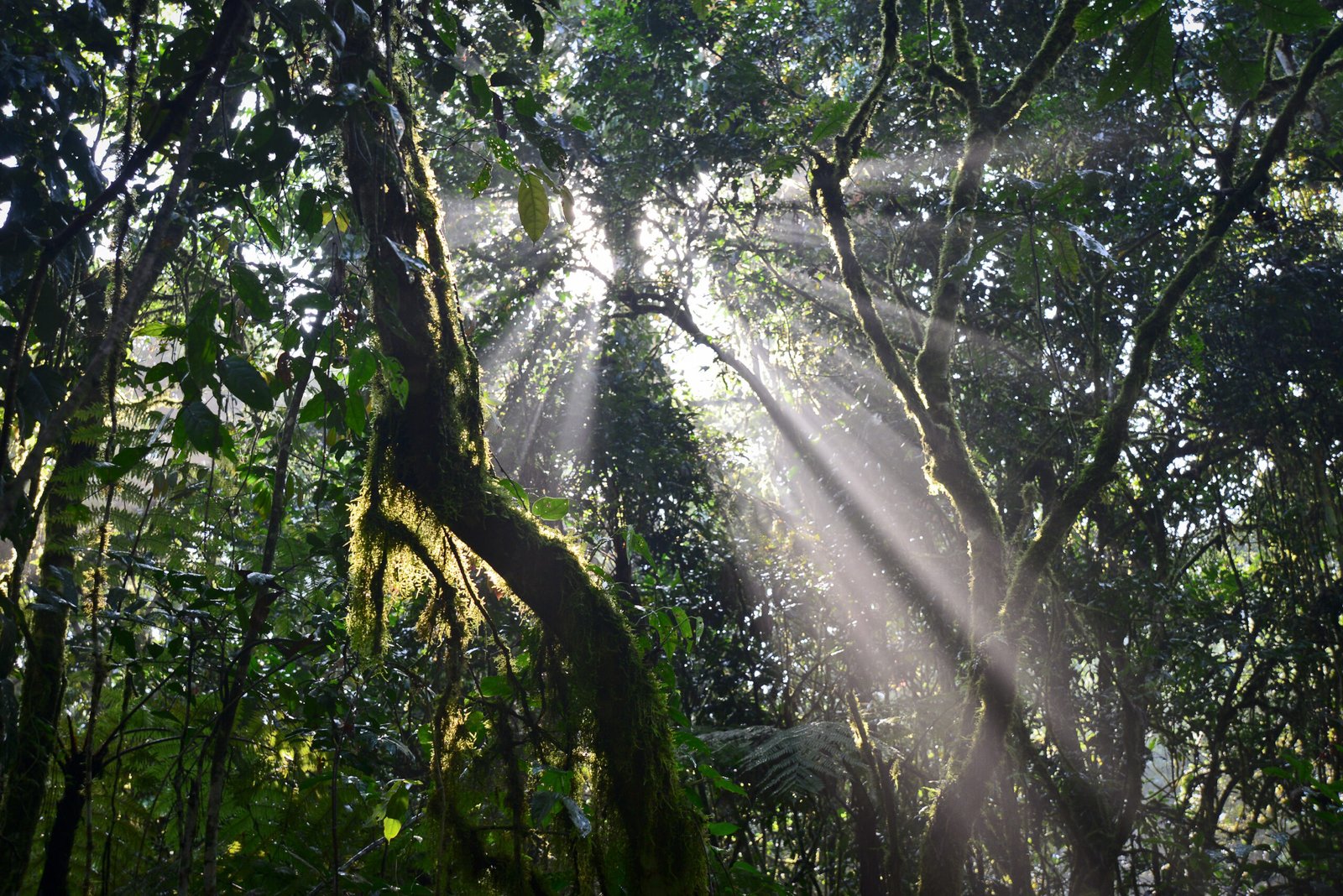
In Bwindi’s high-altitude environment, cold weather months—typically June to August and December to February—create a unique behavioral shift. As temperatures in sectors like Ruhija (2,300m+) can drop to 7°C, mountain gorillas adapt their social and physical routines. For travelers, these adjustments offer an intimate look at the group’s hierarchy and survival strategies.
Thermal Conservation and Group Dynamics
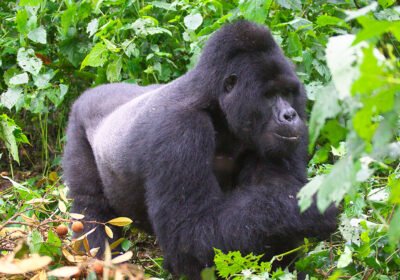
During the coldest mornings, gorillas prioritize heat retention over movement. You are likely to witness huddling behavior, where family members cluster tightly together.
- Intimate Portraits: This stationary behavior allows for exceptional photography of mothers cradling infants and juveniles seeking warmth from the dominant silverback.
- Social Cohesion: The physical proximity reinforces social bonds, offering a clearer view of the group’s “inner circle” compared to the active, spread-out foraging seen in warmer months.
Strategic Movement and Feeding
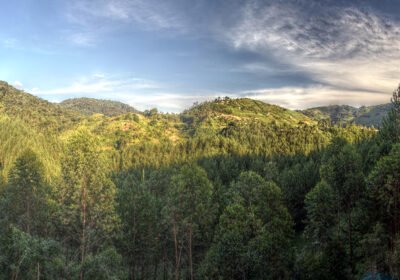
Cold air often sinks into Bwindi’s valleys, prompting gorilla families to seek out sunlit ridges or thermal pockets in the bamboo zones.
- Predictability: Trackers often find that groups remain in sheltered areas longer during cold snaps. This can lead to shorter trekking distances, as families are less likely to undertake long-range travel when trying to conserve energy.
- Caloric Priority: To maintain body heat, gorillas focus on high-energy vegetation. You might observe them feeding more intensively on bamboo shoots or fibrous bark, which provide the “fuel” needed to survive frosty nights.
Sector-Specific Impacts in 2026
Elevation is the primary driver of temperature during your uganda gorilla trekking journey.
| Sector | Elevation | Typical Cold Season Character |
| Ruhija | 2,300m+ | The “Ice Box” of Bwindi. Frequent mists and low temperatures lead to the most frequent huddling behavior. |
| Buhoma | 1,500m | Warmer and drier. Gorillas here remain active for longer periods during the day. |
| Nkuringo | 2,100m | Known for dramatic ridgeline views; gorillas often sun themselves on these slopes once the morning fog clears. |
Essential Gear for Cold-Weather Treks
To remain focused on the gorillas rather than the cold, your packing list must include:
- Thermal Base Layers: Moisture-wicking fabrics are essential to prevent a “chill” when you stop moving after a strenuous climb.
- Waterproof Outer Shell: Mist and condensation can be just as soaking as rain in the cold season.
- Lightweight Gloves: Essential for protecting your hands from both the cold and the stinging nettles you may need to grab for balance on slippery slopes.
The Success Rate Factor
Despite the cold, the tracking success rate in 2026 remains above 98%. The trackers’ ability to locate night nests is actually enhanced by high humidity and cold air, which helps scents and physical tracks linger longer in the forest floor.