



Best Combined Gorilla and Cultural Tourism Experiences Around Musanze and Kinigi

Musanze and Kinigi form the vibrant northern tourism hub of Rwanda, offering travelers an immersive blend of thrilling gorilla trekking experiences and rich cultural encounters. While many visitors first discover Rwanda through its world-famous gorilla safaris, the region around Volcanoes National Park provides much more than a trek into the bamboo forests. Travelers can combine high-impact wildlife experiences with authentic cultural activities that reveal Rwanda’s traditions, history, community resilience, and artistic heritage. For those who have experienced gorilla trekking in Uganda—especially in Bwindi or Mgahinga—the cultural component surrounding Musanze and Kinigi often feels more structured, refined, and accessible, creating a seamless, well-rounded itinerary that blends both nature and culture.

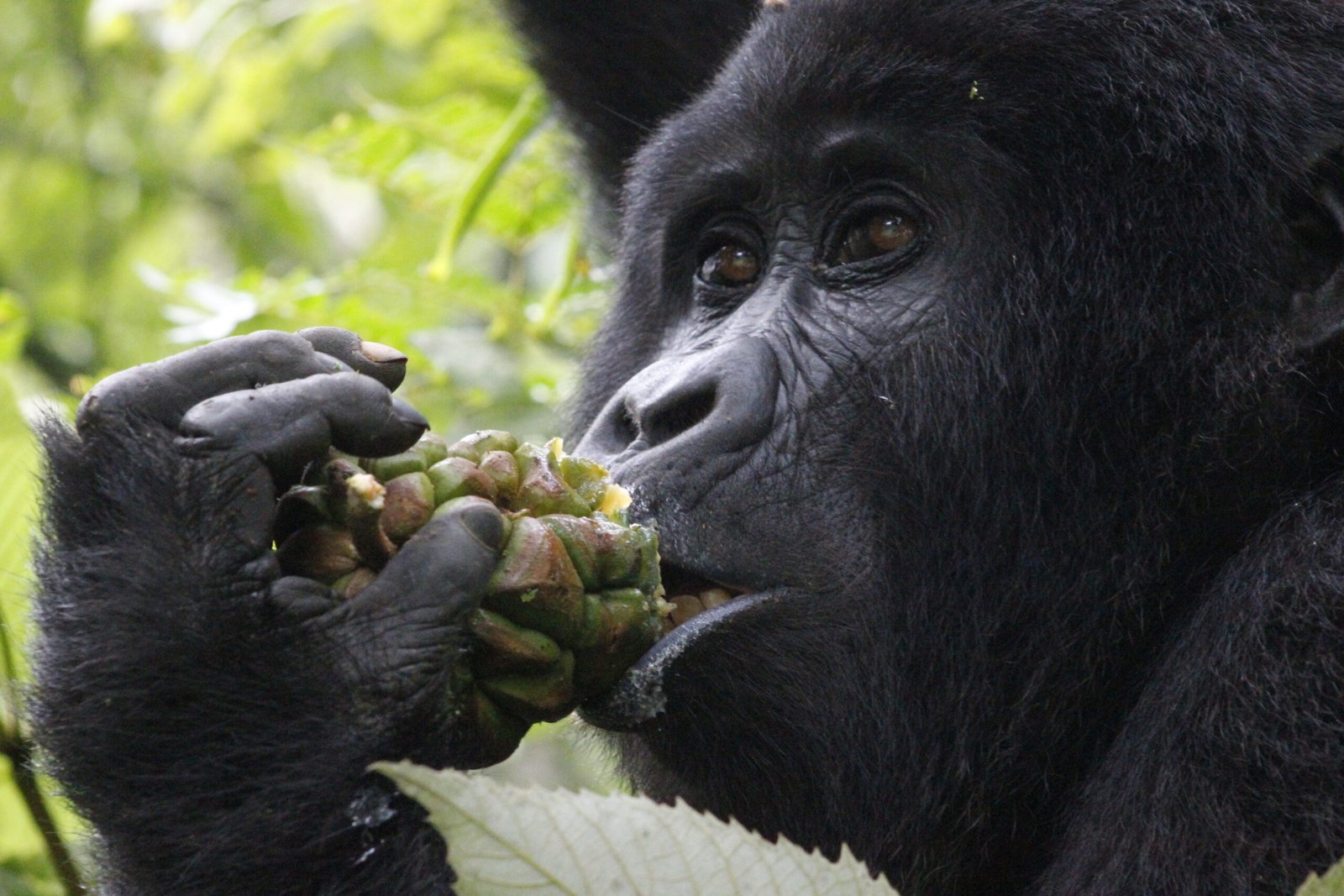
The foundation of any visit to Musanze and Kinigi is, of course, gorilla trekking. Trekking in Rwanda offers a smoother, more predictable experience compared to some challenging routes associated with gorilla trekking in Uganda. With its open bamboo forests and steady volcanic slopes, Volcanoes National Park provides excellent visibility and more comfortable hiking conditions. After meeting the gorillas and spending an emotional hour with them, travelers typically return to their lodge by midday—leaving ample time in the afternoon for cultural interactions that deepen their connection to Rwanda’s people and heritage.

One of the most popular cultural experiences in Musanze is the Iby’Iwacu Cultural Village, officially known as the “Gorilla Guardians Village.” This vibrant community-run center showcases traditional Rwandan lifestyles, storytelling, cuisine, herbal medicine, and dance. Visitors can interact with former poachers who now serve as cultural ambassadors, demonstrating how tourism has successfully transformed local livelihoods. Storytelling sessions reveal how community members transitioned from illegal forest activities to conservation-centered careers—a narrative that resonates strongly with travelers who have seen similar conservation-community integration during gorilla trekking in Uganda. At Iby’Iwacu, visitors participate in drumming, weaving, bow-and-arrow demonstrations, and traditional ceremonies that connect them to Rwanda’s deep cultural roots.

Another remarkable cultural experience is the Rwanda Bamboo Bike Project, an innovative community-led initiative where travelers can learn about locally crafted bamboo bicycles and even ride through scenic villages. These eco-friendly bikes symbolize sustainable tourism in Rwanda and serve as a livelihood project for youth in Musanze. Travelers enjoy exploring farmlands, visiting banana beer cooperatives, and meeting artisans while cycling through breathtaking volcanic landscapes. Such hands-on cultural encounters provide a refreshing contrast to the intensity and emotion of gorilla trekking.

For travelers interested in women empowerment initiatives, the Nyamirambo Women’s Center satellite projects in Musanze offer workshops on basket weaving, tailoring, and dyeing local textiles. Visitors can join craft-making sessions, interact with women artisans, and purchase handmade souvenirs that directly support the livelihoods of local families. While gorilla trekking in Uganda also offers opportunities to visit women-led cooperatives in Buhoma or Rushaga, Musanze’s community centers have gained global recognition for their organization, creativity, and sustainability-focused approach.

Musanze is also home to impressive natural attractions that complement cultural tourism. The Musanze Caves, ancient lava tunnels formed by volcanic eruptions thousands of years ago, provide a geological adventure that blends history, myth, and natural beauty. Guided cave tours reveal breathtaking interior chambers, bat colonies, basalt formations, and cultural stories tied to the caves’ historical role as places of refuge for Rwandan royal families. Travelers who have done gorilla trekking in Uganda often appreciate this unique inclusion, as Bwindi and Mgahinga do not offer a comparable feature so close to the trekking region.

Another extraordinary experience is visiting the Dian Fossey Gorilla Fund’s Ellen DeGeneres Campus, located just outside Kinigi. This world-class conservation and research center showcases the legacy of Dian Fossey’s pioneering work in protecting mountain gorillas. Visitors explore interactive exhibits, educational displays, research labs, and conservation programs. The campus bridges the emotional connection between the gorilla trek and the scientific efforts that make it possible. Many travelers say this visit provides valuable perspective that enhances their appreciation for both Rwanda’s and Uganda’s conservation achievements. For those who have experienced gorilla trekking in Uganda, the campus offers a unique opportunity to compare conservation strategies between the two countries.

For culinary and agricultural enthusiasts, Kinigi’s farm-to-table tours provide immersive experiences in Rwandan gastronomy. Visitors can tour potato farms, fruit gardens, beehives, and coffee cooperatives before participating in cooking classes that celebrate local produce. Traditional dishes such as isombe, ibihaza, and brochettes are prepared using organic ingredients sourced directly from the village. These activities offer meaningful engagement with Rwanda’s food traditions and agricultural heritage, something increasingly sought after by travelers seeking culturally rich itineraries.

The Musanze region also provides warm and heartfelt home visit experiences, where travelers are welcomed into local families to learn about daily life, traditional etiquette, local farming methods, and the importance of community cooperation. Guests may help prepare meals, participate in storytelling sessions, or join communal dance groups. These intimate interactions offer deeper cultural immersion compared to some tourist-focused experiences found elsewhere in East Africa.

A particularly profound cultural experience is visiting the SACOLA-supported community projects, which are funded through revenue generated by Sabyinyo Silverback Lodge. These projects include health centers, schools, water access programs, and cooperatives that empower communities around Kinigi. Travelers can learn how tourism revenue directly transforms lives—a theme shared with gorilla trekking in Uganda, though Rwanda’s centralized approach often makes these projects easier to access and observe firsthand.

In conclusion, the Musanze and Kinigi region offers one of Africa’s best combinations of wildlife adventure and rich cultural immersion. Travelers can seamlessly pair gorilla trekking with authentic cultural encounters, meaningful community visits, dynamic art experiences, agricultural tours, and conservation education. Whether someone has experienced gorilla trekking in Uganda or is exploring Rwanda for the first time, the cultural depth around Volcanoes National Park brings added context, emotion, and inspiration to the gorilla trekking journey, making the entire experience more holistic, memorable, and transformative.

Related Articles

Leave a reply

Your email address will not be published. Required fields are marked *