Best Photography Tips for Capturing Gorillas
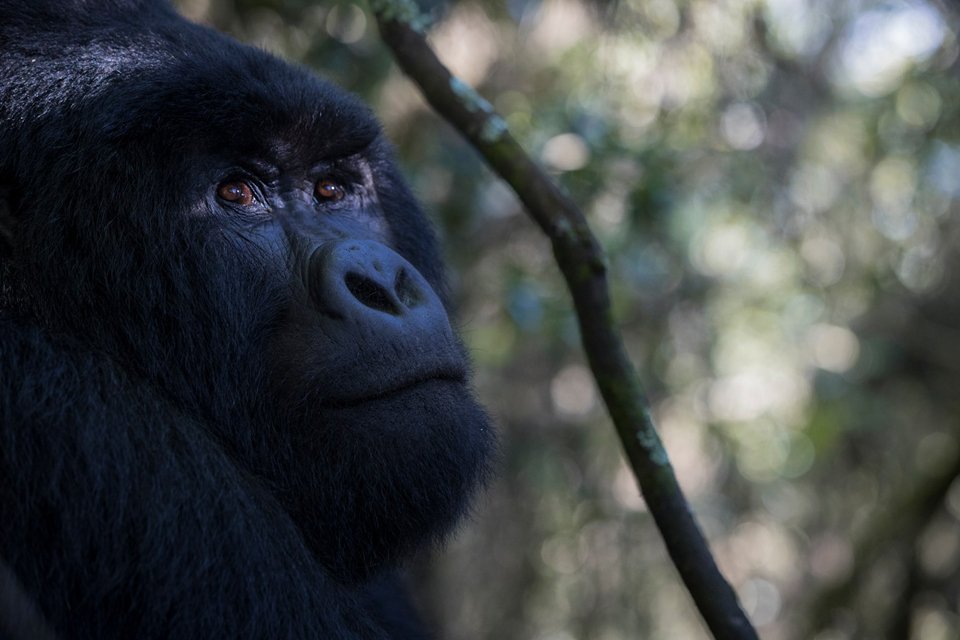
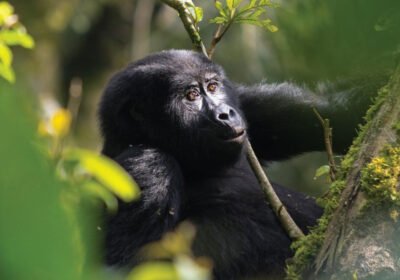
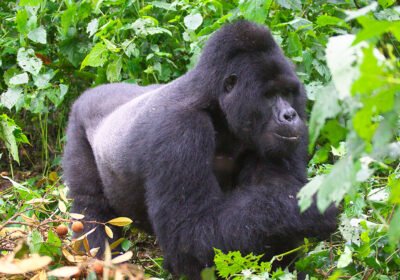
Photographing mountain gorillas during gorilla trekking in Rwanda is among the most rewarding wildlife photography experiences on Earth. Within Volcanoes National Park, open bamboo forests, soft mountain light, and well-habituated gorilla families combine to create ideal conditions for sharp, intimate, and emotionally powerful images. Still, success depends on preparation, respect for conservation rules, and smart technical choices. The tips below will help you return with images that truly tell the story of your trek.
Understand Light in the Bamboo Forest
Rwanda’s bamboo zones naturally filter sunlight, producing gentle, even illumination that flatters fur texture and facial detail. Compared with darker rainforest settings, shadows are softer and backgrounds cleaner. Even so, mountain weather shifts quickly. Expect cool mornings, drifting mist, and sudden cloud cover—conditions that often improve mood and drama but may require higher ISO and careful exposure compensation.
Choose the Right Camera Gear
You don’t need extreme equipment, but the right tools matter. A fast-focusing mirrorless or DSLR body paired with a flexible telephoto zoom (70–200mm or 100–400mm) covers portraits and action. A wide-angle lens helps capture habitat and context. Pack extra batteries (cold drains power), rain covers, and lens cloths. Tripods are discouraged—they slow movement and can disrupt the group.
Dial In Settings Before You Go
Gorillas move unpredictably. Practice your settings in advance so muscle memory takes over during the one-hour encounter. Start with:
- Shutter: 1/250–1/500 for movement
- Aperture: f/4–f/5.6 for subject isolation
- ISO: 800–3200 depending on light
- AF: Continuous (AF-C / AI-Servo)
- Drive: Burst mode for action sequences
Follow Trekking Rules—for Better Photos
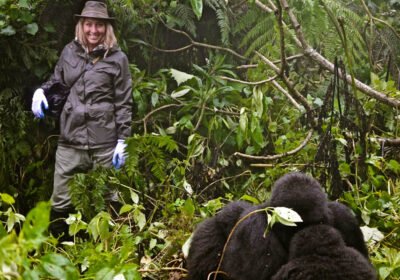
Rwanda’s strict guidelines protect gorillas and help photographers. Keep the recommended distance, never use flash, move slowly, and keep voices low. A calm group produces natural behavior—your best images come when gorillas ignore your presence.
Photograph Behavior, Not Just Faces
The most compelling frames tell stories. Look for mothers nursing, juveniles playing, silverbacks posturing, grooming sessions, and feeding rhythms. Rwanda’s calm families offer time to observe and anticipate, elevating your storytelling beyond simple portraits.
Compose With Intention
Strong composition turns moments into art. Use the rule of thirds for eye placement, bamboo stalks as leading lines, and foreground foliage for depth. Keep eyes tack-sharp—connection lives there. When possible, include environment for scale and context.
Stay Steady on Mountain Terrain
Expect mud, roots, and slopes. Wear supportive boots, consider light gloves for grip, and brace elbows against your body for stability. A steady stance equals sharper images.
Anticipate Movement
Watch patterns: short walks between feeding spots, playful bursts from juveniles, or a silverback’s subtle pre-display cues. Anticipation lets you pre-focus and adjust exposure before the action peaks.
Protect Gear From Weather
Mist and rain are common. Waterproof covers and quick-access cloths are essential. Even a simple plastic sleeve can save a camera during a sudden downpour.
Build a Visual Story
Edit your set to show the journey: habitat wide shots, mid-range interactions, intimate close-ups, and landscape frames with the Virunga backdrop. Sequencing creates narrative power.
Final Thoughts
Rwanda’s bamboo forests and conservation-led trekking system make it one of Africa’s finest destinations for gorilla photography. With thoughtful preparation and ethical practice, you’ll capture images that reflect both the wild beauty and emotional depth of these extraordinary primates—memories, and photographs, you’ll treasure for life.