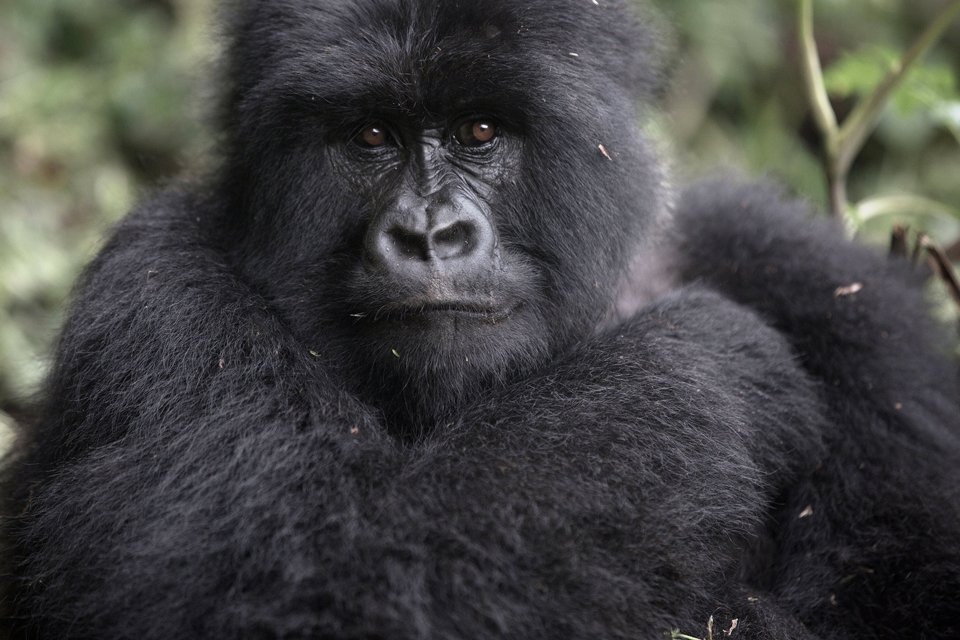
Volcanoes National Park is a year-round destination, yet timing greatly influences the quality of gorilla trekking in Rwanda.
For luxury travelers, the season affects weather, trail conditions, comfort, photography, and overall ease of the trek.
Understanding Rwanda’s seasonal patterns helps both first-time and repeat visitors plan rewarding gorilla trekking experiences.
Therefore, choosing the right time ensures comfort, exclusivity, and seamless safari logistics.
Rwanda’s Climate and Its Impact on Gorilla Trekking in Rwanda
Rwanda enjoys a mild equatorial climate moderated by altitude, keeping temperatures comfortable throughout the year.
However, rainfall patterns largely determine the best time for gorilla trekking in Rwanda.
The country experiences two dry seasons and two rainy seasons annually.
These seasonal shifts influence trail conditions, forest visibility, and trekking difficulty.
For luxury gorilla trekking safaris, dry seasons are generally preferred.
They offer easier walking conditions and enhanced comfort.
Long Dry Season: June to September
The long dry season from June to September is considered the peak period for gorilla trekking in Rwanda.
During this time, rainfall is minimal and trails are less slippery.
Forest visibility improves, and trekking becomes more manageable on steep volcanic slopes.
As a result, this season attracts many luxury safari travelers.
Premium lodges operate at full capacity, offering refined service and scenic views.
Photography conditions are excellent due to softer light and reduced humidity.
For travelers prioritizing comfort and predictability, this is the ideal time.
Therefore, early booking is essential.
Short Dry Season: December to February
The short dry season from December to February is another excellent period for gorilla trekking in Rwanda.
Although slightly warmer, trekking conditions remain favorable.
Trails are generally dry, and forest access is easier.
This season is popular among holiday travelers and those combining festive travel with wildlife experiences.
Luxury lodges often enhance offerings during this period.
Consequently, travelers enjoy both indulgence and adventure.
This season also sees slightly fewer visitors than mid-year peak months.
Thus, it balances comfort and relative exclusivity.
Rainy Seasons: March to May and October to November
Rainy seasons occur from March to May and again from October to November.
These months are often considered less ideal but still rewarding.
The forest becomes exceptionally lush, and landscapes appear vibrant and dramatic.
Gorillas often remain at lower elevations due to abundant food availability.
This can result in shorter trekking distances.
Therefore, gorilla trekking in Rwanda during rainy months may suit travelers concerned about physical exertion.
Visitor numbers are lower, creating a quieter and more intimate experience.
Luxury travelers may appreciate the exclusivity.
Luxury Gorilla Trekking in Rwanda During Rainy Seasons
High-end lodges maintain excellent standards year-round, regardless of weather.
During rainy seasons, lodge availability is often better.
Guests enjoy fireplaces, spa treatments, and personalized service after wet treks.
Rain rarely lasts all day, allowing successful trekking windows.
Misty forests add atmosphere and emotional depth to the experience.
Thus, rainy-season gorilla trekking in Rwanda appeals to seasoned and adventurous travelers.
Photography Considerations for Gorilla Trekking in Rwanda
Photography plays a major role in choosing the best trekking season.
Dry seasons offer clearer views, lighter undergrowth, and better lighting conditions.
June to September and December to February are ideal for photographers.
However, rainy seasons produce dramatic mist and rich green tones.
For those seeking artistic forest imagery, rain can enhance storytelling.
Therefore, photography goals influence seasonal preference.
Permits, Lodges, and Advance Planning
Peak gorilla trekking seasons coincide with dry months.
During these periods, permits and luxury lodges sell out quickly.
Travelers planning premium gorilla trekking in Rwanda should book well in advance.
Early planning secures preferred dates, lodges, and exclusive services.
This is especially important for private transfers and extended stays.
Thus, preparation ensures a seamless luxury safari.
Comfort and Safety Throughout the Year
Comfort and safety are key considerations for luxury travelers.
Dry seasons reduce the risk of slippery trails and physical strain.
First-time trekkers and older travelers often prefer these conditions.
However, professional ranger teams ensure safety year-round.
Gorilla trekking in Rwanda remains well managed in all seasons.
Therefore, confidence and preparation matter more than timing alone.
Conclusion: Choosing the Best Time for Gorilla Trekking in Rwanda
In summary, the best time for gorilla trekking in Rwanda is during the dry seasons from June to September and December to February.
These periods offer optimal conditions, excellent visibility, and smooth safari logistics.
However, gorilla trekking remains exceptional throughout the year.
Travelers seeking lush scenery, exclusivity, or flexibility may enjoy the quieter rainy months.
Ultimately, the best season depends on personal priorities.
With careful planning, gorilla trekking in Rwanda delivers unforgettable encounters at any time.