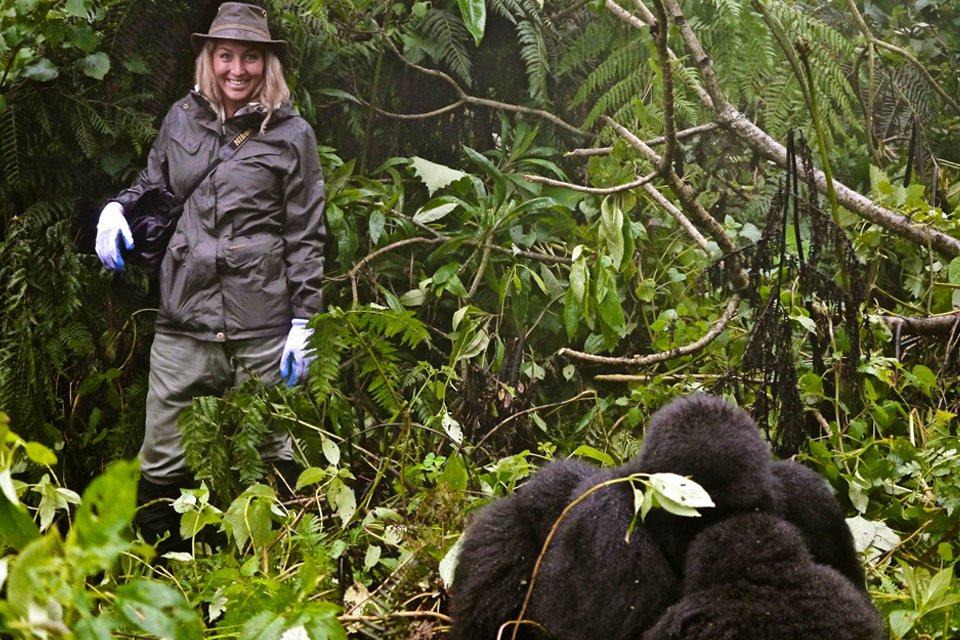
Community homestays and responsible village tourism have become some of the most enriching additions to uganda gorilla safaris, rwanda gorilla safaris, and gorilla trekking experiences across the region. These initiatives allow travelers to move beyond wildlife viewing and engage meaningfully with the people who live alongside Africa’s last remaining mountain gorillas. Through cultural exchange, shared livelihoods, and conservation support, community tourism adds depth, purpose, and authenticity to every gorilla trekking journey.
By staying in community-run homestays or participating in village-led activities, travelers experience daily life in remote forest regions where humans and wildlife coexist in delicate balance. At the same time, tourism revenue is channeled directly into households, education, healthcare, and conservation, strengthening long-term protection of gorilla habitats.
Community Homestays Around Bwindi Impenetrable National Park (Uganda)
Communities surrounding Bwindi Impenetrable National Park offer some of East Africa’s most immersive homestay experiences. Villages in Buhoma, Nkuringo, Rushaga, and Ruhija have developed community-owned accommodations that welcome travelers into local homes. These stays are especially popular with visitors seeking to complement uganda gorilla safaris with genuine cultural immersion.
Guests often share traditional meals, learn to prepare dishes such as matooke and groundnut sauce, participate in farming activities, or enjoy storytelling sessions led by village elders. Evenings may include traditional music and dance, offering insight into cultural practices shaped by generations of forest life.
Importantly, income from these homestays directly supports families through school fees, improved housing, healthcare access, and alternative livelihoods. This reduces pressure on forest resources and reinforces the conservation model that sustains gorilla trekking in Uganda.
Community-owned lodges such as Buhoma Community Rest Camp and Nkuringo Community Camp were among Bwindi’s earliest tourism initiatives. Their success demonstrates how local ownership can thrive alongside luxury safari lodges, while many travelers describe these community stays as the emotional highlight of their gorilla safari.
Village Tourism in Mgahinga Gorilla National Park (Uganda)
In Mgahinga Gorilla National Park, community tourism is closely linked to Batwa culture. Village homestays and cultural trails in the Kisoro region allow visitors to engage with Batwa families and learn about ancient forest traditions that predate the park’s establishment.
Activities often include oral history storytelling, traditional dance performances, craft workshops, herbal medicine demonstrations, and participation in daily village life. These experiences add cultural depth to uganda gorilla safaris, particularly for travelers trekking the Nyakagezi gorilla family.
Revenue generated supports Batwa livelihoods and cultural preservation following their displacement when Mgahinga became a national park. Through responsible village tourism, Batwa elders share their heritage while communities gain economic security and stronger incentives to support gorilla conservation.
Homestays and Cultural Exchange Near Volcanoes National Park (Rwanda)
Rwanda has developed some of Africa’s most structured and successful community tourism models. Around Volcanoes National Park, community homestays offer travelers an intimate look into rural Rwandan life, significantly enriching rwanda gorilla safaris.
Visitors may join families in cooking traditional foods, brewing banana beer, milking cows, learning basket weaving, or practicing local dance. These experiences foster genuine cultural exchange while generating income for households and women-led cooperatives.
One of Rwanda’s most renowned cultural initiatives is Gorilla Guardians Village (formerly Iby’Iwachu Cultural Village). While not a homestay, it provides immersive cultural encounters led by former poachers who now work as conservation ambassadors. Activities include Intore dance lessons, traditional healing demonstrations, craft making, and royal ritual reenactments. This model powerfully illustrates how gorilla trekking revenue replaces hunting with dignified livelihoods.
Why Community Tourism Matters for Gorilla Conservation
Community homestays and village tourism play a critical role in protecting mountain gorillas by:
- Providing alternative income that reduces dependence on forest resources
- Strengthening community stewardship of gorilla habitats
- Preserving indigenous cultures and traditional knowledge
- Reducing human–wildlife conflict through shared benefits
- Funding education, infrastructure, and conservation awareness
When travelers choose community-based experiences alongside uganda gorilla safaris or rwanda gorilla safaris, they directly contribute to the sustainability of gorilla trekking tourism.
The Emotional Impact on Travelers
Many visitors describe community experiences as the soul of their gorilla trekking journey. After the intensity of meeting mountain gorillas, spending time with local families adds humanity, perspective, and emotional connection. Travelers leave not only with memories of wildlife but with lasting appreciation for the resilience and generosity of the communities protecting these forests.
A Powerful Partnership for Sustainable Tourism
Community homestays and village tourism represent the heart of responsible gorilla tourism. They ensure that gorilla trekking benefits wildlife, visitors, and local people alike. This partnership between conservation and community is what positions Uganda and Rwanda as global leaders in sustainable, ethical safari tourism.