









Comparing Gorilla Trekking Experiences in Volcanoes NP Versus Bwindi Impenetrable Forest
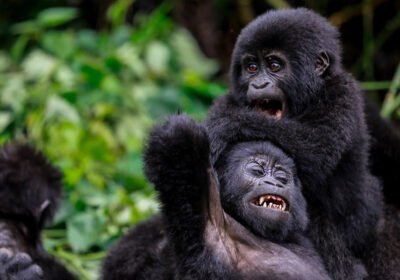
Gorilla trekking in East Africa is a bucket-list experience for wildlife enthusiasts, and two of the most iconic destinations are Volcanoes National Park in Rwanda and Bwindi Impenetrable Forest in Uganda. Both parks offer exceptional encounters with mountain gorillas, but the trekking experiences differ significantly in terms of terrain, accessibility, duration, visitor infrastructure, and overall adventure. Comparing these two destinations helps travelers choose the best option for their preferences, fitness level, and safari style while planning gorilla trekking in Rwanda or Uganda.
One of the most notable differences is park size and trail accessibility. Volcanoes NP is relatively compact, covering approximately 160 square kilometers, which allows trackers to guide visitors to gorilla families efficiently. Trails are well-maintained, clearly marked, and manageable, even for first-time trekkers. In contrast, Bwindi Impenetrable Forest spans over 321 square kilometers of dense rainforest with steep slopes, valleys, and thick vegetation. The extensive forest means that gorilla families often roam farther, resulting in longer, more physically demanding treks. Trekkers in Bwindi should be prepared for hours of hiking through muddy, slippery terrain, which makes the experience more challenging than the relatively accessible Volcanoes NP.
Trekking duration and physical challenge differ considerably between the two parks. In Volcanoes NP, treks usually range from 1 to 4 hours, depending on the gorilla family, trail, and weather conditions. The park’s small size, habituation of gorilla families, and efficient tracking system allow visitors to locate gorillas quickly. Bwindi, however, often requires longer hikes, sometimes exceeding 6 to 8 hours, particularly in sectors like Nkuringo or Rushaga. This makes Bwindi ideal for adventurous trekkers seeking a physically intense and immersive jungle experience. The difference in trekking duration and difficulty is a critical factor when deciding between Rwanda gorilla trekking and Uganda’s trekking opportunities.
Habituation and predictability of gorilla families also influence the experience. Volcanoes NP has a long history of gorilla habituation, dating back to Dian Fossey’s pioneering work. Families in Rwanda tend to have more predictable movements and defined home ranges, making encounters highly reliable. In Bwindi, while habituated families are available, some roam widely across the forest, requiring trackers to cover greater distances to locate them. This unpredictability adds adventure but also introduces variability in the trekking experience, influencing how much time trekkers spend walking versus observing gorillas.
Scenic landscapes and forest type also distinguish the two parks. Volcanoes NP features high-altitude slopes of the Virunga volcanoes, misty ridges, open bamboo forests, and sweeping views of volcanic peaks. These conditions provide dramatic backdrops for photography and enhance the trekking experience. Bwindi is a dense tropical rainforest, rich in biodiversity, with towering trees, thick undergrowth, and cascading streams. While visually stunning, the closed canopy and dense vegetation can sometimes limit visibility, making photography more challenging but rewarding for those willing to navigate the forest.
Accessibility and logistics further differentiate the parks. Volcanoes NP is approximately a three-hour drive from Kigali International Airport, with well-paved roads leading to Kinigi, the main visitor hub. Early morning departures allow trekkers to reach park headquarters for briefings and start the trek fresh. Bwindi, on the other hand, requires longer road journeys from Entebbe or Kampala, often taking 8 to 10 hours to reach sectors such as Buhoma or Nkuringo. While domestic flights to Kisoro or Kihihi airstrips can reduce travel time, logistics are still more complex compared to Rwanda, making Volcanoes NP more convenient for travelers on tight schedules.
Visitor infrastructure and accommodation also play a role in the trekking experience. Rwanda offers a wide range of luxury lodges and boutique hotels near the park, with quick access to trailheads, while Bwindi offers a mix of mid-range lodges, campsites, and luxury options but often with longer transfers to trekking start points. This difference affects not only comfort but also time management, particularly for short-stay visitors or those combining gorilla trekking with other safari experiences.
Finally, conservation and community engagement are strong in both destinations. Both parks ensure that tourism revenue supports local communities, ranger patrols, and gorilla protection. Volcanoes NP emphasizes controlled visitor numbers, efficient trekking operations, and integrated conservation-tourism programs, while Bwindi engages surrounding communities through revenue-sharing, cultural programs, and anti-poaching initiatives. Both parks provide ethical gorilla trekking in Rwanda and Uganda, but the style and operational efficiency differ.
In summary, choosing between Volcanoes National Park and Bwindi Impenetrable Forest depends on what travelers seek in gorilla trekking. Volcanoes NP offers efficient, predictable treks with dramatic volcanic landscapes and accessible trails, ideal for short-stay travelers and those seeking convenience. Bwindi provides dense rainforest immersion, longer and more challenging hikes, and remote wilderness experiences, perfect for adventurers and seasoned trekkers. Both destinations offer unforgettable gorilla trekking in Rwanda and Uganda, but the choice ultimately depends on trekking preference, fitness level, and overall safari style.