










Overview: Conservation as the Foundation of Mgahinga
Conservation initiatives in Mgahinga Gorilla National Park form the foundation upon which all tourism activities, including uganda gorilla trekking, are built. While many visitors experience the park through gorilla encounters, volcano hikes, or cultural activities, these moments are made possible by extensive, long-term conservation work carried out behind the scenes. Importantly, Mgahinga’s conservation model is comprehensive, science-driven, and community-centered, ensuring that tourism supports protection rather than placing pressure on fragile ecosystems.
Protecting Gorillas and Other Key Species
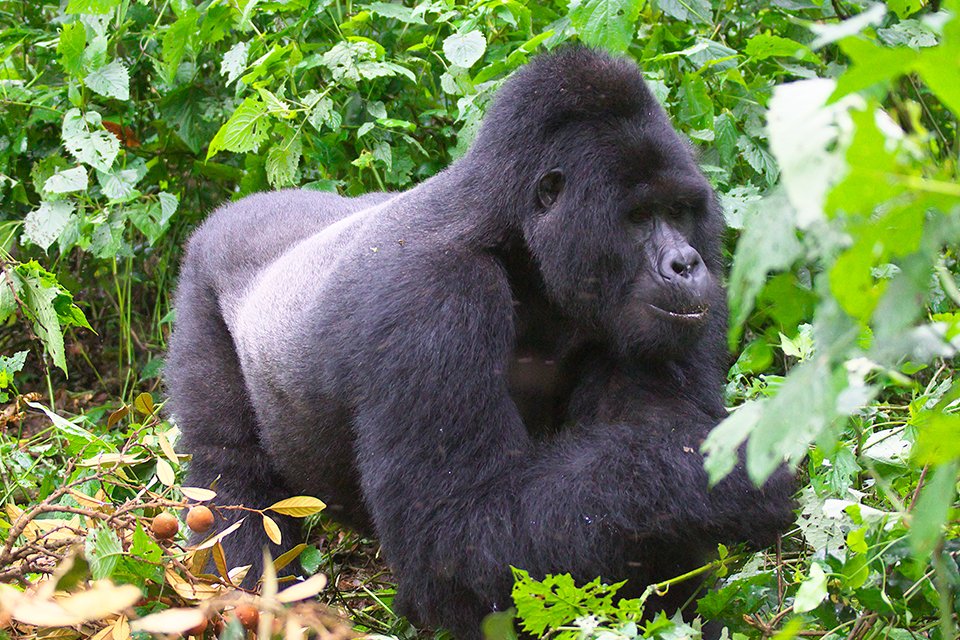
At the core of Mgahinga’s conservation strategy is the protection of mountain gorillas, golden monkeys, and other threatened species within the Virunga ecosystem. Gorilla trekking in Uganda is carefully regulated, and strict rules are enforced to reduce stress and disease transmission. Visitor numbers are limited, minimum distance guidelines are observed, and gorilla health is monitored daily. As a result, tourism activities are aligned with conservation priorities, rather than operating in conflict with them.
Anti-Poaching and Law Enforcement Efforts
Equally important are anti-poaching initiatives that safeguard wildlife throughout the park. Regular foot patrols are conducted by trained rangers to remove snares, monitor animal movement, and deter illegal activity. These patrols are largely funded by revenue generated from uganda gorilla trekking, creating a direct and transparent link between tourism and wildlife protection. Through this system, equipment, ranger training, and salaries are sustainably supported.
Veterinary Monitoring and Gorilla Health
Veterinary monitoring plays a critical role in Mgahinga’s conservation success. Because mountain gorillas share a high percentage of DNA with humans, they are highly vulnerable to human diseases. Health screening for visitors is therefore strictly applied, and rapid veterinary response systems have been established. When illness or injury is detected, intervention is carefully carried out to protect both individual gorillas and the wider population. These efforts help secure the long-term future of gorilla trekking in Uganda.
Habitat Protection and Ecosystem Management
Beyond species protection, habitat conservation remains a major focus. Mgahinga’s bamboo zones, montane forests, and afro-alpine vegetation are actively managed to prevent degradation and fragmentation. Restoration and monitoring efforts ensure that these habitats continue to support not only gorillas but also birds, small mammals, and plant species that define the park’s biodiversity. In this way, conservation is approached holistically rather than species by species.
Community Conservation and Livelihoods
Community involvement is central to Mgahinga’s conservation model. Programs supported by gorilla trekking revenue provide alternative livelihoods such as beekeeping, handicrafts, guiding, and cultural tourism. As dependence on forest resources is reduced, pressure on protected areas is also lowered. Consequently, local communities become active conservation partners rather than passive observers.
Education and the Role of the Batwa Community
Education initiatives further strengthen long-term conservation outcomes. Schools surrounding Mgahinga benefit from revenue-sharing programs, conservation clubs, and outreach activities. At the same time, the Batwa community—historically displaced by park creation—has been integrated into conservation through cultural tourism, employment, and skills development. Their involvement demonstrates that conservation can be socially inclusive as well as environmentally effective.
Regional Collaboration and Research
Mgahinga’s conservation impact is reinforced through cross-border collaboration within the greater Virunga Conservation Area. Uganda works closely with Rwanda and the Democratic Republic of Congo on gorilla monitoring, research, and law enforcement. Additionally, ongoing scientific research informs adaptive management strategies, ensuring that conservation efforts evolve in response to climate change and ecological shifts.
Conclusion: Conservation in Action
In conclusion, conservation initiatives in Mgahinga Gorilla National Park are inclusive, adaptive, and highly effective. Supported by uganda gorilla trekking and responsible eco-tourism, these efforts protect wildlife while empowering surrounding communities. Mgahinga stands as a powerful example of how conservation and tourism can work together to safeguard both nature and people for generations to come.