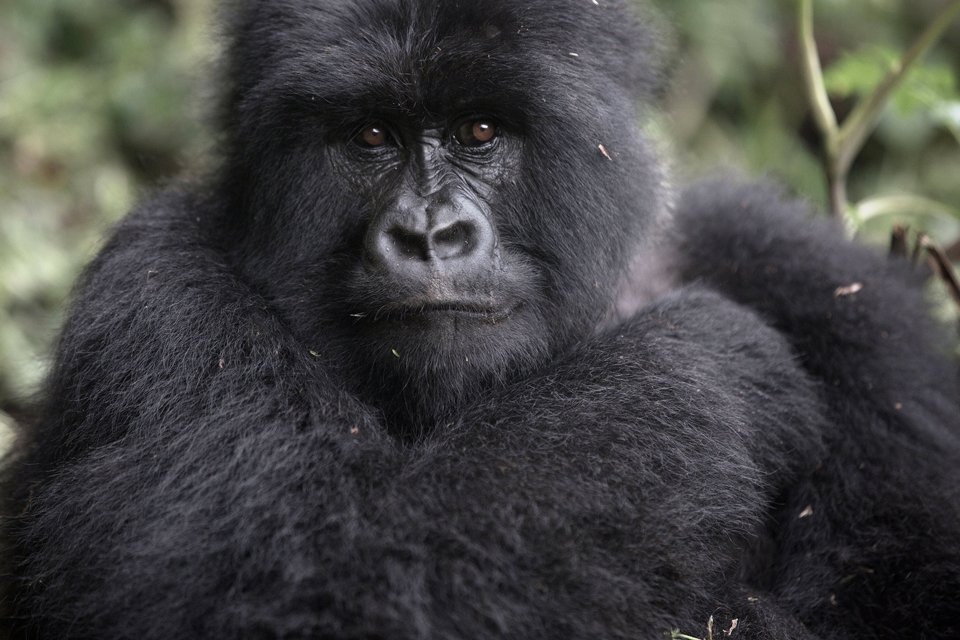
For travelers with a strong interest in primate conservation, the hike to the Dian Fossey Tomb and Karisoke Research Center is one of the most meaningful experiences that can be added to Rwanda gorilla trekking safaris. Situated within Volcanoes National Park, this hike goes beyond wildlife observation and offers historical context, emotional reflection, and a deeper understanding of the conservation principles that guide gorilla trekking in Rwanda today.
Dian Fossey’s Legacy in Gorilla Conservation
Dian Fossey was a pioneering primatologist whose work fundamentally transformed global understanding of mountain gorillas. Through years of immersive field research at the Karisoke Research Center, she challenged prevailing myths, documented complex gorilla social behavior, and fought relentlessly against poaching. As a result, modern gorilla conservation strategies—and ultimately gorilla trekking in Rwanda—were shaped by her work.
Her final resting place, located near the original Karisoke site, has become a place of reflection for conservationists and travelers alike. The tomb symbolizes both the sacrifices made to protect gorillas and the progress achieved through sustained conservation efforts.
The Dian Fossey Tomb Hike Experience
The hike to the Dian Fossey Tomb is considered moderately challenging and follows forest and bamboo trails similar to those used during gorilla trekking. The ascent is gradual, and while reasonable fitness is required, the hike remains accessible to most travelers. Throughout the journey, visitors are accompanied by professional rangers, and safety protocols are carefully followed.
As the trail climbs, the forest environment changes subtly, offering glimpses into the same ecosystems where gorillas thrive. Along the way, stories of Fossey’s research, conservation battles, and daily life in the forest are shared by guides, bringing history vividly to life.
Emotional and Educational Impact
One of the most powerful moments of the hike is reaching the tomb itself. Nearby are the graves of gorillas Fossey studied and protected, including Digit, whose death intensified her anti-poaching activism. These sites are treated with respect, and visitors are encouraged to reflect quietly. The experience is often described as deeply moving, adding emotional weight to Rwanda gorilla trekking safaris.
The remains of the Karisoke Research Center also provide insight into long-term scientific research. Here, the importance of monitoring gorilla health, behavior, and population trends is explained. Consequently, visitors gain a clearer understanding of why strict rules are enforced during gorilla trekking in Rwanda.
A Complement to Gorilla Trekking Safaris
Unlike the excitement of a gorilla encounter, the Dian Fossey hike is quieter and more contemplative. For this reason, it pairs exceptionally well with gorilla trekking. After seeing gorillas in the wild, travelers can contextualize that experience through Fossey’s story, transforming observation into understanding.
Moreover, the hike reinforces the importance of responsible tourism. Fees collected from activities within Volcanoes National Park support research, ranger training, habitat protection, and community engagement—ensuring conservation efforts remain strong.
Conclusion: Connecting Past, Present, and Future
In conclusion, the Dian Fossey Tomb and Karisoke Research Center hike is a powerful and enriching addition to Rwanda gorilla trekking safaris. For conservation-minded travelers, primate enthusiasts, and those seeking deeper meaning, this experience bridges history and modern conservation. It reminds visitors that gorilla trekking in Rwanda is not only about seeing gorillas—but about protecting their future.