




Understanding Gorilla Family Dynamics in Rwanda
Volcanoes National Park is renowned for hosting several habituated mountain gorilla families, each shaped by distinct social structures, leadership styles, and daily behaviors. While gorilla trekking in Uganda—particularly in Bwindi Impenetrable National Park and Mgahinga Gorilla National Park—also presents a variety of family compositions, Rwanda’s long-established habituation program and highly structured tourism system make it easier for trekkers to understand these differences in advance. As a result, visitors can more intentionally choose between large, socially complex families and smaller, more intimate groups.
Large Silverback-Led Families: Dynamic and Social
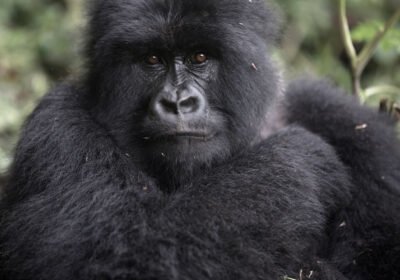
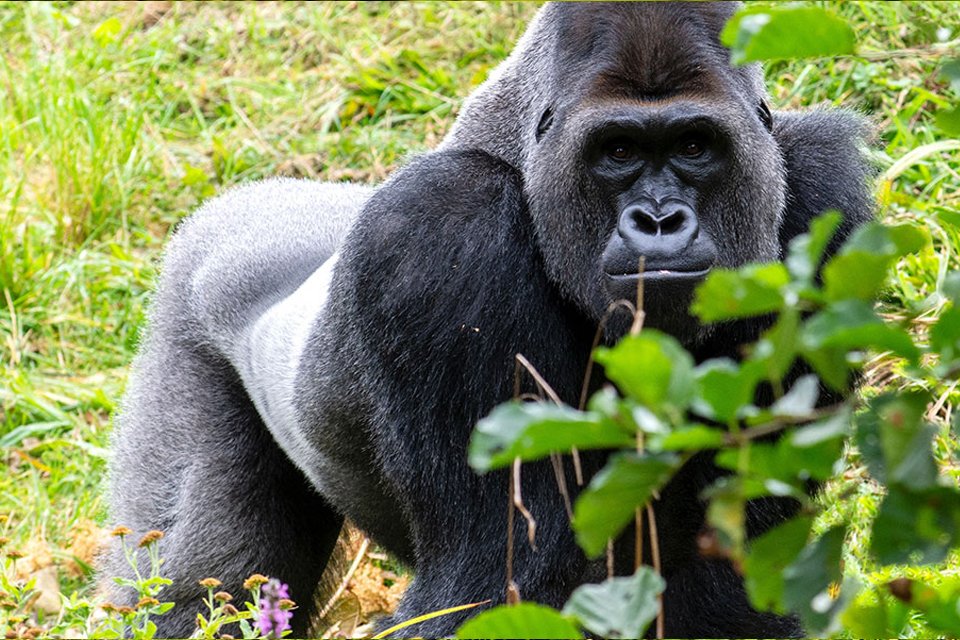
To begin with, large silverback-led families are among the most dramatic to observe. These groups often consist of 15 or more individuals and may include multiple silverbacks, blackbacks, adult females, juveniles, and infants. Well-known families such as Sabyinyo and Amahoro fall into this category. Leadership in these families is clearly defined, yet social interactions remain constant and layered.
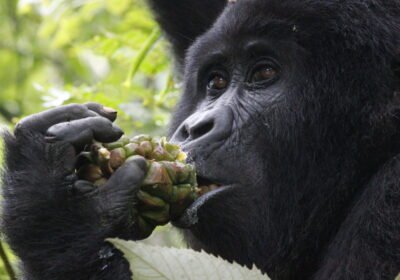
Moreover, the presence of many individuals creates a lively atmosphere. Grooming sessions, feeding activity, playful juveniles, and subtle power negotiations are frequently observed. Because food resources are abundant, especially in mid-altitude bamboo zones, movements tend to be slow and deliberate. This predictability allows trekkers ample time to observe behaviors in detail.
In addition, dominant silverbacks in large families are often seen chest-beating or vocalizing. These displays are not aggressive but are used to reinforce authority and maintain group cohesion. Consequently, encounters with large families feel energetic, theatrical, and socially rich—ideal for visitors interested in complex primate behavior.
Smaller Gorilla Families: Intimate and Serene
In contrast, smaller families such as Kwitonda or Agashya offer a markedly different experience. Typically made up of fewer than ten members, these groups are usually led by a single mature silverback with very strong bonds among females and their offspring. The atmosphere here is noticeably calmer.
Rather than constant movement, long resting periods and gentle feeding dominate the encounter. Mother–infant interactions are more visible, and grooming often happens in close-knit circles. As a result, trekkers often describe these visits as emotionally powerful and deeply personal.
However, it should be noted that smaller families can move more quickly and may range into higher elevations. Therefore, treks can sometimes be longer or more physically demanding, even though the time spent with the gorillas feels quieter and more focused.
Movement, Behavior, and Photography
Another key difference lies in movement patterns. Larger families move slowly due to coordination needs and infant protection, whereas smaller families are more agile. Behaviorally, silverbacks in large groups must manage disputes and protect multiple infants, leading to more visible leadership actions.
From a photographic perspective, large families provide diverse action shots across a wide feeding area. Smaller families, on the other hand, create striking group portraits and intimate emotional moments. Rwanda’s open bamboo habitat enhances both styles equally.
Conclusion: Choosing the Right Experience
In summary, gorilla trekking in Rwanda offers two equally rewarding yet distinct experiences. Large families deliver dynamic social energy and behavioral diversity, while smaller families provide quiet, intimate encounters. Whether compared to gorilla trekking in Uganda or enjoyed on its own, Rwanda’s gorilla families ensure an unforgettable and deeply moving wildlife experience—no matter the group size.