Early morning weather conditions play a critical role in shaping the overall quality of gorilla trekking in Rwanda. Because mountain gorillas live in a high-altitude volcanic environment, mornings are defined by cool air, drifting mist, soft clouds, and gentle sunlight. This combination creates an atmosphere that feels calm, cinematic, and emotionally powerful. While gorilla trekking in Uganda also begins early, the rainforest environments of Bwindi Impenetrable Forest and Mgahinga Gorilla National Park produce very different microclimates, largely influenced by dense vegetation and higher humidity. Rwanda’s mountain conditions offer a distinct advantage for comfort, visibility, and predictability during the trek.
Cool Temperatures That Enhance Trekking Comfort
One of the most noticeable benefits of early mornings in Rwanda is the cool, refreshing temperature. Volcanoes National Park sits between 2,400 and 4,500 meters above sea level, which keeps early morning temperatures comfortable for hiking. Most mornings range between 8°C and 15°C, allowing trekkers to move steadily without overheating. Compared to the warmer and more humid conditions often experienced during gorilla trekking in Uganda’s lower-altitude forests, Rwanda’s climate reduces fatigue and helps trekkers conserve energy throughout the hike. As a result, visitors often feel more relaxed and physically prepared when reaching the gorillas.
Mist, Fog, and the Emotional Atmosphere
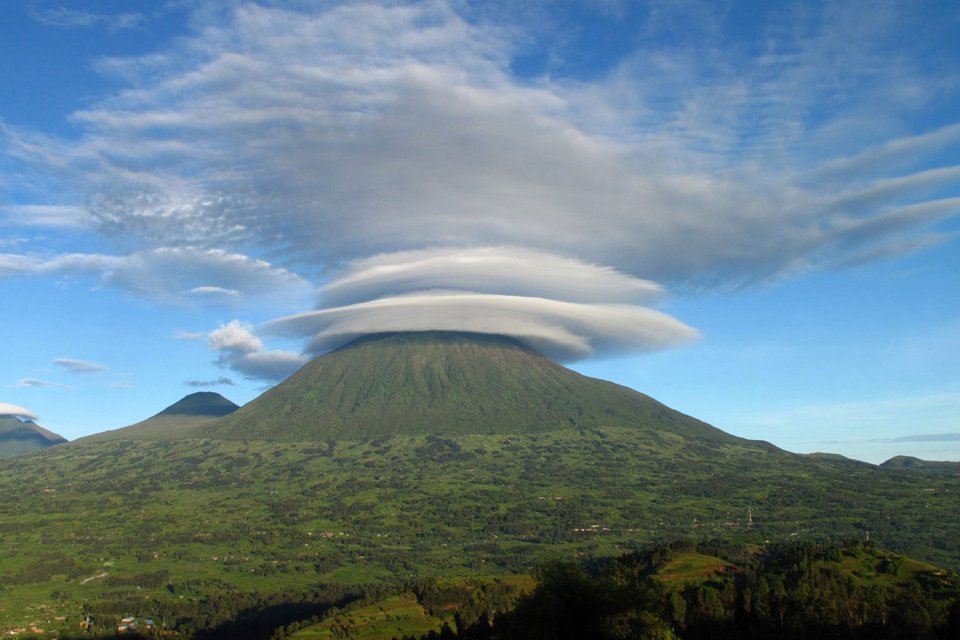
Another defining feature of Rwanda’s early mornings is the presence of mist and soft mountain fog. This mist often settles across the slopes of the Virunga volcanoes, weaving gently through bamboo forests. As sunlight filters through the fog, the forest takes on a quiet, almost dreamlike quality. Although mist slightly reduces visibility at times, Rwanda’s open bamboo terrain allows guides and trekkers to navigate easily. This differs from Uganda’s denser rainforest, where fog combined with thick vegetation can significantly restrict movement and visibility.
Ideal Lighting for Gorilla Photography
Early morning mist also creates outstanding photography conditions. Diffused light softens shadows and highlights gorillas’ facial features, fur texture, and expressive eyes. Many photographers consider Rwanda one of the best places in Africa for gorilla photography because the light is forgiving and visually rich. Travelers familiar with gorilla trekking in Uganda often note that Rwanda’s misty mountain light produces clearer, more dramatic images, especially when gorillas appear in open clearings framed by volcanic backdrops.
How Morning Weather Influences Gorilla Behavior
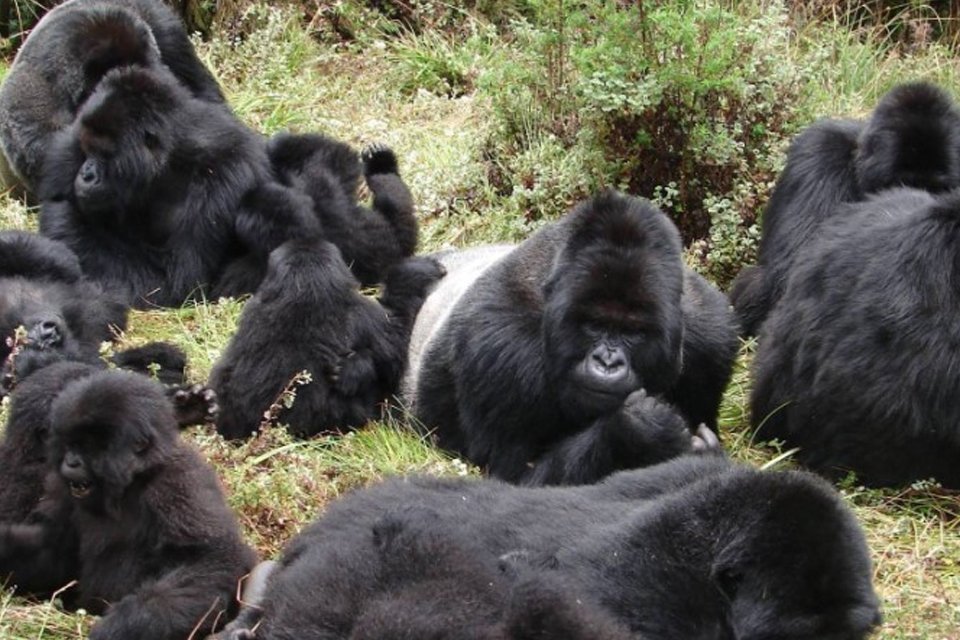
Morning weather strongly affects gorilla behavior. Mountain gorillas usually wake between 6:00 and 7:00 am, just before trekking begins. During these early hours, they are calm, social, and focused on feeding. Cool temperatures encourage slow feeding on bamboo shoots, vines, and wild celery. Because heat and rain are minimal, gorillas often stay close to their nesting areas, making them easier for trackers to locate. In contrast, gorillas in Uganda’s rainforests may move deeper into vegetation earlier in the day, which can lengthen trekking times.
Trail Conditions and Trekking Safety
Early morning dew or light drizzle can make Rwanda’s volcanic soil slippery, especially on steeper slopes. However, the moderate gradients and open forest structure provide generally stable footing. Rangers adjust routes daily based on weather, and porters assist trekkers with balance and support. Similar porter services exist in Uganda, although Rwanda’s terrain often makes early morning trekking feel more controlled and manageable.
Visibility, Timing, and Trek Coordination
Cloud patterns in Rwanda tend to sit higher in the morning, allowing filtered light to brighten the forest without reducing visibility. As the sun rises, mist gradually lifts, revealing volcanic peaks and forest details. Because all treks are tightly coordinated from Kinigi headquarters, predictable morning weather helps rangers assign groups efficiently. In Uganda, thicker fog can sometimes delay visibility and extend trek durations.
A Cinematic Finish to the Morning
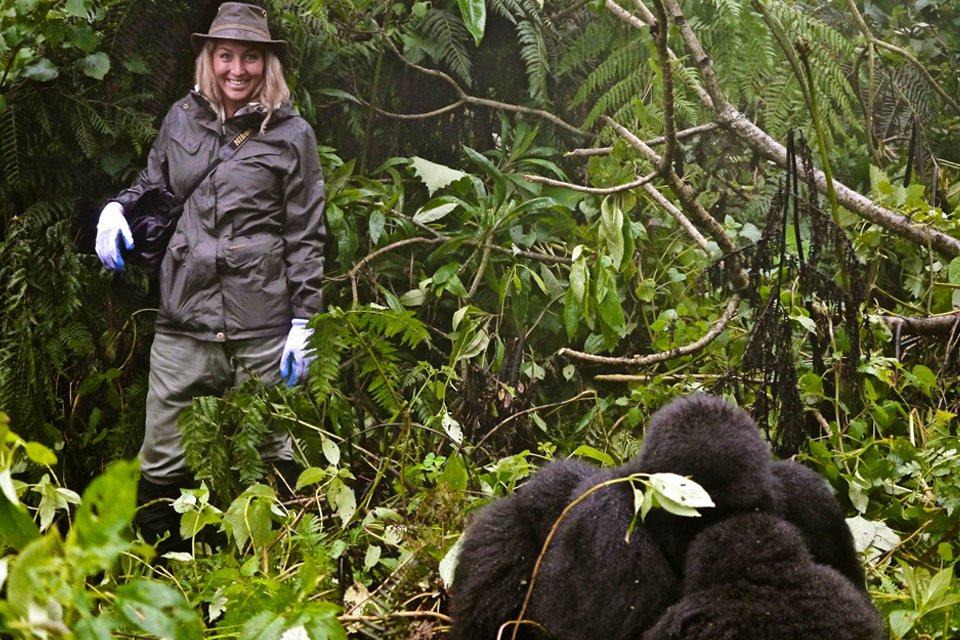
As morning progresses, clouds often break just as trekkers reach the gorilla family. This timing creates unforgettable scenes of gorillas feeding, resting, or playing in emerging light. Silverbacks may be seen in open clearings, while juveniles play against a backdrop of mountain ridges.
Conclusion
Early morning mountain weather is central to the magic of gorilla trekking in Rwanda. Cool temperatures, gentle mist, soft sunlight, and steady visibility combine to create a comfortable, emotionally rich, and visually stunning experience. While gorilla trekking in Uganda offers a wilder rainforest atmosphere, Rwanda’s early morning conditions elevate comfort, photography, and predictability. These elements make each trek feel intimate, cinematic, and deeply memorable for travelers seeking a refined and meaningful wildlife encounter.