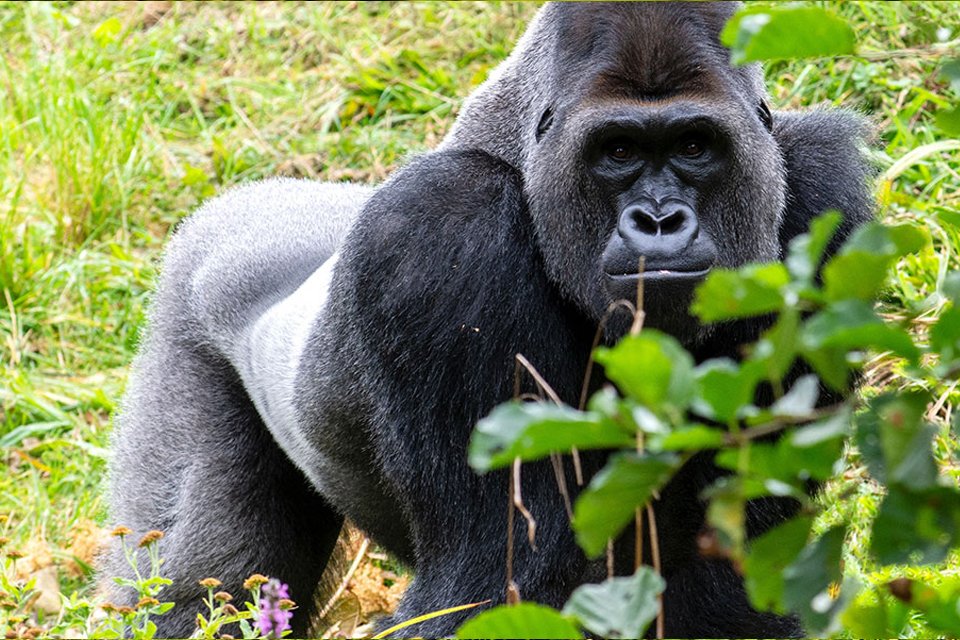
Gorilla tourism has delivered far more than conservation success in Uganda and Rwanda. In addition to protecting endangered mountain gorillas, it has transformed education in some of the most remote forest communities near Bwindi, Mgahinga, and Volcanoes National Park. Through Uganda gorilla safaris, Rwanda gorilla safaris, and regulated gorilla trekking tourism, long-term educational opportunities have been created where access was once extremely limited. As a result, a new generation of conservation-aware youth is being shaped, and communities are being empowered far beyond short-term economic gain.
Strengthening School Infrastructure
One of the earliest and most visible educational impacts of gorilla tourism has been school infrastructure development. Revenue generated through gorilla permit sharing programs has been directed toward building classrooms, teachers’ houses, libraries, sanitation facilities, and science rooms. In many border communities, learning was previously conducted in temporary shelters or outdoors. Today, modern school buildings are being used, and safer learning environments have been established. These improvements have been made possible because gorilla safaris prioritize community development alongside conservation.
Expanding Access Through Scholarships
In addition to infrastructure, educational access has been expanded through scholarship programs supported by gorilla tourism revenue. Children from low-income families are being sponsored to attend primary, secondary, and vocational institutions. In some cases, higher education opportunities are also being funded. In Rwanda, tourism income has supported students pursuing conservation-related careers such as wildlife biology, tourism management, and veterinary science. Through Uganda gorilla safaris and Rwanda gorilla safaris, education is no longer limited by geography or poverty.
Promoting Environmental Education
Environmental education has become a cornerstone of school programs near gorilla trekking regions. Wildlife clubs, tree-planting initiatives, conservation debates, and eco-camps are now being integrated into school life. Students are taught about gorilla behavior, forest biodiversity, habitat protection, and the dangers of poaching. Importantly, these lessons are often shared at home, creating wider conservation awareness within families. In this way, the impact of gorilla tourism education is multiplied throughout entire communities.
Supporting Teachers and Learning Resources
Teacher training has also been strengthened through gorilla tourism initiatives. Educators are being supported with workshops, conservation materials, and updated teaching resources. Environmental textbooks, posters, and activity guides are being distributed, making lessons more engaging and locally relevant. In many schools, learning quality has been improved because teachers are better equipped and supported. These developments ensure that conservation education is delivered effectively and consistently.
Inclusive Education for Marginalized Communities
Special focus has been placed on inclusive education, particularly for Batwa children who were historically displaced from forest lands. Gorilla tourism revenue has supported Batwa-inclusive schooling through scholarships, uniforms, meals, and learning materials. As a result, participation in formal education has increased, and long-standing inequalities are being addressed. This inclusion strengthens community trust and reinforces conservation partnerships.
Visitor and Lodge Contributions
Educational impact is further enhanced through visitor engagement and lodge-supported philanthropy. Travelers often donate books, supplies, or funds, while some participate in school visits and cultural exchanges. Meanwhile, lodges sponsor schools, fund computer labs, support teacher salaries, and build dormitories. These contributions ensure that educational support remains stable and long-term.
Long-Term Conservation Benefits
Over time, literacy levels have risen, attendance has improved, and more students are pursuing advanced education. Many now aspire to become rangers, guides, researchers, or conservation leaders. This shift ensures that future generations will actively protect gorillas and their habitats.
Conclusion
In conclusion, gorilla tourism has transformed education in Uganda and Rwanda. Through Uganda gorilla safaris and Rwanda gorilla safaris, schools have been built, opportunities expanded, and conservation values deeply rooted. These educational gains ensure that gorilla safaris remain sustainable, community-supported, and impactful for generations to come.