




Gear Up for the Mist: Essential Preparation for Rwanda
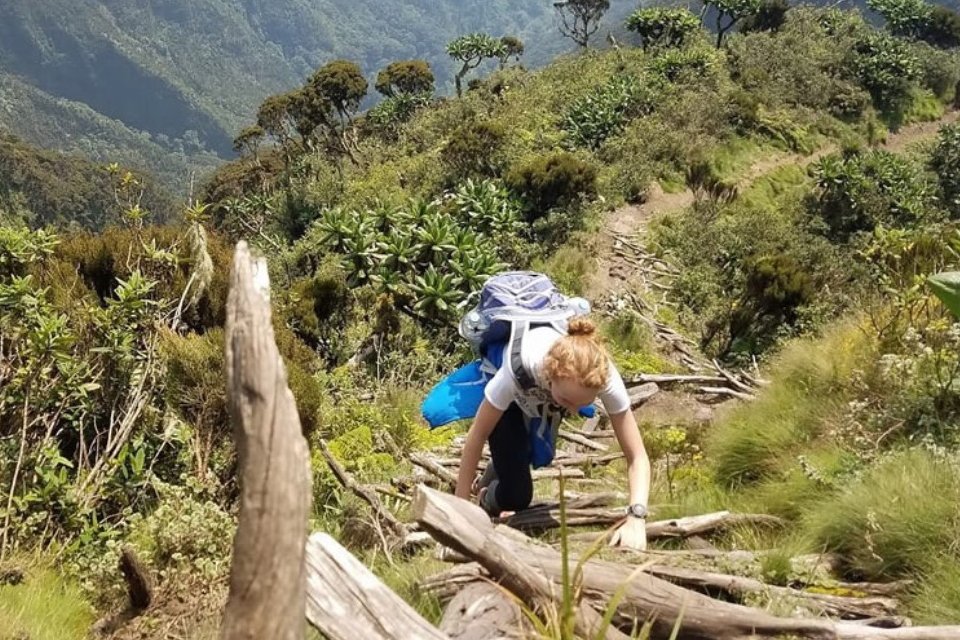
Proper preparation is a critical component of a successful Rwanda gorilla trekking experience. Because Volcanoes National Park features high-altitude slopes, dense bamboo, and misty ridges, travelers must select their gear carefully. This guide provides an essential checklist to ensure safety and comfort, allowing you to focus entirely on the primates rather than physical discomfort.
Footwear and Leg Protection
The most important gear for any trek is appropriate footwear. Sturdy, waterproof hiking boots with excellent grip are essential for navigating slippery floors and steep volcanic slopes. To ensure a painless journey, boots should be well broken-in before arrival to prevent blisters.
Furthermore, many visitors choose to wear gaiters. These protect the lower legs from:
- Thick Mud: Common during the rainy seasons.
- Stinging Nettles: Frequently encountered in the undergrowth.
- Insects: Providing an extra barrier against ants or leeches.
Layering for Variable Climates
Clothing layers are another crucial aspect of gorilla trekking in Rwanda. Because the Virunga volcanoes experience shifting temperatures, a versatile wardrobe is required. Breathable, moisture-wicking base layers should be paired with insulating mid-layers and a waterproof outer shell.
Long sleeves and pants are mandatory to protect against thorny vegetation. Additionally, lightweight trekking jackets provide the flexibility needed to add or remove layers as you move from cool morning mist into the warmer midday sun.
Stabilization and Hand Safety
Safety is significantly enhanced by using trekking aids. For instance, trekking poles are invaluable on steep terrain, as they help maintain balance and reduce knee strain during descents. Similarly, gardening gloves or specialized hiking gloves are highly recommended. These allow trekkers to grab onto branches or bamboo stalks for support without risking scratches or insect stings.
Essential Accessories and Tech
While your focus will be on the gorillas, several small items are necessary for a smooth day:
- Daypacks: A lightweight, waterproof pack should be used to carry water, snacks, and personal items.
- Hydration: Water bottles or bladders are vital, as dehydration occurs quickly at high altitudes.
- Protection: Even under the canopy, sunscreen and hats should be used to guard against UV exposure.
Regarding photography, your equipment must be ready for low-light conditions. Because the encounter is limited to one hour, fast autofocus and weather-sealed covers are essential for capturing high-quality memories of Rwanda gorilla trekking in the damp forest.
Documentation and Final Essentials
Finally, your trekking permit and identification must be carried at all times. These documents are strictly regulated by the Rwanda Development Board and are usually kept in waterproof sleeves. Small amounts of cash should also be brought for tipping trackers and porters who assist you on the mountain.