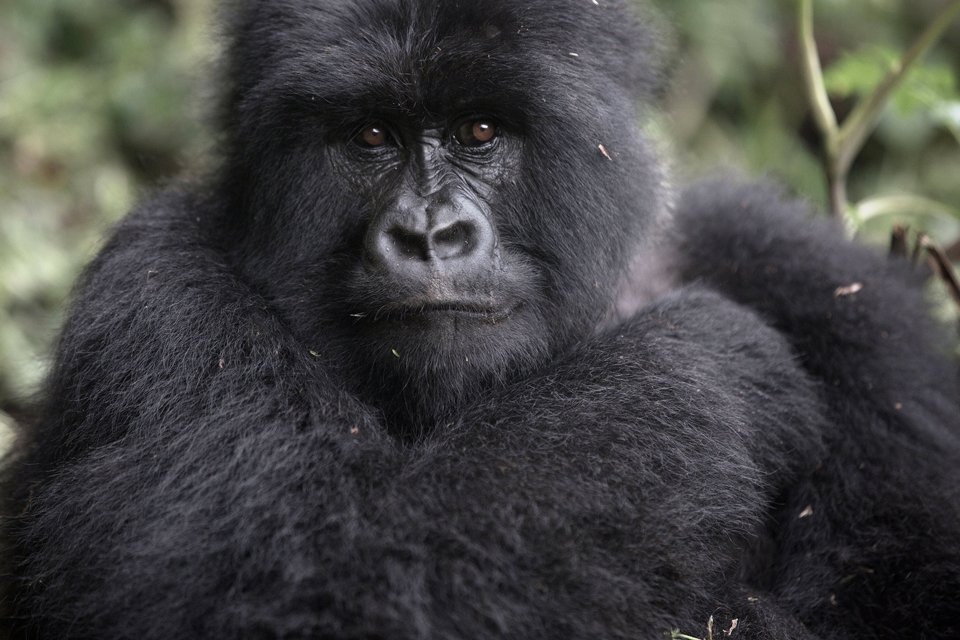
Gishwati Nature Retreat Lodge is a forest-edge eco-lodge designed for travelers exploring Gishwati–Mukura National Park. Positioned near one of Rwanda’s most important reforestation and conservation landscapes, the lodge offers a quiet, educational, and immersive stay for eco-tourists and nature enthusiasts.
The lodge’s location near regenerating forest habitats creates a unique safari experience. Unlike established gorilla trekking regions, Gishwati emphasizes restoration, biodiversity recovery, and long-term conservation. Staying here allows guests to witness conservation in progress rather than a finished product.
Accommodation at Gishwati Nature Retreat Lodge is modest yet comfortable. Rooms are built using environmentally conscious methods and materials, blending into the landscape. Interiors prioritize warmth, cleanliness, and functionality, offering a peaceful base for forest exploration.
Activities focus on low-impact nature engagement. Guided forest walks, birdwatching, primate tracking, and conservation briefings introduce guests to the park’s ecology and restoration story. These experiences appeal to travelers seeking learning and reflection rather than high-intensity wildlife encounters.
Dining is simple and locally sourced, with meals prepared using ingredients from surrounding communities. The communal dining style encourages interaction and discussion, often centered on conservation challenges and successes.
The lodge’s ethos aligns strongly with responsible tourism. Employment of local staff, support for community initiatives, and environmental education are central to its operations. Guests become participants in conservation rather than passive observers.
Gishwati Nature Retreat Lodge pairs well with gorilla trekking itineraries, adding a different conservation perspective to Rwanda safaris. It is especially suited to eco-tourists, researchers, students, and repeat safari travelers.
In summary, Gishwati Nature Retreat Lodge offers meaningful forest accommodation rooted in conservation and education. It represents Rwanda’s commitment to restoring ecosystems and promoting responsible travel.