

Full Comparison of Gorilla Habituation Versus Standard Trekking in Bwindi for Wildlife Photographers
For travelers and wildlife photographers interested in uganda gorilla trekking, Bwindi Impenetrable National Park offers two distinct experiences: standard gorilla trekking and the more immersive gorilla habituation experience. Both provide incredible opportunities to observe mountain gorillas in their natural habitat, but understanding the differences is essential for photographers seeking unique angles, lighting conditions, and extended interaction time during gorilla trekking in Uganda.
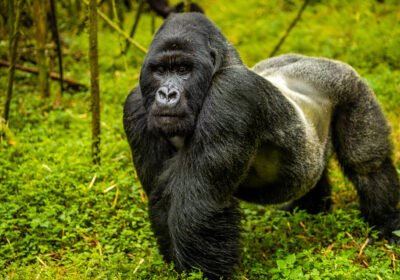
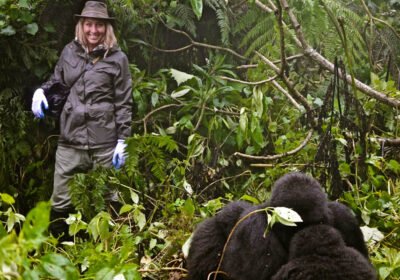
Standard gorilla trekking is the most common experience, accessible to the majority of visitors. Participants spend approximately one hour with a fully habituated gorilla family after a guided trek through the dense rainforest. The duration of the trek varies depending on the sector—Buhoma, Ruhija, Rushaga, or Nkuringo—and the distance the gorilla family travels on any given day. Standard trekking offers high predictability in terms of permit availability, cost, and logistics, making it suitable for travelers with limited time or moderate fitness levels. For photographers, one hour with the gorillas is sufficient to capture striking images, particularly when accompanied by skilled guides who assist in positioning visitors for optimal viewing. Despite the shorter encounter, standard treks provide a profound experience for both casual tourists and professional wildlife photographers.
In contrast, the gorilla habituation experience is more specialized and intensive. Available only in selected sectors, such as Rushaga, it allows visitors to spend up to four hours with a semi-habituated gorilla family. These groups are still in the process of adjusting to human presence, which means their behaviors are more natural and spontaneous. For wildlife photographers, this extended duration creates unique opportunities to capture rare moments: grooming sessions, playful interactions, or intricate family dynamics that may be missed during the standard one-hour encounter. The habituation experience is particularly appealing to photographers seeking storytelling shots, documentary-style images, and close-up portraits of gorillas in diverse lighting conditions within the forest.
Another key distinction lies in the level of predictability. Standard gorilla families are well habituated and often occupy defined territories, so sightings are highly reliable. Habituation families, however, may move more frequently, requiring expert trackers to locate them. This adds an element of adventure and unpredictability to the experience. Photographers who enjoy capturing wildlife in naturalistic, unposed conditions may find habituation treks more rewarding, though they should also be prepared for longer trekking distances and potentially challenging terrain. Understanding this distinction helps travelers plan according to their physical abilities, photography goals, and desired intensity of interaction.
The environmental conditions differ slightly as well. Standard trekking often occurs along commonly used forest paths, which are relatively accessible and allow for easy positioning to capture photographs. Habituation treks, by contrast, may lead photographers off the main paths into denser forest areas, bamboo zones, or steep slopes. These variations can produce more dramatic and atmospheric images but also require careful handling of photographic equipment, mindful movement, and patience. Wildlife photographers in particular must balance the desire for perfect shots with the rules of responsible gorilla trekking in Uganda, including maintaining distance, avoiding sudden movements, and following ranger guidance.
Cost is another differentiating factor. Gorilla habituation permits are significantly more expensive than standard trekking permits due to the intensive ranger efforts, limited slots, and extended observation time involved. Standard trekking, while costly compared to other wildlife experiences in Uganda, remains the more accessible option for most visitors. Travelers seeking a premium photography experience may view habituation trekking as an investment that allows for unparalleled access and storytelling opportunities.
Both experiences, however, share common benefits. Visitors enjoy close encounters with one of the world’s most endangered species, learn from expert trackers about gorilla behavior, and contribute directly to conservation through permit fees. Bwindi’s diverse sectors—Buhoma, Ruhija, Rushaga, and Nkuringo—offer a variety of forest landscapes, light conditions, and wildlife, ensuring that whether one chooses standard or habituation trekking, the adventure is visually and emotionally rewarding. For photographers, the choice often comes down to the desired duration of observation, willingness to navigate challenging terrain, and interest in capturing unique behavioral nuances of the gorillas.
In summary, both standard gorilla trekking and the gorilla habituation experience in Bwindi provide exceptional opportunities for wildlife photographers. Standard trekking offers reliable sightings, manageable treks, and a one-hour immersive encounter suitable for most visitors. Gorilla habituation, on the other hand, delivers extended observation time, rare behavioral insights, and unparalleled photography opportunities for those seeking a more intimate connection with mountain gorillas. Understanding these differences allows travelers to select the experience that aligns best with their goals, ensuring that uganda gorilla trekking remains one of the most memorable and rewarding wildlife adventures in the world.