





The Art of Selection: Finding Your Perfect Match for Rwanda Tours
Choosing the right gorilla family is one of the most critical decisions for visitors planning rwanda tours. Because Volcanoes National Park hosts several habituated groups, each family offers unique terrain, movement patterns, and levels of trekking difficulty. Consequently, understanding these differences allows travelers to select a group that aligns perfectly with their physical fitness. By making an informed choice, you can maximize your enjoyment during a specialized safari in Rwanda.
Evaluating Physical Difficulty for Rwanda Safaris
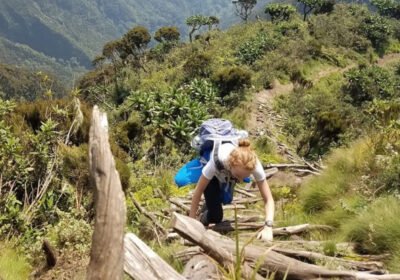
Trekking difficulty is the primary consideration when selecting a gorilla family for rwanda safaris. For instance, families such as the Susa group often require long and strenuous hikes due to the steep, high-altitude slopes. These treks are ideal for physically fit hikers who desire a challenging yet rewarding encounter with the primates. On the other hand, families like Agashya are frequently found in more accessible areas with moderate trails and gentle inclines. Therefore, these groups are more suitable for first-time trekkers or older travelers who may have limited physical stamina.
Terrain Diversity and Photography on a Safari in Rwanda
The specific forest terrain associated with each gorilla family also plays a significant role in your safari in Rwanda. Some groups prefer the dense bamboo forests where thick vegetation and slippery trails can slow your overall progress. While these areas provide an immersive rainforest experience, they can also challenge photographers who are trying to capture clear images. Conversely, certain families are accustomed to open forest paths where visibility is much better and the floor is easier to traverse. Selecting a family in these open areas is often recommended for high-quality photography during rwanda tours.
Social Dynamics and Family Composition
Another important factor is the size and social composition of the specific gorilla family you intend to visit. Large families with multiple silverbacks and numerous juveniles often attract visitors who enjoy observing complex social interactions and playfulness. Smaller families may provide a quieter and more intimate experience, although they sometimes involve more tracking effort if they roam. Understanding these social dynamics helps trekkers anticipate the type of wildlife encounter they will have during their rwanda safaris.
Expert Guidance for Rwanda Tours
Consulting with local guides is essential when deciding on a gorilla family for your rwanda tours. These experts have real-time knowledge of daily gorilla movements and the current conditions of the various mountain trails. They can recommend options that balance trekking difficulty and forest type with your personal interests and physical capabilities. By following professional advice, you ensure a safe and rewarding experience while exploring the magnificent forests of the Virunga region.
Conclusion: A Tailored Wildlife Experience
In summary, choosing a gorilla family requires careful consideration of trekking difficulty, family size, and seasonal forest conditions. By aligning these factors with your personal fitness, you can optimize your observation time and enjoy a meaningful encounter. Selecting the right family ensures that your safari in Rwanda is both a safe and fulfilling journey into the wild.