







The Foundation of Your Journey: Selecting a Premier Lodge
Selecting the right lodge is one of the most important decisions you will make when planning uganda gorilla trekking. The accommodation you choose determines your comfort, morning preparation time, and overall experience in Bwindi or Mgahinga. Because Bwindi is divided into four distinct sectors—Buhoma, Ruhija, Nkuringo, and Rushaga—it can be challenging to decide where to stay. This guide explains how to choose the perfect base for your safari in Rwanda or Uganda.
Prioritizing Proximity and Sector Logistics
The first factor most travelers must consider is proximity to the park entry gate. Staying close to the starting point significantly reduces your morning transfer time, especially since briefings usually begin at 7:30 AM. When choosing a lodge, you should avoid accommodations that are too far from the sector where your permit is assigned.
Because gorilla permits are sector-specific, sleeping in a lodge that is even two hours away can lead to unnecessary stress or arriving late for the briefing. For example, travelers with Buhoma permits should strictly choose rwanda tours style accommodations within the Buhoma area. This ensures a relaxed start to your uganda gorilla trekking day.
Accommodation Tiers for Every Budget
Whether you seek indulgence or affordability, the region offers diverse options:
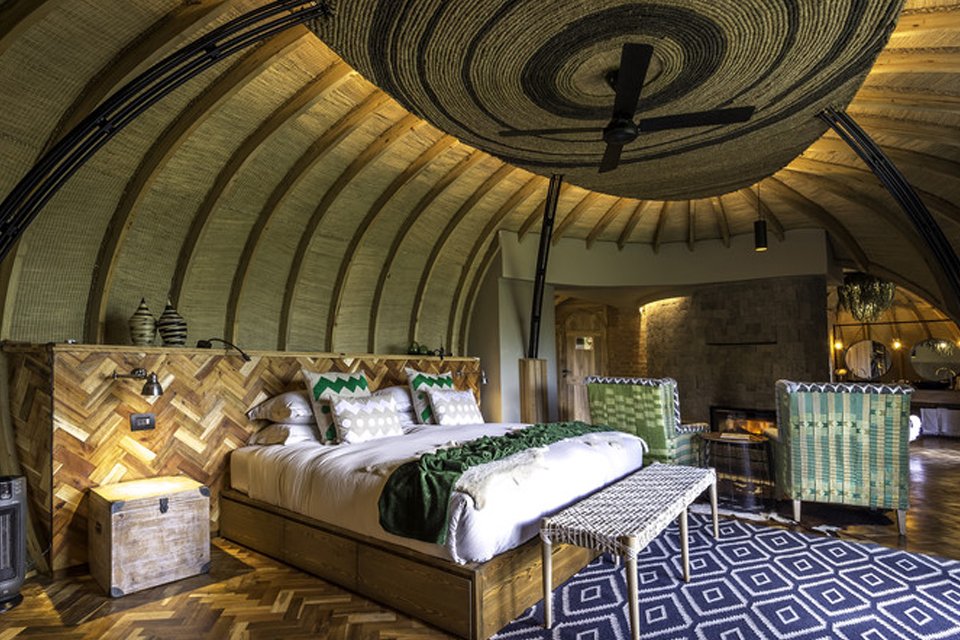
- Luxury Lodges: These properties offer gourmet dining, private decks, and professional butler services. Many luxury lodges provide massage treatments and fireplaces, which are perfect for relaxing after a challenging trek.
- Midrange Comfort: These lodges deliver excellent value by providing well-furnished cottages and warm hospitality. They are favored by travelers who want a balance between affordability and convenience during rwanda safaris.
- Budget Guesthouses: Simple and clean, these options make trekking accessible to everyone. While luxury amenities are missing, the local touch and proximity to the park remain high.
Essential Amenities and Ethical Choices
Amenities also influence the decision-making process for a safari in Rwanda. Hot showers, reliable electricity, and hearty meals are essential for recovery after a long day in the forest. Furthermore, photographers should prioritize lodges with ample charging stations for heavy gear.
Importantly, the lodge’s relationship with local communities should be considered. Many accommodations around Bwindi support community tourism initiatives and employ local residents. By choosing eco-friendly or community-owned lodges, you ensure that your uganda gorilla trekking revenue directly benefits the people living adjacent to the park.
Conclusion: Matching Lodge to Lifestyle
Ultimately, selecting the right lodge requires balancing your budget with the logistical needs of your trekking sector. Luxury lodges offer exceptional views, while budget options ensure you stay within your financial goals without compromising the core experience. Regardless of your choice, staying near your assigned gate is essential for a smooth day. With the right accommodation, your entire journey becomes more comfortable and memorable.