








Full Guide to Gorilla Photography Rules and Ethics When Visiting Bwindi or Mgahinga
For travelers and wildlife photographers engaging in uganda gorilla trekking, capturing images of mountain gorillas is often a primary objective. However, photographing these endangered animals requires adherence to strict rules and ethical guidelines to ensure both the safety of the gorillas and the quality of the gorilla trekking in Uganda experience. Understanding and following these rules allows visitors to document the forest and its wildlife responsibly while minimizing disturbance to gorilla families.
One of the fundamental rules is maintaining a safe distance from the gorillas. Uganda Wildlife Authority (UWA) specifies that trekkers should remain at least seven meters away from gorillas at all times. This distance reduces the risk of transmitting human diseases to gorillas, who share over 98% of their DNA with humans and are highly susceptible to respiratory infections. Photographers must plan their shots accordingly, using telephoto lenses to capture close-up images without encroaching on the animals’ personal space. Respecting distance is essential for ethical gorilla trekking in Uganda photography.
Another key consideration is avoiding sudden movements and noise. Gorillas are sensitive to human behavior and may become stressed or defensive if startled. Photographers should move slowly, speak softly, and refrain from gestures that could be interpreted as threatening. Using camera flash is strictly prohibited, as bright lights can startle gorillas and disrupt natural behaviors. Adhering to these guidelines ensures that gorilla trekking in Uganda remains safe and that images reflect natural, undisturbed behaviors rather than reactions to human interference.
Time management is also critical. Gorilla permits typically allow one hour with the gorilla family. During this period, photographers must be mindful of other trekkers, maintaining patience and consideration while positioning for optimal shots. Working closely with guides and trackers can help determine the best angles and moments for photography, ensuring that images are both compelling and respectful. Following this practice maintains the integrity of gorilla trekking in Uganda for all participants.
Ethical photography also involves focusing on natural behavior rather than staged shots. Photographers should avoid attempting to provoke interactions or manipulate gorilla movements for dramatic photos. Capturing feeding, grooming, resting, or playful behavior is acceptable, as long as the animals are undisturbed. Ethical photographers also resist the temptation to approach infants or dominant silverbacks closely, prioritizing safety for both the animal and themselves. This approach ensures that gorilla trekking in Uganda remains conservation-friendly and aligned with long-term protection efforts.
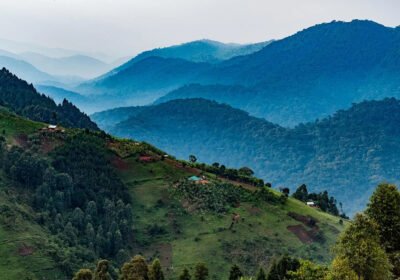
Proper handling of equipment is essential. Cameras, lenses, and tripods should be managed carefully to avoid accidental contact with gorillas or the environment. Porters, if available, can assist with carrying and stabilizing equipment, allowing photographers to focus on framing shots without compromising safety. Using protective bags or covers ensures that rain, mud, and humidity do not damage sensitive gear, particularly in Bwindi’s and Mgahinga’s rainforest conditions, which can be wet and unpredictable. This preparation is a practical component of responsible gorilla trekking in Uganda photography.
Photographers should also consider ethical sharing and representation. Images should accurately reflect the gorillas’ natural environment and behavior without exaggeration or staging. Respect for the animals’ dignity and the cultural context of local communities is vital, particularly when images include Batwa or other indigenous participants. Responsible sharing of photographs supports conservation awareness and educates others about the importance of protecting these endangered species, extending the impact of uganda gorilla trekking experiences beyond the forest.
Finally, dressing appropriately enhances both comfort and ethical compliance. Neutral-colored clothing minimizes visual disruption to gorillas and reduces stress, while protective layers ensure trekkers can focus on photography rather than discomfort from rain, mud, or insects. By combining ethical behavior, technical preparation, and personal readiness, visitors can maximize their photography experience while adhering to UWA guidelines for gorilla trekking in Uganda.
In conclusion, ethical and responsible photography is a crucial component of any uganda gorilla trekking adventure. Maintaining safe distances, avoiding flash, respecting natural behavior, managing equipment carefully, and adhering to time limits ensures the welfare of gorillas and enhances the quality of the gorilla trekking in Uganda experience. By following these rules and guidelines, photographers contribute to conservation, education, and the long-term sustainability of these incredible wildlife encounters, capturing moments that are both memorable and ethically responsible.