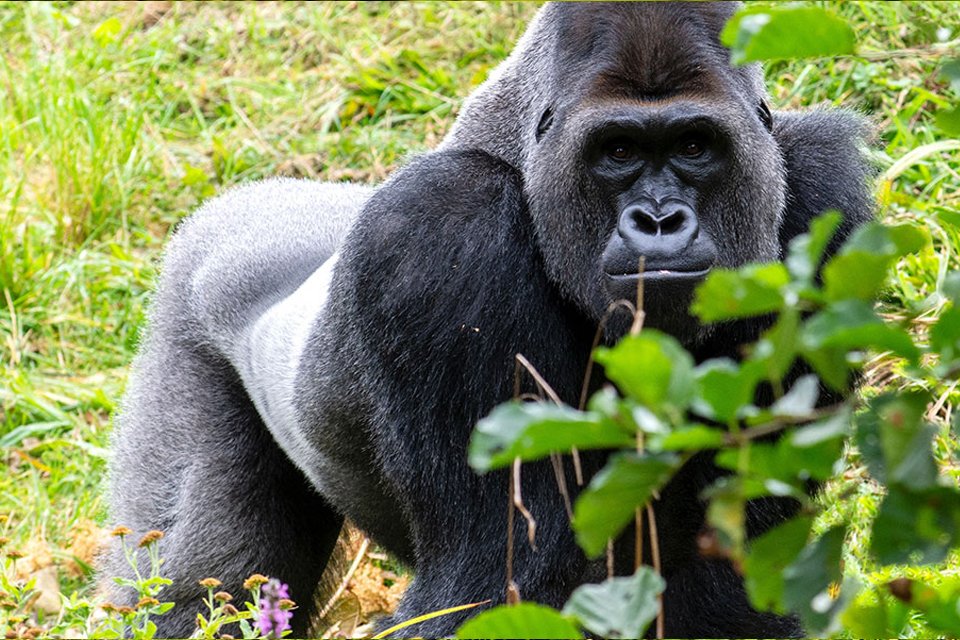
Gorilla trekking is widely considered one of Africa’s most powerful wildlife encounters, and choosing between gorilla trekking in Uganda and Rwanda is a key decision for travelers planning a rainforest safari. Although both countries protect mountain gorillas and offer unforgettable encounters, the overall experience differs significantly. These differences are shaped by terrain, cost, accessibility, atmosphere, and travel style, making each destination suitable for different types of travelers.
Gorilla Trekking Experience and Terrain
To begin with, gorilla trekking in Uganda is often described as more adventurous and physically engaging. Uganda’s gorilla parks, particularly Bwindi Impenetrable National Park, are characterized by dense rainforest, steep valleys, and rugged trails. Treks are conducted deep within the forest, and a strong sense of wilderness is felt throughout the journey. Because gorilla movement varies daily, trekking times can be unpredictable, adding excitement and authenticity to the experience.
In contrast, Rwanda gorilla trekking takes place in Volcanoes National Park, where the landscape is more open and dominated by bamboo forests and volcanic slopes. Trails are generally clearer, and visibility is often better. As a result, the trekking experience feels more structured and polished, although physical effort is still required. The experience is carefully managed, and a high level of organization is consistently maintained.
Cost and Value Considerations
One of the most significant differences lies in permit costs. Uganda gorilla trekking permits are considerably more affordable, making Uganda the preferred option for travelers seeking value without compromising conservation standards. Because costs are lower, longer itineraries can be planned, often combining gorilla trekking with chimpanzee tracking or classic wildlife safaris.
Meanwhile, Rwanda positions itself as a premium destination. Although permit costs are higher, revenue is heavily reinvested into conservation, community projects, and high-end tourism. As a result, Rwanda appeals to travelers who prioritize luxury, efficiency, and exclusivity over budget flexibility.
Accessibility and Travel Logistics
Accessibility also plays a major role in decision-making. Volcanoes National Park in Rwanda is located just two to three hours from Kigali International Airport, making it ideal for short trips or luxury fly-in itineraries. Travel logistics are streamlined, and road conditions are excellent.
Uganda’s gorilla parks require longer travel times, either by road or domestic flights. However, the journey is often viewed as part of the adventure, as travelers pass through scenic countryside, rural communities, and diverse ecosystems. For longer safaris, this added depth is often appreciated.
Accommodation and Atmosphere
Accommodation styles further distinguish the two destinations. Uganda offers a wide range of lodges, from budget community camps to high-end eco-luxury properties spread across multiple trekking sectors. This variety allows travelers to customize their experience.
Rwanda’s accommodation options are more concentrated at the luxury end, with refined lodges located close to park boundaries. The atmosphere is modern, elegant, and highly curated, reinforcing Rwanda’s premium safari image.
Overall Atmosphere and Travel Style
Ultimately, gorilla trekking in Uganda feels remote, immersive, and deeply connected to nature and local communities. Cultural interactions and community tourism are often woven naturally into itineraries. Rwanda, on the other hand, delivers a smoother, more time-efficient experience with strong emphasis on comfort and exclusivity.
Conclusion: Which Destination Is Right for You?
In summary, travelers seeking affordability, adventure, and wilderness immersion often choose gorilla trekking in Uganda, while those prioritizing convenience, luxury, and shorter travel times tend to prefer Rwanda. Both destinations offer extraordinary gorilla encounters, but the ideal choice depends on travel style, expectations, and personal priorities.