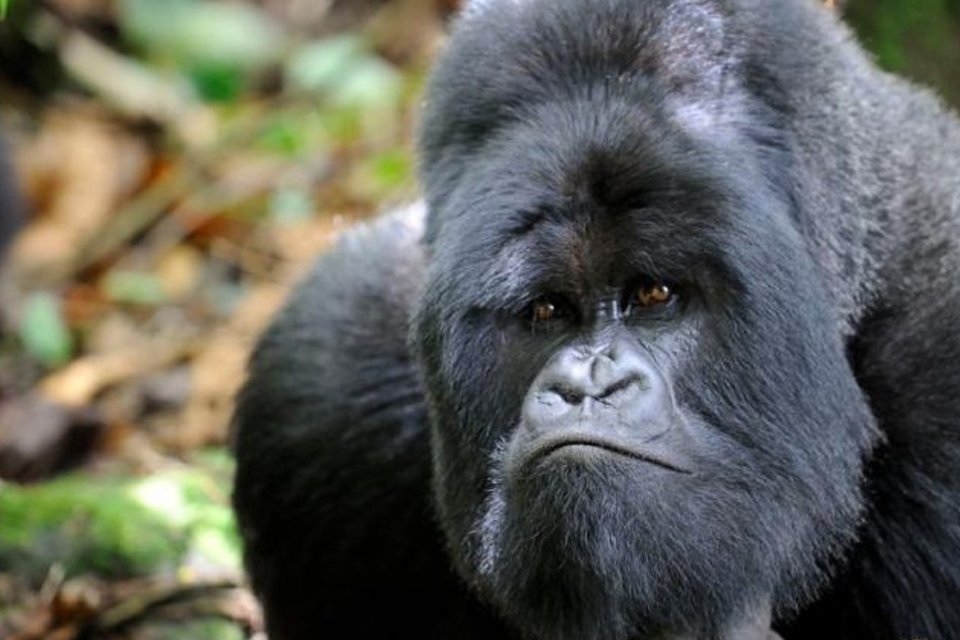
Health and safety are essential components of a successful gorilla trekking experience in Uganda or Rwanda. Both countries host mountain gorillas in high-altitude rainforests where terrain can be difficult and weather can change quickly. To enjoy gorilla safaris in Uganda with confidence, travelers should understand the health guidelines, safety practices, and hygiene protocols required for entering protected gorilla habitats. These rules exist not only to protect trekkers but also to safeguard the endangered gorillas, which are extremely vulnerable to human diseases due to their genetic similarity to humans.
One of the most important health considerations is physical readiness. Gorilla trekking in Uganda involves hiking through steep, slippery, and sometimes muddy terrain for several hours. Trekkers are encouraged to build cardiovascular stamina, leg strength, and flexibility before traveling. Regular walking, jogging, stair climbing, and light strength training can significantly improve your comfort on the trails. Altitude awareness also matters, as the trek takes place at elevations between 2,000 and 3,000 meters where breathing may feel slightly more difficult.
Hydration and nutrition play vital roles in maintaining your energy levels throughout the trek. Drink sufficient water before and during the hike, and bring snacks such as energy bars or nuts for quick fuel. You should also avoid heavy alcohol consumption the night before the trek to prevent dehydration and fatigue. On the trail, take regular breaks to rest, stretch, and breathe steadily. The guides set a manageable pace for everyone, ensuring safe progress through the forest.
Hygiene protocols are extremely important during gorilla trekking in Uganda and Rwanda because mountain gorillas can easily contract human diseases. Trekkers showing symptoms of flu, fever, or cough may be denied access to the trek to protect gorilla families from infection. On trek day, guides emphasize the importance of not coughing or sneezing directly toward the gorillas. If unavoidable, you must turn your head away and cover your mouth. Maintaining a distance of at least seven meters from the gorillas further minimizes risk. Even though gorillas sometimes move closer out of curiosity, visitors must remain still and avoid any form of physical contact.
Hand hygiene is equally important. Wash your hands or use sanitizer before and after entering the forest. Avoid touching your face, mouth, or camera lenses after contact with vegetation unless your hands are clean. These small steps help maintain a sterile environment that prevents disease transmission to gorillas and protects trekkers from bacteria in the forest.
Another crucial safety practice is the proper use of trekking equipment. Walking sticks, provided at the briefing point, help you maintain balance on steep and slippery terrain. Hiring a porter is highly recommended for all trekkers, regardless of fitness level. Porters assist with carrying backpacks, navigating tricky paths, and offering support during steep climbs. Their work reduces your risk of falls and ensures you remain focused on enjoying the trek rather than struggling with weight or balance. Moreover, hiring porters supports local communities and reduces pressure on the forest ecosystem.
In terms of wildlife safety, gorillas are gentle but powerful animals. During encounters, follow all ranger instructions carefully. Avoid making sudden movements, pointing fingers, standing over gorillas, or attempting to touch them. Keep your voice low and avoid direct eye contact if advised. If a silverback displays dominance behaviors, such as chest beating or grunting, remain calm and trust your guides—they are experts in interpreting gorilla communication.
Environmental safety also matters. Wear proper boots to prevent slips, dress in long sleeves to protect from vegetation, and bring a rain jacket for sudden weather changes. Apply insect repellent to prevent bites. Carry any personal medications such as inhalers or antihistamines, and inform your guide of health conditions that may require assistance. Because gorilla safaris in Uganda occur in remote areas, having a basic first aid kit with bandages, pain relievers, and blister pads adds an extra layer of safety.
Travel insurance is another key component of your health and safety plan. Ensure your policy covers trekking activities, medical evacuation, and adventure travel. This protects you in case of unexpected injuries, altitude sickness, or travel disruptions.
By prioritizing health, hygiene, and safety protocols, trekkers not only protect themselves but also contribute to the long-term survival of mountain gorillas. These precautions ensure that gorilla trekking in Uganda and Rwanda remains sustainable, responsible, and deeply rewarding for all visitors.