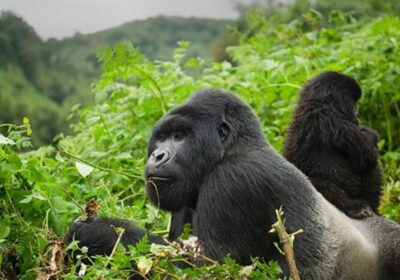


















How Bwindi’s Gorilla Families Interact

Bwindi Impenetrable National Park is home to numerous habituated gorilla families, each exhibiting unique behaviors, social structures, and interactions. Understanding how these families interact and how guides locate them enhances the uganda gorilla trekking experience, providing visitors with deeper insight into gorilla behavior and forest ecology. For travelers undertaking gorilla trekking in Uganda, this knowledge also highlights the skill and expertise of Uganda Wildlife Authority (UWA) rangers, who ensure that treks are safe, successful, and memorable.
1. Gorilla Social Structures
Gorilla families, often referred to as troops, are typically led by a dominant silverback—the largest and strongest male who protects and guides the group. A typical Bwindi gorilla family includes:
- Silverback: Leader and protector, making decisions on movement, feeding, and conflict resolution.
- Adult females: Mothers that care for infants and maintain bonds with the silverback.
- Juveniles and infants: Playful and curious members who engage in social learning.
- Subadult males: Younger males that may challenge the silverback as they mature.
Family sizes vary from 5 to over 20 members. Social dynamics influence where the group feeds, rests, and moves within the forest. Guides observe these interactions closely because the behavior of the silverback and group movements provides clues for locating the family each morning.
2. Daily Routines and Interaction Patterns
Bwindi gorillas follow consistent daily routines that guides use to track them:
a. Feeding
Gorillas spend 50–70% of their day feeding on leaves, stems, fruits, and bamboo shoots. Feeding grounds may shift depending on season and availability of vegetation. Guides know preferred feeding zones for each family, which helps in predicting their morning location.
b. Resting
Gorillas rest between feeding sessions. During gorilla trekking in Uganda, visitors often find them in shaded clearings, laying down, or sitting quietly. Observing rest patterns helps guides determine how far a family may have moved overnight.
c. Grooming
Social grooming strengthens family bonds. Adult females groom each other and juveniles, while the silverback receives grooming from select family members. This behavior indicates strong cohesion and reduces the likelihood of conflict.
d. Play and Interaction Among Juveniles
Juveniles engage in wrestling, climbing, and mock fighting. These playful interactions provide energy, social learning, and practice for adult behaviors. Observing these patterns allows guides to anticipate where younger gorillas may be during the trek.
3. How Guides Locate Gorilla Families
UWA rangers and trackers employ several techniques to find gorillas each morning:
a. Tracking Nests
Gorillas build sleeping nests daily using vegetation. Guides follow fresh nests to determine the general area of a family. The type of leaves used, fresh droppings, and broken stems provide critical clues.
b. Vocalizations
Gorillas communicate with grunts, roars, and chest-beating. Experienced guides interpret these sounds to locate families or detect if a silverback is moving in a specific direction.
c. Scent and Droppings
Fresh droppings and territorial markings help guides determine a family’s size, age composition, and likely path. Some rangers are highly skilled at interpreting these signs to predict movement patterns.
d. Previous Day’s Movements
Each gorilla family has predictable patterns based on habitat preference, feeding zones, and elevation. Guides combine historical data with current observations to optimize tracking efficiency.
e. Coordination With Trackers
Local trackers patrol the forest early in the morning to scout gorilla locations. Their reports inform guides, ensuring trekkers spend less time searching and more time observing gorillas.
4. Interactions That Enhance the Trekking Experience
Visitors witness fascinating behaviors during the one-hour gorilla encounter:
- Dominance displays: The silverback may beat its chest to assert authority or communicate with other males.
- Family bonding: Mothers and infants show tender interactions, often hugging or playing.
- Conflict resolution: Minor disputes among subadult males or juveniles are resolved peacefully under the silverback’s supervision.
- Playful curiosity: Juveniles may approach trekkers cautiously, providing memorable photographic opportunities.
Understanding these interactions helps visitors appreciate the intelligence, emotional depth, and complexity of gorilla society.
5. Tips for Trekking With Bwindi Gorilla Families
- Follow the guide’s instructions: Stay 7 meters away and avoid loud noises.
- Observe without interference: Gorillas may react to sudden movements or gestures.
- Photograph respectfully: Focus on faces and interactions without disturbing their routine.
- Pay attention to behavior cues: Guides use subtle signals to determine when the family may move or rest.
These practices ensure safety for both trekkers and gorillas while providing a meaningful wildlife encounter.
6. Why Guides’ Expertise Matters
Experienced guides enhance the uganda gorilla trekking experience by:
- Reducing search time, maximizing observation hours.
- Explaining social dynamics, diet, and behaviors to trekkers.
- Ensuring safety through knowledge of forest hazards and gorilla reactions.
- Tailoring treks based on visitor interests, such as photography or family behavior observation.
Conclusion
Bwindi’s gorilla families display intricate social interactions, from dominant silverback leadership to playful juvenile behavior. Skilled guides and trackers use signs such as nests, vocalizations, and movement patterns to locate families efficiently each morning. Understanding these dynamics enriches every gorilla trekking in Uganda adventure, allowing visitors to witness intimate moments, capture memorable photographs, and experience one of the most extraordinary wildlife encounters on Earth. The combination of ecological knowledge, local expertise, and careful observation ensures that every trek is safe, informative, and unforgettable.