



Capturing the Emerald Giants: A Photography Guide
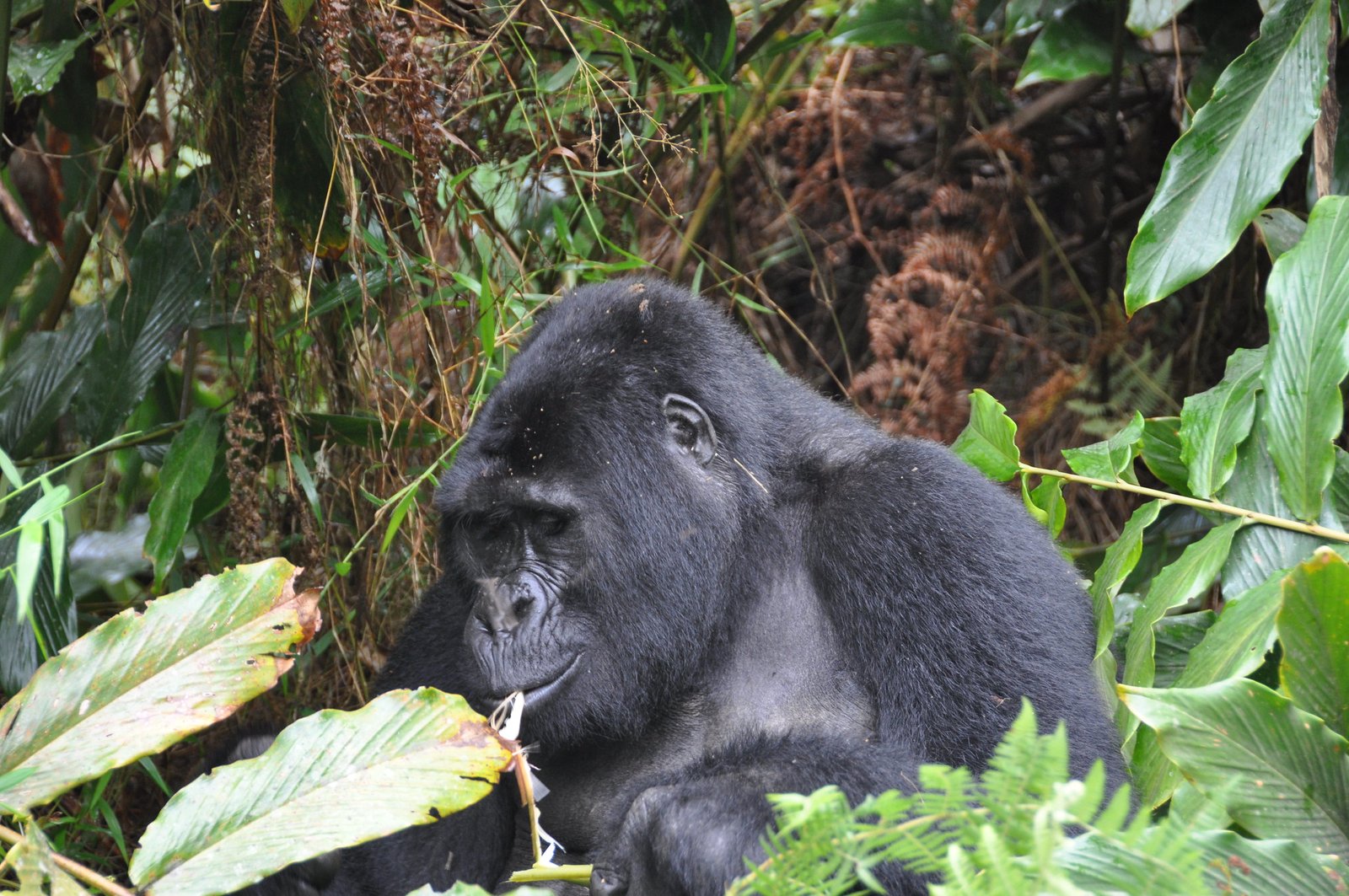
Gorilla photography is arguably the most rewarding aspect of any safari in Rwanda or Uganda. However, Bwindi Impenetrable National Park presents unique challenges due to its dense rainforest vegetation. As one of Africa’s oldest forests, Bwindi is naturally layered with tangled vines and ancient trees. Consequently, this environment affects visibility and lighting, forcing photographers to prepare meticulously to maximize their encounter.
Navigating Limited Lines of Sight
The first major impact of Bwindi’s vegetation is the significantly limited line of sight. Unlike open savannah parks where wildlife is visible from a distance, uganda gorilla trekking occurs deep within a thick canopy. Even when gorillas are only a few meters away, broad leaves and branches often partially cover them. Therefore, photographers must constantly adjust their angles to find small openings in the foliage. While guides may assist by pointing to better positions, they always prioritize the safety of the gorillas. Ultimately, trekkers who remain patient and flexible usually secure the most compelling results during their rwanda tours.
Mastering the Dimly Lit Canopy
Another significant challenge is the unpredictable lighting found beneath the forest roof. Because the thick canopy filters sunlight, a dramatic but difficult environment is created for digital sensors. Bright sun is often blocked by dense layers of leaves, resulting in dim, diffused light that can easily blur a shot. Furthermore, narrow gaps in the trees may create sharp contrasts or patches of uneven brightness. To counter these conditions, manual camera settings are far more effective than automatic modes. Travelers on rwanda safaris should be prepared to adjust their ISO and aperture frequently to match these shifting exposures.
Managing Intimacy and Physical Obstacles
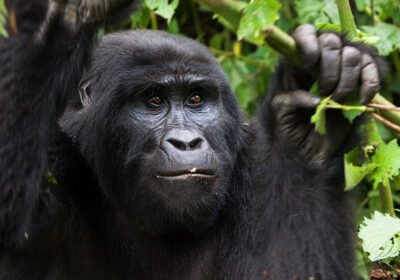
Due to the density of the brush, viewing distances during gorilla encounters are often much closer than in other wildlife experiences. While the official rule is to maintain a seven-meter gap, mountain gorillas do not always follow these human guidelines. This intimacy provides extraordinary opportunities for close-up portraits, yet it also requires photographers to adapt to tight spaces. In such scenarios, wide-angle lenses often become more practical than heavy telephoto gear.
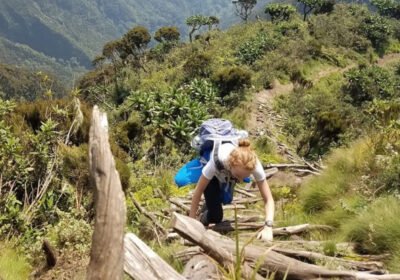
Moreover, the forest floor is notoriously uneven and muddy. Because tripods are rarely helpful in the cluttered terrain, monopods or image-stabilized lenses provide better flexibility. Many photographers adopt a crouching posture to stabilize their shots while following guide instructions. By being physically prepared for these movements, you increase your chances of capturing sharp, meaningful images during your safari in Rwanda.
Conclusion: Creativity Through Challenge
Despite these many challenges, Bwindi’s greenery provides a stunning, high-depth background for gorilla portraits. Filtered light can create magical highlights, especially when infants play or silverbacks pose thoughtfully. Professional photographers often argue that these challenging conditions actually enhance creativity by forcing them to focus on intimate expressions rather than standard long-distance shots. By bringing weather-sealed equipment and a firm grasp of manual settings, your uganda gorilla trekking journey will yield a world-class gallery of memories.