

Community Tourism as the Heart of Rwanda’s Gorilla Experience
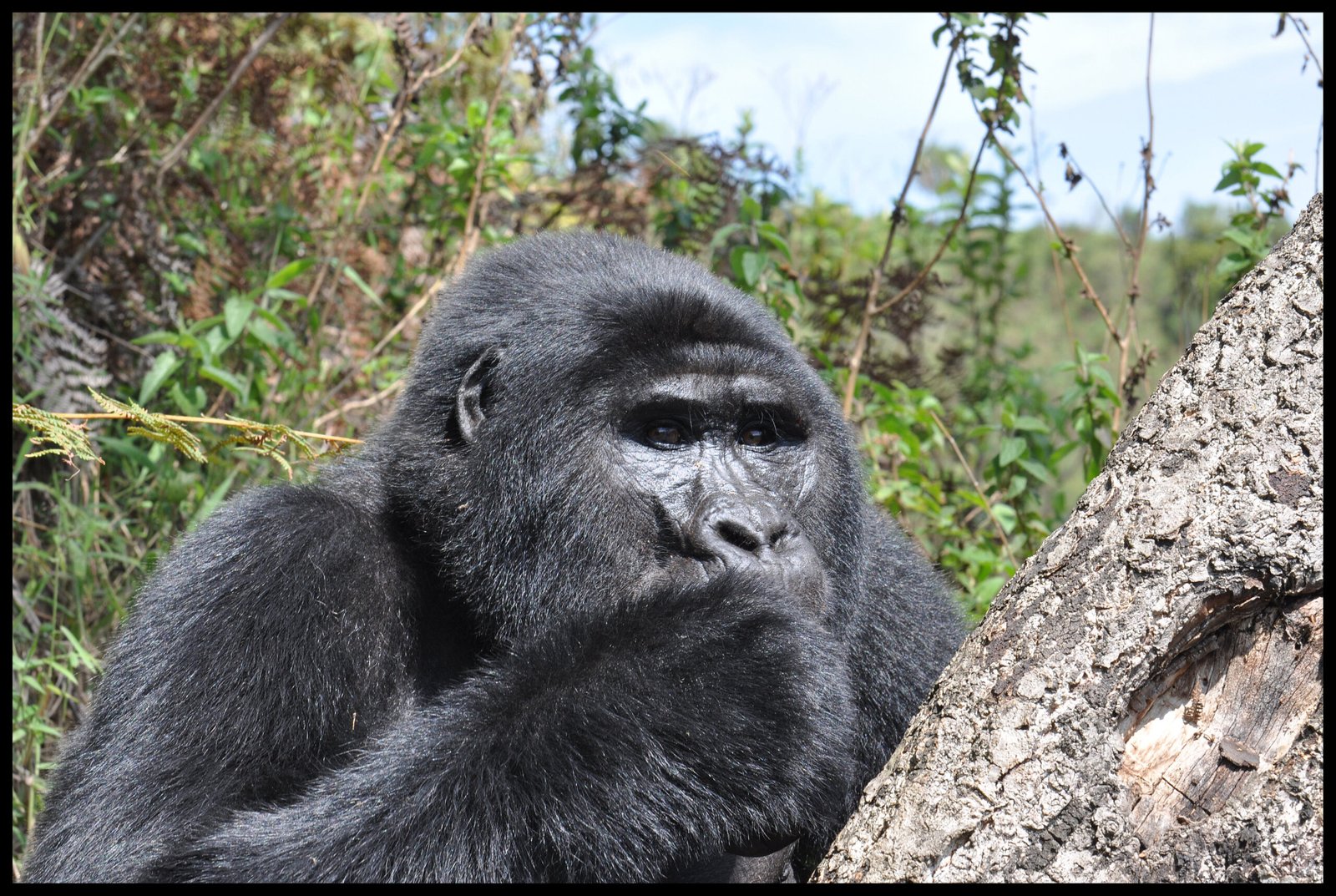
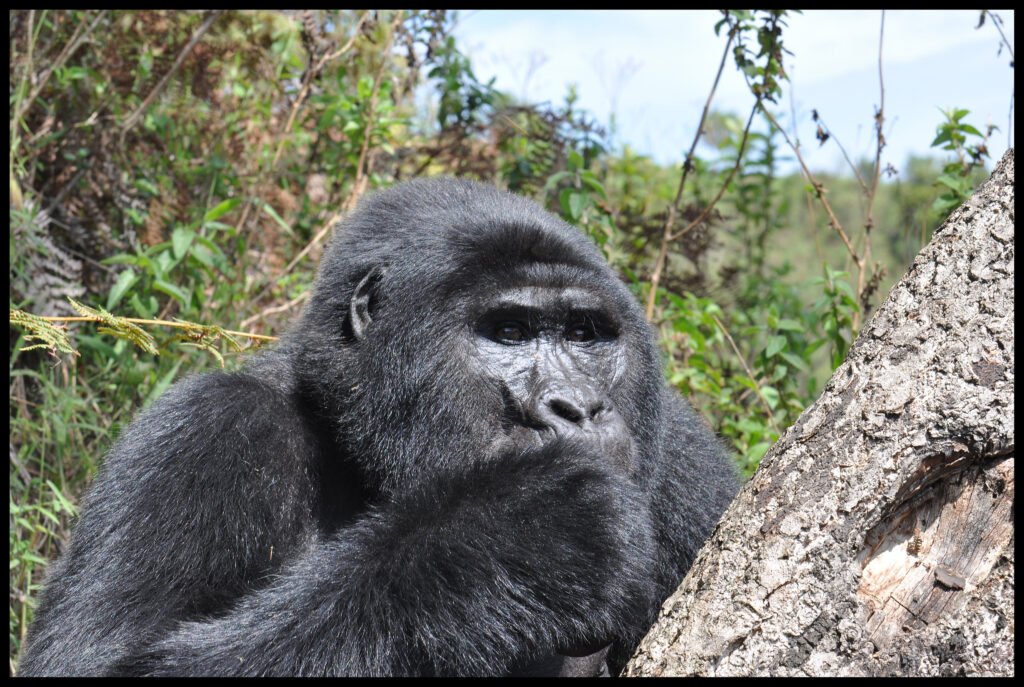
Community-based tourism around Volcanoes National Park stands out as one of Rwanda’s greatest tourism strengths and plays a transformative role in shaping the gorilla trekking experience. While gorilla trekking in Uganda also integrates communities—particularly in areas such as Buhoma and Rushaga—Rwanda’s model is more structured, polished, and deeply embedded within national tourism policy. As a result, travelers enjoy a richer, more meaningful journey, while local communities benefit directly and sustainably from gorilla conservation.
Gorilla Guardians Village: Culture, Conservation, and Transformation
One of the most powerful expressions of community tourism in Rwanda is the Gorilla Guardians Village, located near the Kinigi headquarters. This vibrant cultural center introduces visitors to traditional Rwandan life through music, dance, storytelling, craft-making, and herbal medicine. Importantly, many guides and performers are former poachers who have transitioned into conservation ambassadors. Through their stories, visitors clearly see how gorilla trekking creates viable alternatives to poaching. Although similar transitions exist during gorilla trekking in Uganda, Rwanda’s presentation is notably more immersive and thoughtfully curated.
Authentic Human Connections Beyond the Forest
Beyond formal cultural villages, community-based tourism around Volcanoes National Park encourages authentic interaction. Travelers may participate in basket weaving, farming demonstrations, cooking experiences, or traditional ceremonies. These moments foster genuine connections and deepen appreciation for rural Rwandan life. After the emotional intensity of gorilla trekking, such interactions help travelers understand the close relationship between people, land, and wildlife.
Revenue Sharing: A Model of Inclusive Conservation
A cornerstone of Rwanda’s success lies in its revenue-sharing model. The government allocates 10 percent of all gorilla permit revenue directly to surrounding communities. These funds support schools, health centers, roads, clean water projects, and cooperative enterprises. Consequently, communities actively protect gorillas because tourism visibly improves their quality of life. While Uganda gorilla trekking also includes revenue sharing, Rwanda’s higher permit fees significantly amplify community impact.
Seeing Conservation Benefits Firsthand
Visitors frequently witness the results of this system firsthand. Schools built through tourism funding welcome guests, women’s cooperatives demonstrate handicrafts, and local guides openly discuss how gorilla tourism has lifted families out of poverty. This transparency adds emotional depth to the trekking experience, because travelers clearly understand how their visit contributes to conservation and development.
Porters and Livelihood Transformation
Community tourism also strengthens Rwanda’s porter system, which is integral to gorilla trekking. Porters—many from vulnerable backgrounds—earn stable income by assisting trekkers and guiding them safely through the forest. This employment reduces pressure on natural resources and discourages illegal activities. While a similar system exists during gorilla trekking in Uganda, Rwanda’s porters often benefit from more formal training and structured support.
Community-Owned Lodges and Sustainable Luxury
Community involvement extends into accommodation through initiatives such as Sabyinyo Silverback Lodge, which is owned by the Sabyinyo Community Livelihood Association (SACOLA). Profits from the lodge are reinvested into education, reforestation, water access, and small business programs. Guests enjoy refined hospitality while knowing their stay directly supports long-term community development.
Crafts, Agriculture, and Everyday Stories
Travelers can also visit local cooperatives producing honey, pottery, banana beer, and woven baskets. Purchasing these products keeps income within the community and empowers women and artisans. These experiences complement gorilla trekking by revealing the human stories that underpin Rwanda’s conservation success.
Conclusion: A Holistic and Inspiring Safari Model
In conclusion, community-based tourism around Volcanoes National Park greatly enriches the gorilla trekking experience by connecting travelers with culture, conservation, and local livelihoods. While gorilla trekking in Uganda also demonstrates strong community involvement, Rwanda’s highly structured and impactful approach stands among the world’s most inspiring conservation-tourism models. Visitors leave not only with memories of mountain gorillas, but also with a deep emotional connection to the people who protect them.