












How Difficult Is the Gorilla Trekking Experience in Uganda? A Closer Look
The difficulty of gorilla trekking in Uganda varies widely depending on the sector, the specific gorilla family being visited, weather conditions, and a traveler’s personal fitness level. While many visitors complete the trek successfully every year, it is important to understand the physical demands, terrain challenges, and environmental factors that define the overall experience. Ugandan gorilla trekking is not simply a walk in the forest—it is an immersive jungle adventure through one of Africa’s most biologically diverse ecosystems. Knowing what to expect helps trekkers prepare properly and get the most out of their uganda gorilla trekking journey.
Bwindi Impenetrable National Park, the main destination for gorilla trekking in Uganda, is named “Impenetrable” for a reason. The terrain is rugged, steep, and densely forested. Trails are not always clearly defined, and trekkers must follow guides through thick vegetation, sometimes requiring cutting through vines or stepping over fallen logs. The trek can range from one to six hours each way, depending on the location of the gorilla family being tracked that morning. Some families remain close to base; others move deeper into the forest, leading to longer and more challenging hikes. Trekkers should therefore be prepared for unpredictability and variation.
Altitude is another major factor that contributes to the difficulty of uganda gorilla trekking. Bwindi’s altitude ranges from 1,160 to 2,607 meters above sea level. The higher sections, such as those in Ruhija and Nkuringo, can leave unprepared trekkers breathless if they are not accustomed to hiking in elevated terrain. The combination of steep slopes and thinner air means pacing oneself is essential. Guides encourage trekkers to take frequent breaks, drink water regularly, and maintain steady but comfortable progress through the forest.
Weather significantly affects the trekking experience as well. Bwindi is a tropical rainforest, which means rain can fall unexpectedly at any time of day, especially during wet seasons. Rain makes trails slippery, muddy, and more physically demanding. Trekkers may find themselves navigating slick surfaces, climbing muddy inclines, or carefully descending narrow footpaths. Even during the dry season, the forest floor can remain damp and soft, requiring sturdy boots and strong balance. This natural unpredictability adds an adventurous dimension to gorilla trekking in Uganda, enhancing the sense of accomplishment once the gorilla family is found.
Despite these challenges, gorilla trekking is accessible to a wide range of travelers, including seniors and people with moderate fitness levels. Porters play a major role in making the trek manageable. Hiring a porter is highly recommended for balancing on steep trails, carrying bags, or offering stabilizing support during challenging sections. Trekkers often find that porters transform a difficult trek into an enjoyable and manageable experience. Using a porter is not only practical but also contributes to local employment and community conservation efforts.
Mental preparedness is just as important as physical conditioning. The trek requires patience because gorillas are wild animals, and their exact location changes daily. Trekkers follow trackers, who leave early in the morning to locate the gorilla family and relay information back to the guides. Sometimes gorillas move while trekkers approach, requiring rerouting and extended hikes. Maintaining realistic expectations and embracing the unpredictable nature of the experience contributes to a positive and rewarding uganda gorilla trekking adventure.
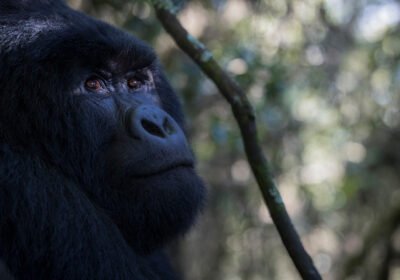
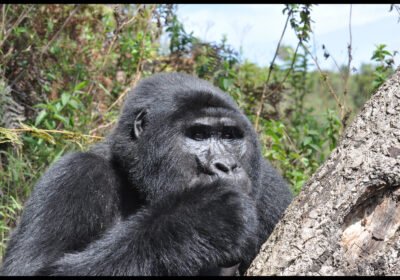
Once the gorilla family is located, the difficulty of the trek becomes worth every effort. The one hour spent observing mountain gorillas in their natural habitat is a deeply emotional experience. Many trekkers describe the encounter as life-changing, with the fatigue of the hike quickly forgotten. The gorillas’ behaviors—feeding, grooming, playing, watching their young—provide an intimate glimpse into their social dynamics and striking similarities to humans. Guides ensure safety protocols are followed, maintaining the required seven-meter distance while allowing visitors to capture remarkable photographs and enjoy the encounter in peace.
In assessing the overall difficulty of gorilla trekking in Uganda, the trek can be considered moderately challenging. It demands a combination of stamina, balance, and adaptability to rainforest conditions. However, with proper preparation, suitable footwear, hydration, and the support of porters and experienced guides, most travelers can complete the trek successfully. The difficulty should not discourage potential trekkers; instead, it adds to the authenticity and adventure of the experience.
In conclusion, while gorilla trekking presents physical challenges, the experience is accessible, manageable, and incredibly rewarding. For most travelers, the difficulty level enhances the adventure and deepens appreciation for Uganda’s pristine rainforest ecosystems. With realistic expectations, thorough preparation, and the right mindset, gorilla trekking in Uganda becomes a once-in-a-lifetime opportunity that is both achievable and unforgettable.