













How Gorilla Behavior Changes During Cold Weather Months in Bwindi’s Forest Ecosystem
Gorilla behavior in Bwindi Impenetrable National Park can vary significantly with seasonal changes, particularly during the colder months. Understanding these patterns is crucial for travelers planning uganda gorilla trekking, as it affects tracking strategies, observation opportunities, and overall gorilla trekking in Uganda experiences. Cold weather months bring subtle but noticeable shifts in gorilla movement, activity levels, and social interactions, providing a unique perspective on these endangered primates.
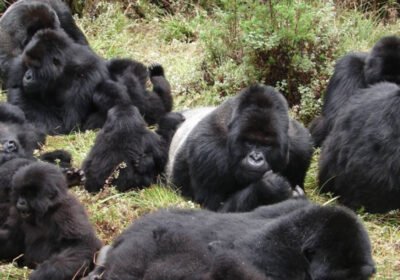
Bwindi’s cold season generally occurs during the mid-year and late-year months, coinciding with lower temperatures and occasional frost in higher-altitude sectors such as Ruhija and Nkuringo. During this time, gorillas tend to adjust their daily routines to conserve heat and energy. Early mornings and late evenings are often spent in tighter resting clusters, with silverbacks and females huddling together for warmth. For trekkers, this behavior offers the opportunity to observe intimate social interactions within the group, highlighting family bonds and protective behaviors that may be less noticeable during warmer months. This makes gorilla trekking in Uganda in the cold season particularly rewarding for wildlife enthusiasts and photographers seeking unique behavioral insights.
Feeding patterns also shift during colder months. Gorillas may spend more time consuming fibrous vegetation and high-calorie leaves to maintain energy reserves. This increased feeding activity occurs in more open or sunlit areas where warmth is available, giving trekkers better visibility and easier photography opportunities. Understanding these behavioral adaptations enhances the uganda gorilla trekking experience, allowing visitors to anticipate gorilla movements and locate families with greater efficiency.
Movement across the forest floor can also be influenced by temperature. During cold mornings, gorillas may move more slowly or remain in sheltered areas, such as dense bamboo thickets or valleys protected from wind. Trekking guides and trackers use this knowledge to adjust routes and predict gorilla locations, ensuring that visitors can maximize their observation time during gorilla trekking in Uganda. While cold weather can reduce overall activity, it simultaneously provides more predictable encounters with gorilla families, as trackers anticipate favored resting and feeding sites.
Gorilla play behavior is affected as well. Infants and juveniles may be less active in extremely cold conditions, spending more time close to their mothers or in sheltered areas. However, once the temperature rises slightly during mid-morning, playful activity resumes, often in sunlit forest clearings. This fluctuation offers dynamic opportunities for observing and photographing gorillas during uganda gorilla trekking, capturing both calm and playful moments in the same encounter.
Cold weather months also influence interactions within gorilla groups. Huddling behavior strengthens social cohesion and reinforces hierarchical structures. Dominant silverbacks are more likely to remain stationary to conserve energy, while subordinates and juveniles adapt their positions accordingly. These subtle behavioral cues provide trekkers with insights into gorilla social organization, a dimension of wildlife observation that is particularly compelling during gorilla trekking in Uganda.
Preparation for cold weather treks is essential. Trekkers must dress appropriately in layers, with moisture-wicking base layers, insulating mid-layers, and waterproof outer layers to manage rain or frost. Gloves, hats, and sturdy boots are necessary for warmth and safe navigation of slippery trails. Proper preparation enhances comfort and allows trekkers to focus on gorilla behavior rather than environmental challenges, ensuring a rewarding uganda gorilla trekking experience even in colder months.
Finally, the park’s elevation and microclimates affect cold season trekking. Higher-altitude sectors such as Ruhija may experience lower temperatures than lower sectors like Buhoma. Trekkers should consider these variations when planning routes, packing gear, and scheduling treks to maximize both comfort and the likelihood of successful gorilla encounters. Understanding seasonal behavioral changes ensures that visitors can tailor their approach to each gorilla trekking in Uganda adventure, enhancing both observation quality and safety.
In conclusion, gorilla behavior in Bwindi’s forest ecosystem is noticeably influenced by cold weather months, affecting movement, feeding, play, and social interactions. Trekkers who understand these adaptations gain unique opportunities to observe intimate, energy-conserving behaviors and seasonal variations within gorilla families. Dressing appropriately, following guide recommendations, and timing treks carefully allow visitors to maximize their uganda gorilla trekking experience, capturing the richness of mountain gorilla life across changing seasonal conditions.