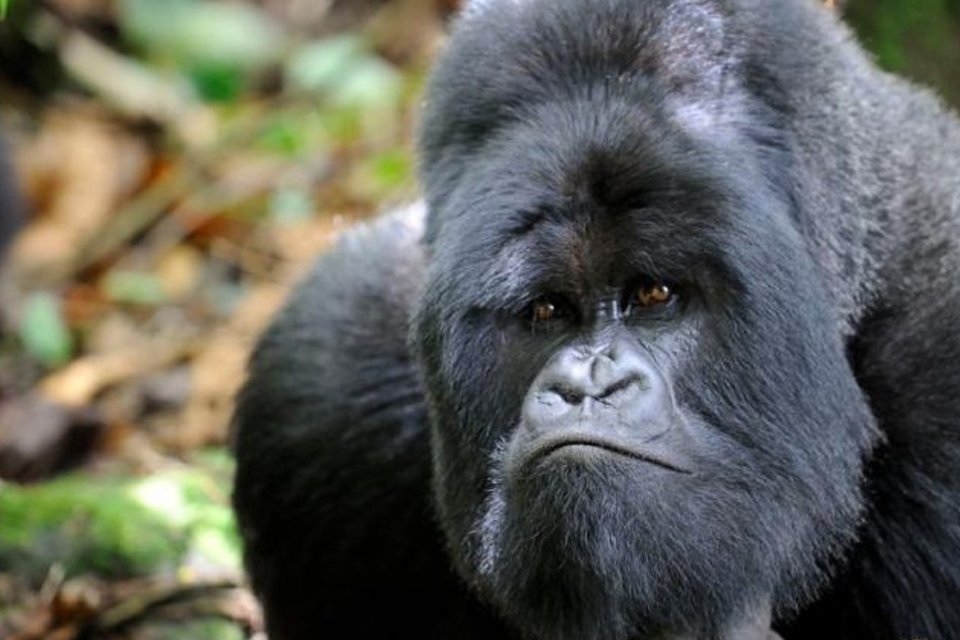
One of the most remarkable and often overlooked pillars supporting uganda gorilla safaris, rwanda gorilla safaris, and the broader system of gorilla trekking tourism is the work of the Gorilla Doctors. This specialized veterinary team is the only group in the world dedicated exclusively to providing medical care to wild mountain gorillas. Their work spans Uganda, Rwanda, and the Democratic Republic of Congo, ensuring the health, safety, and continued growth of gorilla populations across the Virunga Massif and Bwindi Impenetrable Forest. Without Gorilla Doctors, the success of gorilla safaris and the remarkable rebound of mountain gorilla populations would be impossible.
Because mountain gorillas share such close genetic similarity with humans—over 98%—they are vulnerable to many of the same diseases we suffer from, including respiratory infections, gastrointestinal illnesses, and viral pathogens. This sensitivity makes medical monitoring essential. When travelers participate in gorilla trekking, they often witness habituated gorilla families at close range, but what they do not see is the constant behind-the-scenes medical surveillance ensuring these encounters remain safe. Gorilla Doctors monitor each habituated gorilla at least once every month and more frequently if rangers observe signs of illness or injury.
Their work begins with extensive daily reporting from trackers and rangers who follow gorilla families year-round. Because these teams are in the forest every day, they notice early signs of health problems—such as lethargy, coughing, limping, loss of appetite, or wounds. When any concerning symptoms appear, Gorilla Doctors conduct field assessments to determine whether medical intervention is needed. Their guiding principle is simple but profound: “Saving one gorilla at a time.” This philosophy reflects the urgency of protecting each individual in a species with such a limited population.
Medical interventions take many forms. Sometimes, a gorilla requires treatment for injuries caused by wire snares, one of the lingering threats from poaching activity aimed at other species. In such cases, Gorilla Doctors carefully anesthetize the injured gorilla in the presence of its family, remove the snare, clean the wound, and administer antibiotics. These procedures require exceptional skill, given the challenging forest terrain and the need to ensure the silverback and other family members remain calm. The success of these interventions has saved dozens of gorillas who would otherwise have lost limbs or died from infection.
Respiratory infections are another major concern, particularly in regions where gorilla safaris take place. Because humans can transmit common illnesses to gorillas, Gorilla Doctors work closely with park authorities to enforce strict health protocols for trekking. Rangers ensure that trekkers maintain distance, use masks when necessary, and do not trek if feeling unwell. But even with precautions, gorillas can still become sick. In such cases, Gorilla Doctors administer anti-inflammatory medications, antibiotics, and supportive care to prevent outbreaks that could spread through an entire family. This work is essential because gorillas live in tight social groups where illness moves quickly.
One of the most remarkable aspects of Gorilla Doctors’ work is the seamless collaboration with conservation authorities. Uganda Wildlife Authority (UWA) and Rwanda Development Board (RDB) support medical interventions by providing field escorts, tracking assistance, and secure environments for veterinary procedures. This partnership ensures that gorilla health is prioritized alongside tourism and conservation goals. Travelers who join uganda gorilla safaris or rwanda gorilla safaris benefit indirectly from this cooperation, as it ensures gorilla populations remain strong and stable for future generations.
Moreover, veterinary specialists conduct necropsies when gorillas die to determine causes of mortality and identify emerging threats. This scientific work helps conservationists understand disease patterns, nutrition deficiencies, or environmental pressures affecting gorilla health. The data collected informs policy decisions, habitat protection strategies, and visitor regulations, all of which help keep gorilla trekking ethical and sustainable. Every scientific insight improves the protection systems behind gorilla safaris.
Gorilla Doctors also play a critical role in the Gorilla Habituation Process, especially in Uganda. During habituation, gorillas gradually become accustomed to human observers, but this period carries stress risks that require close medical monitoring. Veterinary teams assess whether the gorillas are adapting safely and intervene if signs of prolonged stress or illness appear. This ensures that only healthy, behaviorally stable gorilla families are opened for gorilla trekking tourism.
Funding for Gorilla Doctors comes from a combination of tourism revenue, donations, and conservation grants. The success of uganda gorilla safaris and rwanda gorilla safaris directly contributes to their financial stability, demonstrating how tourism can be a powerful force for conservation. Each gorilla permit purchased indirectly supports the medical monitoring and emergency care that keep gorilla populations thriving.
In addition to their hands-on fieldwork, Gorilla Doctors contribute significantly to community conservation. They educate local communities about disease prevention, promote sanitation near gorilla habitats, and train rangers in health observation techniques. This collaborative approach reduces human–gorilla conflict and helps mitigate disease risks. Community health initiatives also strengthen positive attitudes toward gorilla conservation, ensuring long-term support for gorilla tourism.
Their impact is visible in the rising gorilla population numbers. Over the last decade, mountain gorillas have shifted from “critically endangered” to “endangered”—one of the only great ape species showing population growth. This improvement is a direct result of intensive monitoring, veterinary care, habitat protection, and controlled tourism. Every traveler participating in gorilla safaris plays a part in sustaining this progress.
Gorilla Doctors stand at the heart of gorilla conservation. Their work bridges science, veterinary medicine, community engagement, and ecotourism. They protect each individual gorilla, ensuring that visitors who embark on gorilla trekking witness healthy, thriving families and contribute to a conservation story unlike any other on Earth. The continued success of uganda gorilla safaris and rwanda gorilla safaris depends on their unwavering dedication, making them true heroes of Africa’s mountain forests.