







How Habitat Shapes the Gorilla Experience
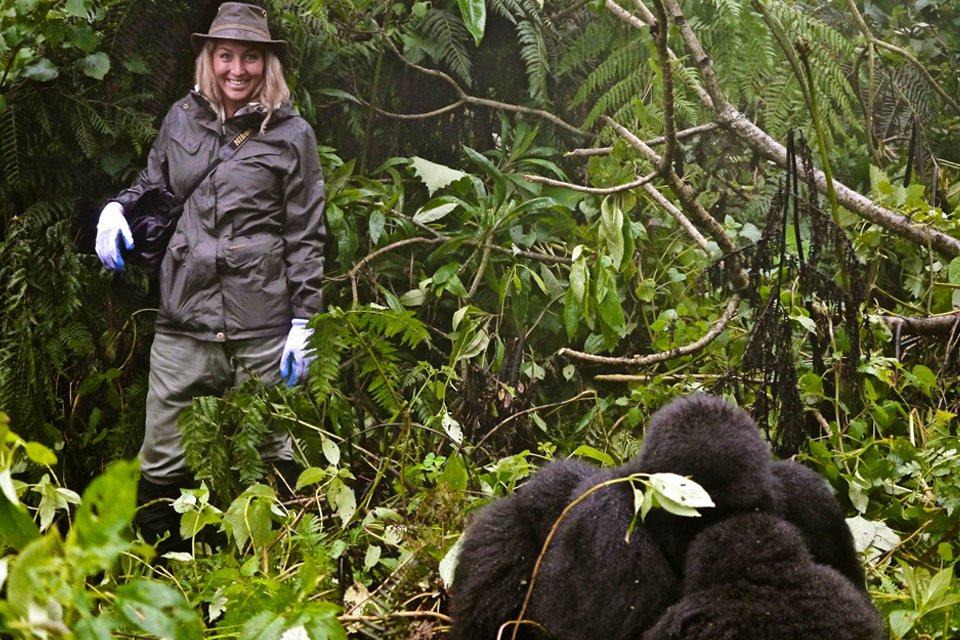
Volcanoes National Park is defined by its distinctive bamboo forest ecosystem, a habitat that plays a central role in shaping how mountain gorillas feed, move, and interact. This environment contrasts strongly with the dense rainforest conditions experienced during gorilla trekking in Uganda, particularly in Bwindi Impenetrable Forest. By understanding how bamboo forests influence gorilla behavior, trekkers gain deeper insight into why Rwanda’s encounters often feel more open, calmer, and visually rewarding.
Abundant Bamboo and Predictable Gorilla Movements
To begin with, bamboo forests provide an abundant and highly seasonal food source. Bamboo shoots are among the gorillas’ preferred foods, especially during peak growth periods. When bamboo is in season, gorilla families are often found remaining within mid-elevation zones where this resource thrives. As a result, their movements become more predictable, and tracking is made easier for ranger teams.
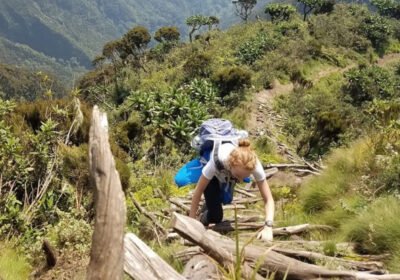
In contrast, during gorilla trekking in Uganda, families must range more widely through dense rainforest to access fruits, vines, and leaves scattered across broad areas. Consequently, treks in Bwindi can be longer and less predictable.
Feeding Behavior in Open Forest Clearings
Equally important, the bamboo ecosystem directly influences feeding behavior. In Rwanda, gorillas often feed calmly for extended periods in relatively open clearings. Bamboo stalks are pulled, stripped, and chewed in full view, allowing trekkers to observe feeding behavior with exceptional clarity.
By comparison, in Bwindi’s thick vegetation, feeding is frequently done behind heavy foliage or in shaded undergrowth. As a result, visibility is reduced, and photographic opportunities can be more challenging.
Slower Movement and Extended Viewing Time
Another key difference lies in movement patterns. Because food sources in bamboo forests are concentrated, gorillas do not need to travel far. Families in Rwanda may remain within the same feeding zone for long periods, which allows trekkers to enjoy longer and more stable encounters.
Meanwhile, during gorilla trekking in Uganda, families often move through rugged and enclosed terrain. Trekkers must adjust frequently as gorillas travel in search of dispersed food sources.
Social Interaction and Play in Open Spaces
Moreover, the open structure of bamboo forests enhances social behavior. With fewer visual barriers, juveniles play more freely, adults groom more visibly, and silverbacks can easily monitor their groups. Behaviors such as mock fighting, vine swinging, chest-beating, and somersaults are often seen clearly in Rwanda.
These interactions are not absent in Uganda; however, they are more frequently obscured by dense vegetation. Therefore, Rwanda’s bamboo habitat offers a clearer window into gorilla family life.
Silverback Vigilance and Group Calm
The bamboo ecosystem also affects silverback behavior. In open habitats, dominant silverbacks can scan their surroundings effectively. This visibility reduces stress and contributes to a more relaxed group dynamic. In contrast, dense rainforest environments require more cautious movement, as visibility is limited and terrain is unpredictable.
Climate, Nesting, and Seasonal Movement
In addition, bamboo forests sit at cool, misty mid-altitudes where temperatures remain moderate. Gorillas are often seen feeding or resting comfortably in fog-lit clearings, particularly in the morning. Nesting behavior is also influenced by bamboo availability, as soft and flexible vegetation is used to build visible nest sites.
Although seasonal bamboo scarcity may cause gorillas to shift altitude, these movements are well understood through long-term research. As a result, tracking remains highly efficient.
Conclusion: Why Rwanda Feels Different
In conclusion, Rwanda’s bamboo forest habitat shapes gorilla behavior through abundant food, predictable movements, open feeding zones, visible social interactions, and calm group dynamics. While gorilla trekking in Uganda offers rich rainforest complexity, Rwanda provides a uniquely serene, photographic, and accessible gorilla viewing experience—one that many travelers find both distinctive and deeply rewarding.