












How Local Communities Around Bwindi Benefit Directly From Gorilla Trekking Tourism Revenue?
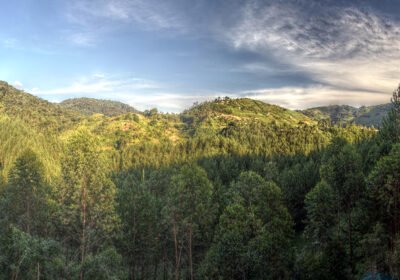
Local communities around Bwindi Impenetrable National Park are among the greatest beneficiaries of tourism revenue generated through uganda gorilla trekking. The economic, social, and environmental impacts of gorilla tourism extend far beyond park boundaries, touching the lives of families, schools, conservation groups, and community-led enterprises. Understanding how this revenue benefits the people living around Bwindi gives visitors a fuller appreciation of the positive impact of gorilla trekking in Uganda.
One of the biggest benefits comes from revenue sharing programs established by the Uganda Wildlife Authority. A portion of every gorilla trekking permit is allocated to local communities. These funds support development projects such as schools, roads, water supply systems, and health centers. As gorilla trekking permits remain one of the most significant revenue generators in Uganda’s tourism industry, the direct financial flow to communities has allowed many villages to experience rising living standards.
Another major benefit is employment. Lodges, tour companies, conservation bases, ranger stations, and community camps all employ local residents. Jobs range from guides, porters, trackers, waitstaff, housekeepers, managers, and cultural performers. Porters, in particular, play a crucial role during gorilla trekking, helping visitors carry bags and navigate challenging terrain. Their income provides essential support for their families and encourages continued community involvement in conservation.
Community-based tourism enterprises also flourish because of the steady stream of visitors. Batwa cultural tours, handicraft shops, traditional dance groups, coffee experiences, and guided village walks generate income for local artisans and elders. These activities not only preserve cultural heritage but also provide alternative livelihoods that reduce pressure on forest resources.
Conservation benefits are significant as well. Communities living alongside Bwindi once depended heavily on forest resources, but today many recognize that protecting mountain gorillas yields long-term economic advantages. Tourism revenue incentivizes communities to participate in conservation activities such as anti-poaching patrols, sustainable farming projects, tree planting, and forest restoration. With this financial motivation, local people have become protectors of the very wildlife that brings visitors to the region.
Education is another key outcome. Tourism-funded scholarships help children attend school, reducing dropout rates and improving literacy among families living near Bwindi. Some lodges also sponsor students who excel academically, creating opportunities for future conservationists and tourism professionals.
Healthcare has improved as well. Funding from tourism supports clinics that treat malaria, respiratory diseases, maternal health challenges, and malnutrition. Some lodges run medical outreach programs or partner with NGOs to support women’s groups and vulnerable households.
Ultimately, uganda gorilla trekking creates a sustainable relationship between people, wildlife, and tourism. The more visitors engage with gorilla trekking, the more communities benefit. This positive cycle strengthens conservation efforts and ensures that tourists continue enjoying unforgettable gorilla trekking in Uganda experiences for generations to come.