












How Rwanda Ensures Ethical and Safe Mountain Gorilla Encounters for Tourists
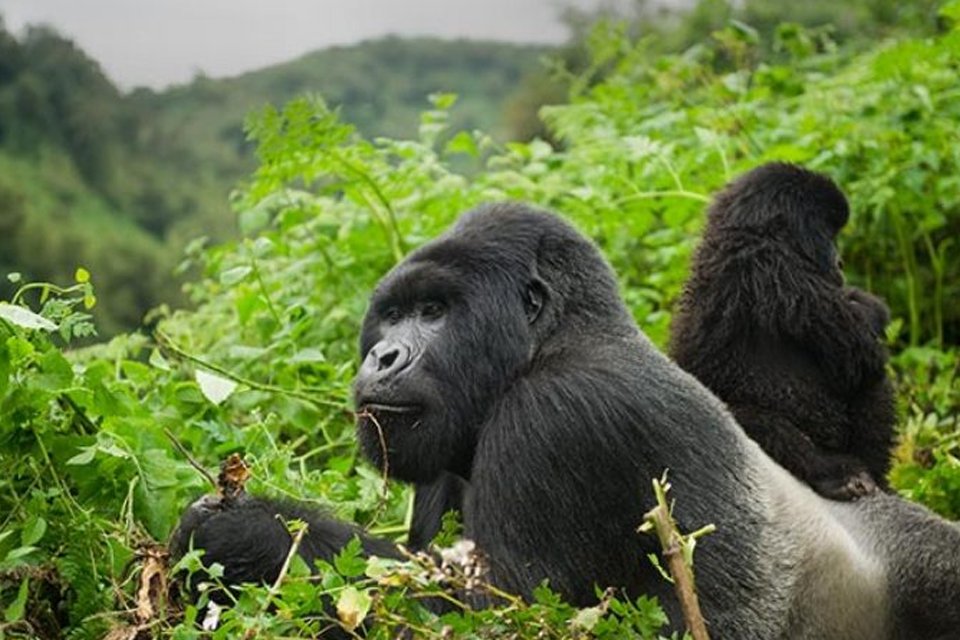
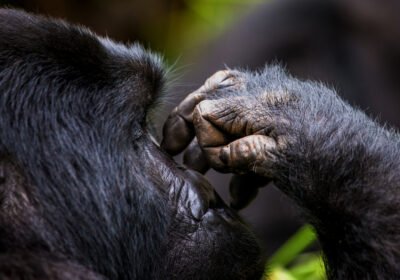
Rwanda has become a global model for ethical and safe mountain gorilla encounters, setting a standard that many wildlife destinations strive to follow. While gorilla trekking in Uganda also implements strict safety and conservation protocols, Rwanda’s centralized management system, rigorous ranger training, scientific oversight, and unwavering commitment to conservation create an exceptionally secure and responsible trekking environment. Every aspect of the trekking process—from preparation to visitor behavior—is designed to protect the gorillas as much as the tourists, ensuring a sustainable and respectful wildlife experience.
One of the most important elements of Rwanda’s approach is the strict limit on visitor numbers. Only eight tourists are allowed to visit each gorilla family per day, ensuring that the animals are not overwhelmed by human presence. This rule is enforced without exception. The Rwanda Development Board (RDB) monitors permits, trekking groups, and visitor flow to maintain ecological balance. While similar limits apply during gorilla trekking in Uganda, Rwanda’s smaller park size and daily monitoring make adherence even more consistent.
Another key factor is the mandatory pre-trek briefing at the Kinigi headquarters. Before every trek, rangers educate visitors on safety protocols, ethical behavior, and conservation principles. These guidelines include maintaining a minimum distance of 7 meters from the gorillas, avoiding direct eye contact with dominant silverbacks, speaking softly, and refraining from sudden movements. These briefings allow visitors to understand gorilla behavior, ensuring encounters remain calm and controlled.
Rwanda also prioritizes disease prevention, recognizing that mountain gorillas share over 98% of their DNA with humans and are extremely vulnerable to respiratory infections. Visitors who show flu-like symptoms are not permitted to trek. Masks are now widely used as an added layer of protection, especially after global health shifts in recent years. Rangers, trackers, and porters follow strict hygiene protocols to minimize any risk of transmission. These measures mirror those used in uganda gorilla trekking but are applied with especially high consistency in Rwanda due to its centralized oversight.
Daily monitoring by trackers further enhances safety. Trackers enter the forest before sunrise to locate each gorilla family based on their previous nesting sites. They follow fresh signs—footprints, dung, feeding remnants—to determine the gorillas’ exact location. This early tracking ensures that visitors are guided safely to the family while avoiding potential hazards such as aggressive wildlife, steep slopes, or unstable terrain. Rwanda’s bamboo forests, being more open than Uganda’s dense rainforest, also allow trackers to maintain clearer visibility and communicate more effectively.
Ranger guides play a critical role in ensuring a safe encounter. These professionals undergo extensive training in wildlife behavior, first aid, guest management, and environmental protection. Their expertise allows them to read gorilla body language and intervene early if a situation appears tense. The calm, composed demeanor of Rwanda’s rangers has a direct influence on gorilla behavior, helping maintain peaceful interactions. While Uganda’s guides are equally skilled, Rwanda’s system is more uniform due to its centralized training structure.
Ethical considerations extend to the one-hour rule: visitors are allowed exactly one hour in the presence of the gorilla family. This minimizes stress on the animals and ensures they maintain natural behaviors. Scientists have confirmed that excessive exposure to humans can alter feeding patterns, disrupt social dynamics, or increase the risk of disease transmission. Rwanda’s strict adherence to the time limit reinforces its commitment to ethical wildlife viewing.
Another crucial factor is habituation research. Rwanda has decades of experience habituating gorilla families to human presence, beginning with Dian Fossey’s work in the 1960s. This long-term scientific foundation ensures that only well-habituated families are visited by tourists, guaranteeing safer and more predictable encounters. Habituation allows gorillas to remain calm and comfortable even in the presence of visitors, reducing aggression and stress.
Rwanda also employs the Gorilla Doctors, a veterinary team specializing in the medical care of mountain gorillas. They monitor the health of each individual and respond to injuries, infections, or crises. Their close collaboration with rangers ensures that any medical concerns are addressed quickly. This ongoing care contributes significantly to the safety of trekking experiences.
Lastly, Rwanda integrates community involvement into its safety model. Local communities benefit directly from gorilla tourism through employment, revenue-sharing, and conservation programs. This creates a protective environment around the park where community members actively support anti-poaching efforts. A strong relationship between communities and wildlife authorities reduces threats and enhances regional safety for both animals and tourists.
In conclusion, Rwanda ensures ethical and safe mountain gorilla encounters through strict visitor limits, disease prevention protocols, expert ranger training, daily monitoring, scientific habituation practices, veterinary support, and strong community engagement. While gorilla trekking in Uganda is also ethically managed, Rwanda’s highly coordinated system and exceptional consistency make its approach one of the most respected in the world. Travelers experience a deeply meaningful, safe, and responsible interaction with mountain gorillas, grounded in decades of conservation leadership.