














How Rwanda’s Bamboo Forest Habitat Affects Gorilla Behavior and Movement
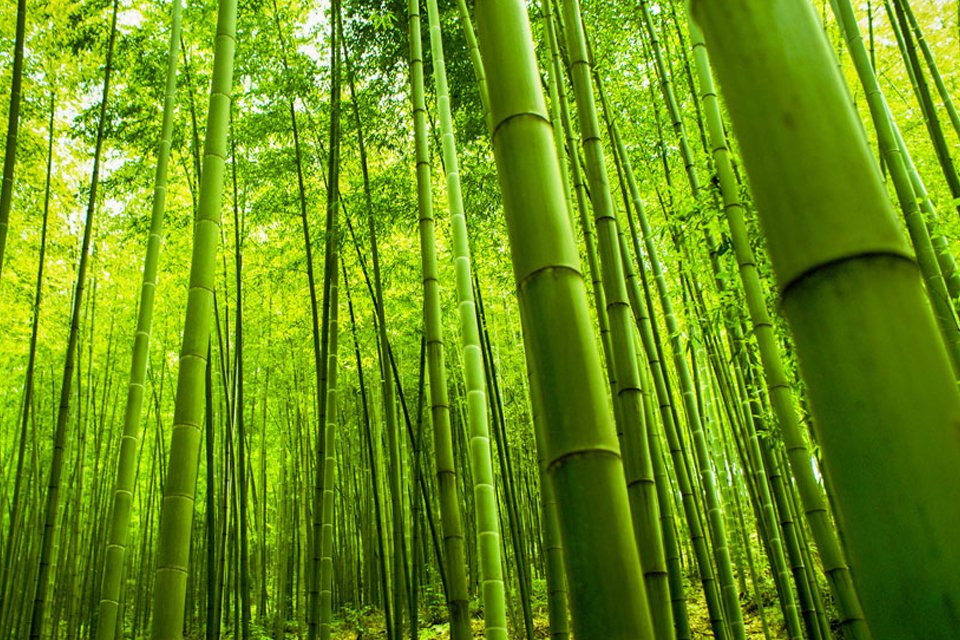
Rwanda’s Volcanoes National Park features a distinctive bamboo forest ecosystem that plays a significant role in shaping the behavior and movement patterns of its mountain gorillas. This habitat type contrasts markedly with the dense rainforest terrain found during gorilla trekking in Uganda, especially in Bwindi Impenetrable Forest, where vegetation is thicker and more enclosed. Understanding how bamboo forests influence gorilla behavior helps trekkers appreciate the uniqueness of Rwanda’s gorilla experience and explains why encounters in the country often feel clearer, calmer, and more photographic.
One of the defining characteristics of bamboo forests is abundant seasonal food availability. Bamboo shoots are among the gorillas’ favorite foods, especially during peak growing months. When bamboo is in season, gorilla families tend to remain at mid-elevation zones where bamboo thrives. This concentration of food leads to more predictable gorilla movements and easier tracking by ranger teams. In contrast, gorilla trekking in Uganda involves following families through dense, varied vegetation, where food sources like fruits, vines, and leaves are scattered over wider areas.
The abundance of bamboo also influences feeding behavior. In these forests, gorillas often feed calmly for long periods in relatively open clearings. This provides exceptional visibility for tourists, who can observe gorillas pulling, stripping, and chewing bamboo shoots in relaxed family groups. In Bwindi’s dense forest, gorillas may often feed behind thick foliage or in shadowed areas, making it harder to observe and photograph their feeding behavior.
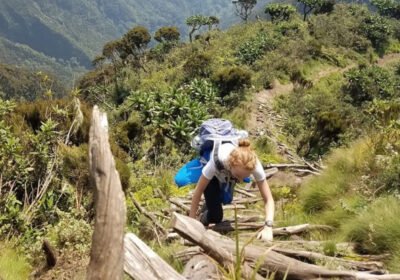
Movement patterns in bamboo forests tend to be slower and more deliberate. Because food sources are concentrated, gorillas do not travel long distances searching for meals. Families in Rwanda may remain in a single feeding zone for extended periods, allowing trekkers to enjoy longer and more stable viewing. This differs from some gorilla trekking in Uganda encounters, where families move quickly through rugged terrain, requiring trekkers to adjust frequently.
Bamboo’s open structure also enhances gorilla social interactions. Families have more space to spread out, making it easier for juveniles to play, adults to groom, and silverbacks to monitor their surroundings. Play behavior—such as somersaults, mock fights, vine swinging, and chest-beating—is often more visible in Rwanda because there are fewer visual obstructions. Tourists frequently capture exceptional photographs of young gorillas interacting energetically in open bamboo glades.
Another behavioral impact is related to silverback vigilance. The open bamboo habitat allows dominant silverbacks to scan the environment more effectively. This reduces stress and creates a more composed family dynamic. In the dense forests encountered during gorilla trekking in Uganda, silverbacks may move more cautiously through enclosed spaces, where visibility is limited and terrain can be unpredictable.
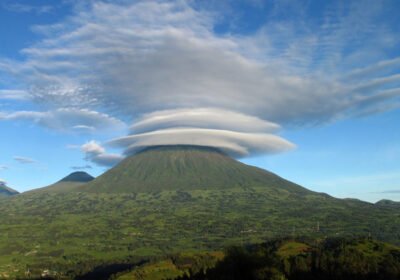
Climate also influences behavior. Bamboo forests sit at cooler, mist-covered mid-altitudes where temperatures remain moderate throughout the day. Gorillas enjoy feeding and resting in these zones, especially in the morning when mist creates comfortable conditions. Trekkers benefit from observing gorillas in fog-lit clearings—a signature feature of Rwanda’s landscape. Uganda’s rainforest, while lush and beautiful, has higher humidity levels that can influence gorilla activity differently.
Bamboo forest structure also affects nesting behavior. Gorillas in Rwanda often build nests in open areas where vegetation is soft, flexible, and abundant. Families typically nest close together, giving trekkers and researchers clearer insights into group bonding. Trackers rely heavily on nest sites to locate gorilla families each morning. Because bamboo forests are more open, nests tend to be easier to spot compared to the deeply concealed nests in Bwindi.
Furthermore, bamboo growth cycles influence seasonal movement. During bamboo scarcity, gorillas shift to higher or lower altitudes in search of alternative plants. These movements remain predictable due to long-term research, helping Rwanda’s tracking teams pinpoint likely locations each day.
In conclusion, Rwanda’s bamboo forest habitat significantly shapes gorilla behavior by providing abundant food, predictable movement patterns, open feeding zones, clear visibility, and calm social interactions. While gorilla trekking in Uganda offers its own rich rainforest dynamics, Rwanda’s bamboo ecosystem creates a uniquely open, photographic, and serene gorilla viewing experience that many travelers find exceptional.